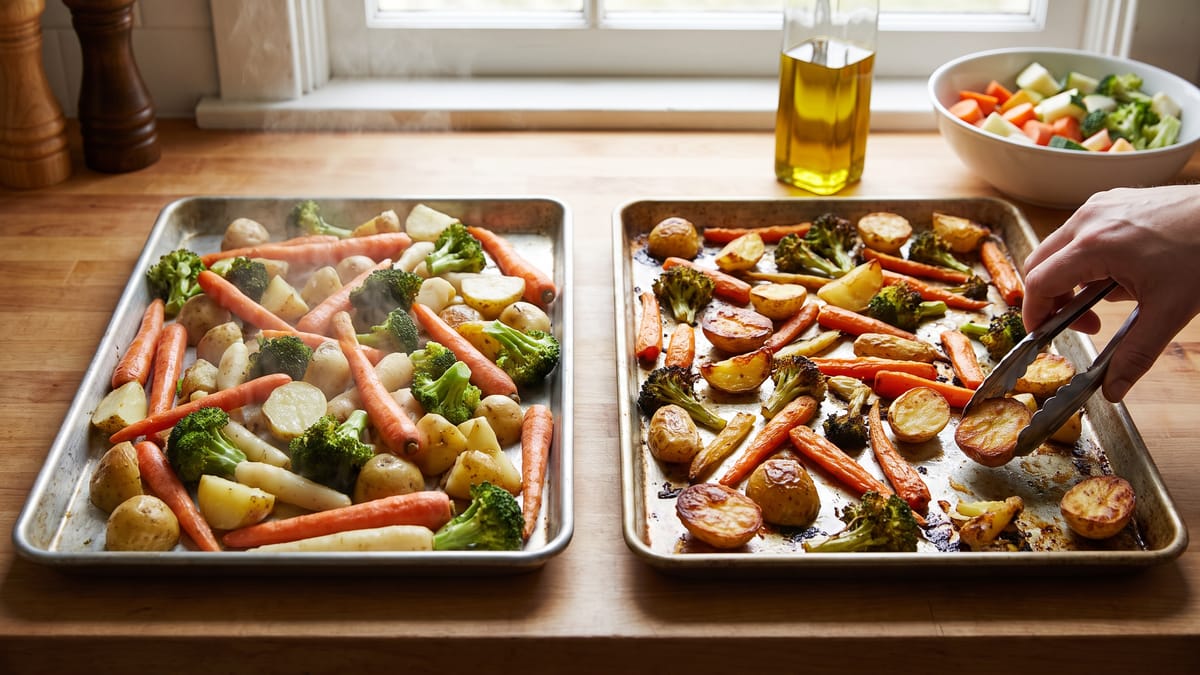
Why Your Roasted Vegetables Get Soggy—and How to Make Them Golden Instead
We've all been there, standing triumphantly over a sheet pan, anticipating a glorious medley of caramelized, tender-crisp roasted vegetables, only to be met with a disappointing, limp, and watery mess. It’s a culinary conundrum that plagues countless home cooks, transforming vibrant produce into a sad, soggy shadow of its potential. This disheartening outcome can leave us scratching our heads, wondering where we went wrong. Was it the oven temperature, the cutting technique, or perhaps some elusive secret ingredient we missed? Fear not, fellow food enthusiasts, for we are about to embark on a comprehensive journey to demystify the art of roasting vegetables. We'll uncover the common culprits behind that unwelcome sogginess and, more importantly, equip you with the knowledge and techniques to consistently achieve that coveted golden-brown perfection, replete with crispy edges and a melt-in-your-mouth interior. Say goodbye to flaccid florets and weary root vegetables, and prepare to elevate your roasting game to an entirely new level.
The Science of Sogginess: Why Your Veggies are Weeping
Before we can conquer the enemy, we must understand it. The primary antagonist in our quest for crispy roasted vegetables is moisture. Vegetables, by their very nature, are brimming with water. When subjected to heat, this internal moisture begins to evaporate. The goal of roasting is to facilitate this evaporation efficiently, allowing the natural sugars to caramelize and the exterior to crisp up. However, several factors can impede this crucial process, trapping moisture and leading to that dreaded soggy texture.
Imagine a crowded sauna. If there are too many people, the air becomes thick with humidity, making it difficult for sweat to evaporate. Similarly, if our vegetables are too packed on the baking sheet, the steam they release has nowhere to go. It recirculates, essentially steaming the vegetables instead of roasting them. This creates a humid microclimate around each piece, preventing the exterior from drying out and browning. Furthermore, certain vegetables naturally contain more water than others, making them more susceptible to sogginess if not handled correctly. Zucchini, mushrooms, and bell peppers are prime examples of moisture-rich contenders that require a little extra finesse. Understanding these fundamental principles is the first step towards achieving roasting nirvana.
The Fatal Flaw: Overcrowding the Pan
This is perhaps the most common and easily remedied mistake. We've all been guilty of it, trying to squeeze just one more carrot stick or broccoli floret onto the baking sheet, convinced that our oven can handle the volume. Alas, the oven, like a vigilant bouncer, enforces strict capacity limits. When you overcrowd the pan, you effectively create a steam bath. The vegetables release their internal moisture, and with no room for that steam to escape, it condenses back onto the surface of the vegetables. This steaming action prevents the dry heat from reaching the surfaces, thus inhibiting browning and crisping.
Think of it like this, each piece of vegetable needs its own personal space, its own little island of heat, to truly flourish. There should be ample breathing room between each piece, allowing for proper air circulation and unimpeded moisture evaporation. A good rule of thumb is to ensure that no two pieces of vegetable are touching. If your recipe calls for a substantial amount of vegetables, embrace the wisdom of using multiple baking sheets. It might seem like an extra step, but the payoff in terms of texture and flavor is immeasurable. Divide and conquer, and your vegetables will thank you with a glorious golden hue.
The Pre-Roast Prep: A Foundation for Success
The journey to perfectly roasted vegetables begins long before they even touch the heat. Proper preparation is paramount, laying the groundwork for optimal texture and flavor. This involves a few critical steps, each playing a vital role in moisture management and consistent cooking.
First and foremost, washing and drying. While it might seem obvious to wash your vegetables, the drying part is often overlooked or rushed. Any residual water on the surface of the vegetables will contribute to steaming rather than roasting. After a thorough rinse, take the time to meticulously pat every piece dry with a clean kitchen towel or paper towels. For particularly watery vegetables, like mushrooms or zucchini, you might even consider a brief air-dry on a rack after patting them down. The drier the surface, the quicker and more effectively browning can occur.
Next, consider the cutting technique. Uniformity is key. Vegetables cut into irregular sizes will cook at different rates, leading to some pieces being overcooked and mushy while others remain undercooked and firm. Aim for pieces that are roughly the same size and thickness. This ensures even heat distribution and consistent doneness across the entire batch. Furthermore, the size of the cut influences the surface area exposed to the heat. Smaller pieces generally have more surface area relative to their volume, allowing for quicker evaporation and browning. However, don't go too small, or they might burn before the interior is tender. A balance is essential. For denser vegetables like potatoes or carrots, consider cutting them into half-inch to one-inch cubes or wedges. For florets like broccoli or cauliflower, aim for bite-sized pieces.
The Right Amount of Fat: A Golden Touch
Fat is not just for flavor, it's a crucial component in achieving that coveted golden-brown crust. It acts as a heat conductor, helping to transfer the oven's radiant heat efficiently to the surface of the vegetables. It also aids in preventing sticking and, perhaps most importantly, contributes to the Maillard reaction, the chemical process responsible for browning and developing complex, savory flavors.
However, there's a delicate balance to strike. Too little fat, and your vegetables will stick to the pan and struggle to brown evenly. Too much fat, and they'll become greasy and might even deep-fry rather than roast, leading to a different kind of undesirable texture. The goal is to lightly coat each piece of vegetable, just enough to create a thin, even layer.
Our preferred choice for roasting is olive oil, particularly extra virgin olive oil, for its flavor profile and relatively high smoke point. Other excellent options include avocado oil, grapeseed oil, or even melted coconut oil, depending on the desired flavor. When tossing your vegetables with oil, use your hands to ensure every nook and cranny is lightly coated. A good visual cue is that the vegetables should glisten, but there shouldn't be a visible pool of oil at the bottom of the bowl. If you find yourself with excess oil, simply drain it off before spreading the vegetables onto the baking sheet.
The Power of High Heat: Unlocking Crispy Potential
Oven temperature is a non-negotiable factor when it comes to achieving crispy, golden roasted vegetables. Low oven temperatures are the arch-nemesis of browning. They allow the vegetables to slowly release their moisture, essentially steaming them in their own juices before any significant browning can occur. This results in a soft, often mushy texture.
We advocate for a high oven temperature, typically in the range of 400°F (200°C) to 425°F (220°C). This intense heat immediately begins to evaporate the surface moisture, creating a dry environment conducive to the Maillard reaction. Think of it as a quick, intense burst of heat that shocks the vegetables into releasing their moisture and developing that beautiful caramelized crust.
Preheating your oven thoroughly is also crucial. Don't simply wait for the indicator light to come on; give the oven an extra 10-15 minutes to fully reach and stabilize at the desired temperature. A cold oven will prolong the cooking time and contribute to sogginess. Some seasoned roasters even advocate for preheating the baking sheet itself in the oven before adding the vegetables. This provides an immediate burst of heat from below, jumpstarting the browning process. If you choose this method, exercise caution when handling the hot pan.
The Seasoning Strategy: When and What
Seasoning is more than just adding flavor, it can also influence the texture of your roasted vegetables. While we often instinctively salt our food at the beginning of cooking, with roasted vegetables, timing can make a difference. Salt draws out moisture. If you add a generous amount of salt at the very beginning, it can cause the vegetables to release their water prematurely, contributing to a more watery environment on the baking sheet.
For optimal crispiness, consider adding most of your salt halfway through the roasting process or even towards the end. This allows the initial high heat to focus on evaporating moisture and browning, rather than drawing out additional liquids. Of course, a little salt at the beginning is fine for flavor, but avoid heavy salting until later.
Beyond salt, the world of seasonings is your oyster. Freshly ground black pepper is a given, but don't shy away from experimenting with herbs and spices. Dried herbs like oregano, thyme, rosemary, and sage hold up well to high heat and infuse wonderful aroma and flavor. For a touch of warmth, consider paprika, cumin, or chili powder. Garlic powder and onion powder are also excellent additions. Fresh herbs, on the other hand, are best added towards the end of roasting or after the vegetables are out of the oven, as their delicate oils can burn at high temperatures. A final sprinkle of fresh parsley, cilantro, or chives can add a vibrant burst of freshness and color.
The Stirring Solution: Even Browning, No Sticking
Once your vegetables are in the oven, resist the urge to constantly peek and prod. However, a strategic stir or flip is essential for even browning and to prevent sticking. About halfway through the roasting time, take a moment to gently toss or flip your vegetables with a spatula.
This accomplishes a few important things:
- • Even Exposure: It exposes different sides of the vegetables to the direct heat of the baking sheet and the oven, promoting uniform browning on all surfaces.
- • Preventing Sticking: It helps to loosen any pieces that might be sticking to the pan, ensuring they don't burn in one spot.
- • Redistributing Oil: It helps to redistribute any rendered fat or oil, ensuring an even coating on all pieces.
The Role of Your Baking Sheet: Material Matters
Not all baking sheets are created equal, and the material of your pan can significantly impact the outcome of your roasted vegetables. Thin, flimsy baking sheets made of light-colored aluminum tend to heat unevenly and can sometimes warp at high temperatures, leading to inconsistent cooking. They might also transfer heat less efficiently, hindering proper browning.
For superior roasting results, we highly recommend investing in heavy-duty, commercial-grade baking sheets. These are typically made of thicker aluminum or aluminized steel, which conduct heat more evenly and resist warping. The heavier gauge metal retains heat better, creating a more consistent cooking environment.
Furthermore, consider the finish of your baking sheet. Darker baking sheets tend to absorb more heat and can promote faster browning. While this can be advantageous, it also means you need to monitor your vegetables more closely to prevent burning. Lighter-colored sheets offer a bit more forgiveness. Ultimately, a good quality, sturdy baking sheet is a worthwhile investment for any serious home cook, as it will serve you well for many culinary endeavors beyond just roasting vegetables. Lining your baking sheet with parchment paper is also an excellent practice. It prevents sticking, makes cleanup a breeze, and creates a slightly non-stick surface that further aids in even browning.
Troubleshooting Specific Vegetables: Tailoring Your Approach
While the general principles outlined above apply to most vegetables, some require a little extra consideration due to their unique composition.
High-Moisture Vegetables (e.g., Zucchini, Mushrooms, Bell Peppers): These are notorious for releasing a lot of water. For zucchini and bell peppers, consider salting them lightly and letting them sit for 15-20 minutes before roasting. The salt will draw out some of the excess moisture, which you can then pat dry before tossing with oil and roasting. For mushrooms, avoid washing them under running water, as they act like sponges. Instead, wipe them clean with a damp cloth or mushroom brush. You might also consider roasting them at a slightly higher temperature or for a longer initial period without stirring, to allow maximum moisture evaporation before browning.
Root Vegetables (e.g., Potatoes, Carrots, Sweet Potatoes): These are generally more forgiving but benefit greatly from uniform cutting. For a truly crispy exterior on potatoes, some chefs advocate for a brief par-boil before roasting. Boil potato chunks for 5-7 minutes, then drain thoroughly, rough up the edges by shaking them gently in the pot, and then proceed with oil and roasting. This creates a starchy, craggy surface that becomes incredibly crispy.
Cruciferous Vegetables (e.g., Broccoli, Cauliflower, Brussels Sprouts): These vegetables thrive on high heat and a good amount of surface area. Ensure florets are separated and not too large. Brussels sprouts, in particular, benefit from being cut in half lengthwise, exposing more surface area to the heat and allowing their inner layers to soften while the cut side gets beautifully caramelized. Don't be afraid to let them get a little dark; that's where the best flavor lies.
Putting It All Together: Your Recipe for Roasting Success
Achieving consistently golden, crispy roasted vegetables is not about magic, but about understanding and implementing a few key principles. It's a culinary dance between moisture management, heat control, and proper preparation.
When you next set out to roast a batch of your favorite vegetables, remember these commandments:
- • Thou Shalt Not Overcrowd: Give your vegetables space to breathe, use multiple pans if necessary.
- • Thou Shalt Dry Thy Veggies Meticulously: Excess water is the enemy of crispiness.
- • Thou Shalt Cut Uniformly: Even cooking is happy cooking.
- • Thou Shalt Use the Right Amount of Fat: A light, even coating for browning and flavor.
- • Thou Shalt Employ High Heat: 400-425°F is your friend.
- • Thou Shalt Season Wisely: Salt later for maximum crisp.
- • Thou Shalt Stir Strategically: Promote even browning and prevent sticking.
- • Thou Shalt Use a Sturdy Baking Sheet: A good foundation makes all the difference.