Why Your Onions Taste Different Depending on How You Cut Them
Introduction
Onions are the unsung heroes of the culinary world. They bring depth, flavor, and a touch of sweetness to countless dishes, from hearty stews to fresh salads. But have you ever noticed that your onions taste different depending on how you cut them? It’s not just a trick of the palate—there’s science behind it! In this blog post, we’ll explore the fascinating relationship between onion cutting techniques and flavor profiles. By the end, you’ll be equipped with practical tips to enhance your cooking skills and elevate your dishes with the humble onion.
The Science of Onion Flavor
Understanding Onion Chemistry
Onions are composed of various compounds that contribute to their flavor and aroma. When you cut an onion, you break down its cell walls, releasing enzymes and sulfur compounds that react to create that signature onion taste. Here are some key players in onion chemistry:
- • Alliinase: An enzyme that converts the amino acid alliin into sulfenic acids.
- • Propanethiol S-oxide: The compound responsible for the pungent smell and eye-watering sensation.
- • Thiosulfinate: A compound formed when sulfenic acids combine, providing the onion with its unique taste.
How Cutting Techniques Affect Flavor
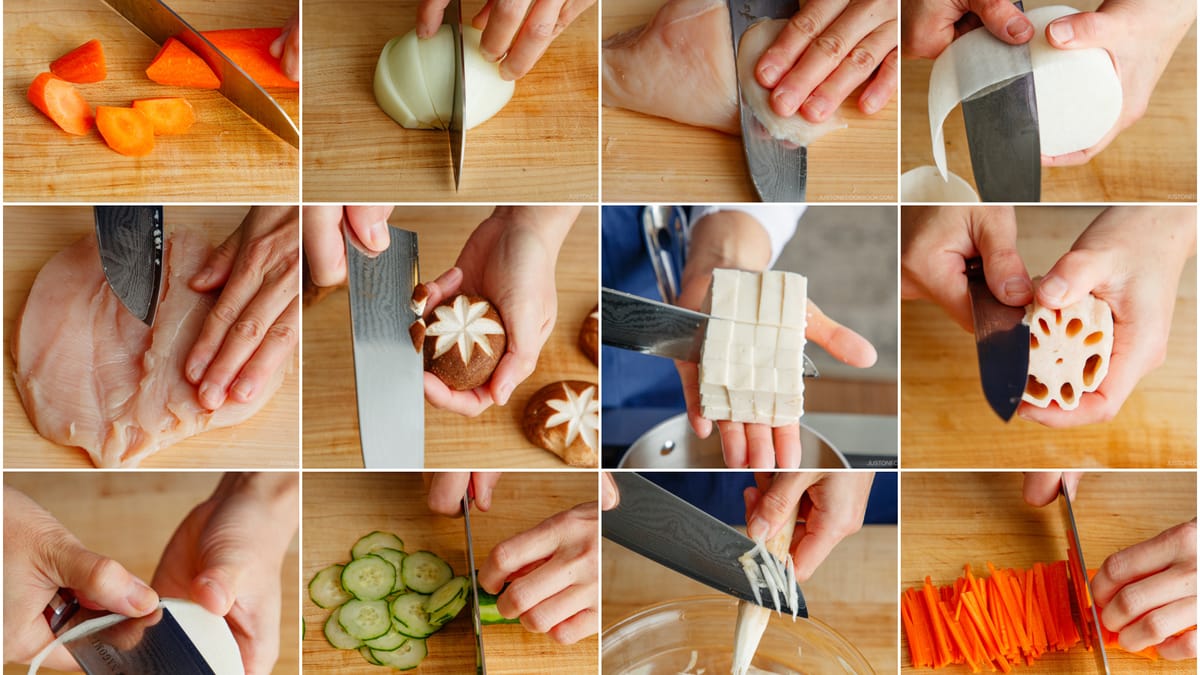
The way you cut an onion can influence its flavor profile by altering the release of these compounds. Different cutting techniques expose varying amounts of tissue to the air, leading to different flavor nuances. Let’s break down the most common cutting methods and how they affect the taste.
Common Cutting Techniques and Their Effects
1. Dicing
Description: Dicing involves cutting the onion into small, uniform cubes. This technique is often used in recipes requiring even cooking and distribution of flavor.
Flavor Profile: Diced onions tend to have a milder flavor due to the smaller surface area, which minimizes the release of strong sulfur compounds. This makes them ideal for sauces, soups, and stews where a subtle onion flavor is desired.
Tip: When dicing, make sure to use a sharp knife to minimize bruising and maximize clean cuts. This helps retain the onion’s natural sweetness.
2. Slicing
Description: Slicing involves cutting the onion into thin, flat pieces. This technique is popular for stir-fries, salads, and sandwiches.
Flavor Profile: Sliced onions can have a stronger flavor compared to diced ones because they release more of the sulfur compounds. The surface area is larger, allowing for more contact with air. This is great for dishes where a bold onion flavor is welcome.
Tip: For sweeter slices, try soaking the sliced onions in cold water for about 10 minutes before adding them to your dish. This helps to mellow the flavor.
3. Chopping
Description: Chopping is a rough method where the onion is cut into irregular pieces. This technique is often used for salsas or robust dishes.
Flavor Profile: Chopped onions tend to have an intense flavor because the jagged cuts increase the release of enzymes and sulfur compounds. This can add a punch to your dishes but may be overwhelming for some palates.
Tip: If you prefer a milder flavor, let the chopped onions sit for a few minutes before cooking. This allows some of the strong compounds to dissipate.
4. Mincing
Description: Mincing is the process of cutting the onion into tiny pieces. This technique is commonly used in dressings, marinades, and finely flavored dishes.
Flavor Profile: Minced onions have the strongest flavor due to the maximum surface area exposed. This technique releases a lot of the sulfur compounds, providing a robust onion taste.
Tip: When mincing, try using a rocking motion with your knife to create a fine texture while keeping control of the onion pieces.
The Importance of Onion Variety
Common Types of Onions
The type of onion you choose can also affect the taste, regardless of how you cut it. Here’s a quick reference table to help you understand the differences:
| Onion Type | Flavor Profile | Best Use Cases |
|---|---|---|
| Yellow Onion | Pungent and sweet | Soups, stews, and caramelizing |
| White Onion | Sharp and crisp | Salads, salsas, and fresh dishes |
| Red Onion | Mild and slightly sweet | Raw applications, salads, and pickling |
| Sweet Onion | Very mild and sweet | Grilling, roasting, and raw dishes |
| Green Onion | Mild and fresh | Garnishes, salads, and soups |
Tips for Enhancing Onion Flavor
1. Choose Fresh Onions
Always opt for fresh onions; they have a more vibrant flavor. Look for firm onions with dry, papery skins and no signs of sprouting or decay.
2. Store Properly
Store onions in a cool, dry place, away from direct sunlight. Avoid storing them in plastic bags, as this can trap moisture and lead to spoilage.
3. Experiment with Cooking Methods
Different cooking methods can also enhance or mellow onion flavors. Here are some techniques to try:
- • Sautéing: Quickly cooks onions and releases their sugars, enhancing sweetness.
- • Caramelizing: Slow-cooking onions until they turn deep brown brings out their natural sugars for a sweet flavor.
- • Roasting: Roasting onions caramelizes them, creating a rich, complex flavor.
4. Pair with Complementary Ingredients
Onions can be paired with various ingredients to enhance their flavor. Here are some great combinations:
- • Acid: Adding vinegar or citrus juice can balance the sweetness of onions.
- • Herbs and Spices: Thyme, rosemary, and bay leaves complement onion flavors beautifully.
- • Fat: Cooking onions in butter or olive oil can enhance their richness.
The Art of Onion Cutting
Knife Skills
Improving your knife skills is essential for mastering onion cutting. Here are some techniques to practice:
- • The Claw Grip: Use your non-dominant hand to hold the onion, curling your fingers inward to protect them while cutting.
- • Rocking Motion: When mincing, keep the tip of your knife on the cutting board and use a rocking motion to chop evenly.
Safety First
Always prioritize safety while cutting onions. Here are some safety tips:
- • Keep Your Knife Sharp: A sharp knife reduces the risk of slips and injuries.
- • Stabilize the Onion: Cut a small slice off the bottom of the onion to create a flat surface, preventing it from rolling while you cut.
- • Mind the Tears: To reduce tears while cutting onions, try chilling the onion in the fridge beforehand or cutting it under running water.
Conclusion
Understanding how cutting techniques influence the flavor of onions can transform your cooking. Whether you prefer the mildness of diced onions or the boldness of minced ones, knowing the science behind the onion can help you make better culinary decisions. Remember to experiment with different varieties, cutting methods, and cooking techniques to discover what works best for your palate.
So, the next time you reach for that onion, consider how you’re cutting it and the flavors you want to bring out. Happy cooking!