Why You Should Stop Boiling Your Potatoes This Way
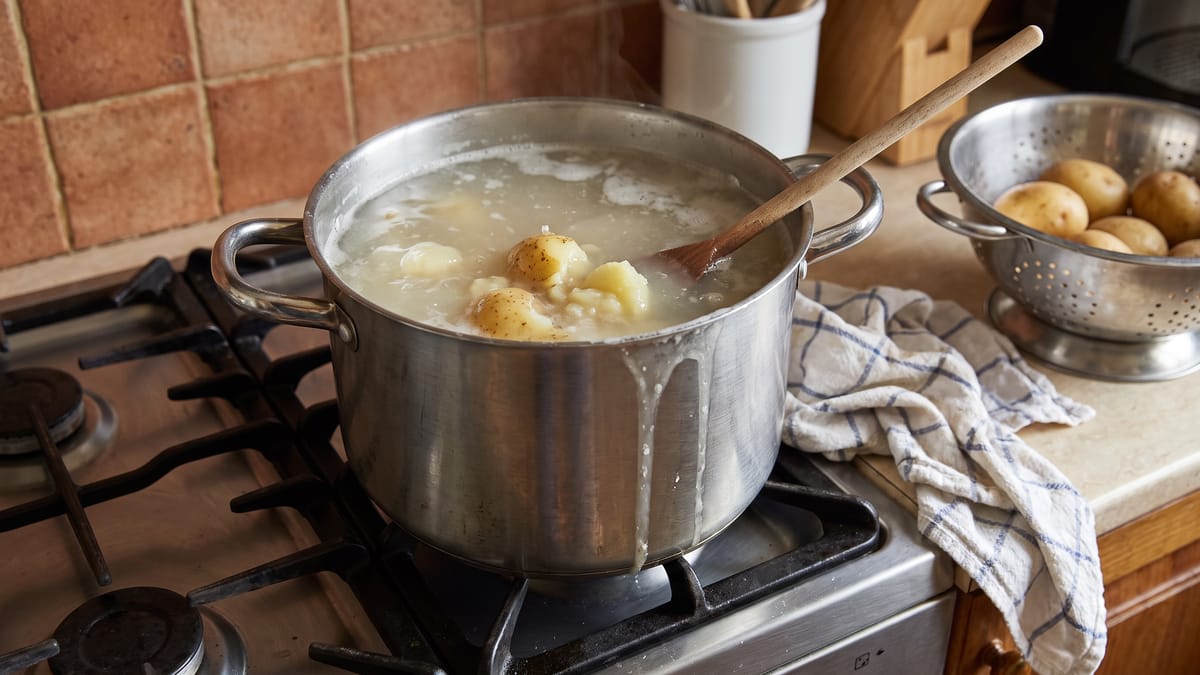
We've all been there, standing over a pot of vigorously boiling water, watching our potato chunks tumble and churn, patiently awaiting that moment of tender surrender. It's a culinary ritual passed down through generations, a seemingly innocuous step in countless recipes. From creamy mashed potatoes to hearty potato salads, the boiling pot has long been our go-to for softening these versatile tubers. But what if we told you that this time-honored tradition, this seemingly foolproof method, might actually be sabotaging your potato dishes, leaving them lackluster, watery, and far from their full potential? It's a bold claim, we know, but bear with us. We're about to embark on a culinary journey that will forever change the way you approach cooking potatoes, revealing a world of superior textures, concentrated flavors, and truly transformative results. Prepare to bid farewell to mushy, waterlogged spuds and welcome a new era of potato perfection.
The Great Potato Paradox: Why Boiling Can Be Detrimental
At first glance, boiling seems logical. Water, heat, softening. Simple, right? The problem lies in the very nature of water and how potatoes absorb it. Potatoes, especially starchy varieties, are like tiny sponges. When submerged in boiling water, they readily soak up the liquid, expanding their cell walls. While this does tenderize them, it also dilutes their inherent flavor and can lead to a rather unpleasant, waterlogged texture. Imagine a beautiful, earthy potato, brimming with its unique character. Now, picture that character being diluted, washed out, by an influx of plain water. It’s a culinary tragedy, really.
Furthermore, the aggressive tumbling motion of a rapid boil can be quite detrimental to the delicate cell structure of the potato. This is especially true for more starchy varieties like Russets or Idaho potatoes, which are prized for their fluffiness. The constant agitation can cause the outer layers to break down prematurely, resulting in a mealy, unevenly cooked potato where the outside is falling apart while the inside remains stubbornly firm. This often leads to that frustrating scenario where you're trying to mash them, and you end up with a lumpy, gluey mess, rather than the smooth, ethereal cloud you envisioned. Even for waxy potatoes, which hold their shape better, a vigorous boil can strip away some of their vibrant essence, leaving them feeling somewhat lifeless.
The Science Behind the Spud: Starch, Pectin, and Water
To truly understand why our traditional boiling method falls short, we need a quick dive into the fascinating world of potato chemistry. Potatoes are primarily composed of starch and pectin. Starch, in its raw form, is a tightly packed granule. When heated in the presence of water, these granules absorb liquid, swell, and eventually burst, a process known as gelatinization. This is what gives cooked potatoes their tender, often fluffy texture. Pectin, on the other hand, is a complex carbohydrate that acts as a kind of cellular glue, holding the potato cells together.
When we boil potatoes, the high heat and abundant water cause rapid starch gelatinization. However, the excess water can lead to over-gelatinization, making the potatoes overly soft and prone to breaking apart. Moreover, the pectin, which provides structural integrity, can also break down too quickly, contributing to that mushy texture we so desperately try to avoid. The goal, therefore, is to cook the starch just enough to tenderize it, while preserving the pectin's structure as much as possible, and, crucially, avoiding excessive water absorption. It’s a delicate balance, one that traditional boiling often disrupts.
The Gentle Approach: Starting Cold is Key
One of the most fundamental shifts in our potato cooking philosophy involves a simple, yet profoundly impactful, change: start your potatoes in cold water. This might seem counterintuitive to those of us accustomed to waiting for a rolling boil before introducing our ingredients, but there's a very sound reason for this. When you place potatoes directly into already boiling water, the sudden shock of high heat causes the outside to cook much faster than the inside. This leads to that undesirable situation where the exterior is soft and mushy, while the core remains stubbornly undercooked.
Starting in cold water allows the potatoes to heat up gradually and evenly. As the water slowly comes to a simmer, the heat penetrates the potato uniformly, ensuring that the starch gelatinizes at a consistent rate throughout the entire piece. This gentle ascent to temperature helps to maintain the integrity of the potato cells, preventing the outer layers from breaking down prematurely. The result is a potato that is perfectly tender from edge to center, with a much more consistent and pleasing texture. This method also minimizes the violent agitation associated with a rapid boil, further protecting the potato's delicate structure. It’s a small adjustment that yields surprisingly significant improvements.
The Salt Solution: Seasoning from the Start
Another critical, yet often overlooked, aspect of superior potato cooking is seasoning the cooking water adequately. We're not talking about a pinch here and there; we're talking about making the water taste distinctly salty, like the sea. Why is this so important? Well, as we discussed, potatoes are sponges. They will absorb the liquid they are cooked in. If that liquid is bland, then your potatoes will be bland. It’s a simple equation.
Adding a generous amount of salt to the cold cooking water ensures that as the potatoes absorb liquid, they are simultaneously absorbing seasoning. This permeates the potatoes from the inside out, rather than merely coating the surface. The difference in flavor is truly remarkable. Potatoes cooked in properly salted water will have a depth and richness that those cooked in unsalted water simply cannot achieve, even if you season them heavily after cooking. Think of it as pre-seasoning your canvas before you even begin to paint. It builds a foundational layer of flavor that elevates the entire dish.
Beyond the Boil: Steaming, Roasting, and Pressure Cooking
While starting cold is a vast improvement for boiling, we can go even further. Sometimes, the best way to cook a potato isn't to boil it at all. Exploring alternative cooking methods can unlock even more incredible textures and flavors.
Steaming is a fantastic option, particularly for potatoes destined for salads or dishes where you want them to hold their shape perfectly. Steaming introduces heat through vapor, minimizing direct contact with water. This prevents the potatoes from becoming waterlogged, allowing them to cook gently and evenly while retaining their distinct flavor and firm texture. The result is a potato that is tender, yet still has a satisfying bite, perfect for absorbing dressings and sauces without turning into a mushy mess.
Roasting, whether in a hot oven or air fryer, is another game-changer. When potatoes are roasted, their natural sugars caramelize, creating a wonderfully crispy exterior and a fluffy, flavorful interior. The dry heat concentrates their flavor, rather than diluting it, and the high temperatures break down the starches beautifully. For truly exceptional roasted potatoes, par-boiling them first (using our cold-start method, of course!) until just tender, then roughing up their edges in a colander before tossing with oil and seasonings, creates an incredible textural contrast. The slightly roughed-up edges become extra crispy, forming delightful little nooks and crannies that capture all the delicious seasonings.
Pressure cooking, while perhaps less common for basic potato cooking, can be a revelation for mashed potatoes. The high-pressure environment cooks potatoes incredibly quickly and efficiently, breaking down starches thoroughly without over-saturating them with water. This method yields exceptionally fluffy and tender potatoes, perfect for mashing into a smooth, lump-free consistency. Just be sure to use the correct amount of water and follow your pressure cooker's instructions carefully to avoid overcooking.
The Post-Cook Dry: A Crucial Step Often Skipped
Once your potatoes are cooked to tender perfection, regardless of the method, there's one final, absolutely critical step that many home cooks overlook: drying them out. Even potatoes cooked using the cold-start method or steaming will retain some surface moisture. This excess moisture is the enemy of good texture, especially if you're mashing them or planning to roast them further.
After draining your cooked potatoes, return them to the empty, warm pot. Place the pot back on the stovetop over low heat for a few minutes, gently shaking or stirring them. The residual heat from the pot and the gentle warmth from the stove will help to evaporate any lingering surface moisture. You'll notice a subtle steam rising from the potatoes. This drying step concentrates their flavor, makes them fluffier, and ensures that any added fats, like butter or olive oil, can truly adhere and create that beautiful, rich texture we all crave. For mashed potatoes, this step is non-negotiable for achieving that light, airy consistency. For roasted potatoes, it's the secret to achieving truly crispy skins.
Practical Applications: Elevating Your Favorite Potato Dishes
Let's put these principles into practice and see how they can transform some of our most beloved potato dishes.
For mashed potatoes, always start your peeled and cut potatoes in cold, generously salted water. Bring them to a gentle simmer and cook until fork-tender, but not falling apart. Drain thoroughly, then return them to the warm pot over low heat to dry for a few minutes. Then, and only then, add your warm milk or cream and softened butter, mashing gently until smooth and fluffy. The result will be ethereal, flavorful, and utterly devoid of gumminess.
When making potato salad, the goal is to have potatoes that hold their shape, absorb dressing beautifully, and offer a satisfying bite. For this, steaming is often the superior choice. Cut your potatoes into uniform pieces, steam them until just tender, then let them cool completely before dressing. If boiling, use the cold-start method with plenty of salt, and be vigilant about not overcooking. The drying step is less crucial here, as you want some moisture to help the dressing cling, but avoid waterlogging them.
For roasted or fried potatoes, the par-boiling technique (cold-start, salted water) is your best friend. Cook them until they are just tender enough to pierce with a fork, but still firm. Drain them, and then, here's the magic, return them to the empty pot and vigorously shake them. This action slightly roughs up their edges, creating more surface area for crisping. Toss with oil and seasonings, then roast or fry until golden brown and gloriously crispy. The contrast between the crispy exterior and the fluffy interior will be sublime.
Embracing the Potato's Potential
The humble potato, often relegated to a supporting role, possesses an incredible versatility and a depth of flavor that is frequently underestimated. By re-evaluating our approach to cooking it, moving beyond the traditional, often detrimental, method of aggressive boiling, we unlock a world of culinary possibilities. It's about respecting the ingredient, understanding its unique properties, and applying techniques that allow it to shine.
These adjustments, though seemingly minor, yield profound results. They transform a bland, watery side dish into a star of the plate, a testament to the power of thoughtful cooking. We encourage you to experiment, to taste the difference, and to discover the true potential of this magnificent tuber. Once you experience the concentrated flavor, the perfect texture, and the sheer joy of a perfectly cooked potato, you'll wonder why you ever boiled them any other way.
Putting It All Together
At the end of the day, mastering the art of cooking potatoes isn't about complex techniques or obscure ingredients; it's about understanding a few fundamental principles. It’s about recognizing that the way we introduce heat and water to our potatoes profoundly impacts their final texture and flavor. By starting them in cold, generously salted water, we ensure even cooking and build a foundational layer of seasoning. By considering alternative methods like steaming or roasting, we can tailor the cooking process to achieve specific textural goals. And by taking that crucial step of drying them out after cooking, we eliminate excess moisture, paving the way for maximum flavor concentration and ideal texture, whether that's fluffy mashed potatoes or shatteringly crisp roasted wedges. These aren't just tips; they are transformative insights that will elevate your potato dishes from acceptable to extraordinary. So, the next time you reach for a potato, remember these lessons, and prepare to embark on a delicious journey of potato perfection.