When to Start Thawing Your Turkey The Safe Refrigeration Timeline
Thanksgiving, Christmas, or any grand feast where a magnificent whole turkey takes center stage, often brings with it a subtle undercurrent of anxiety, particularly when it comes to the thawing process. We've all been there, staring at that frozen behemoth in the freezer, wondering, "When exactly should I pull this out?" The seemingly simple act of thawing a turkey is, in fact, a critical step in ensuring both the culinary success of your meal and, more importantly, the safety of your diners. Rushing it can lead to uneven cooking and potential health risks, while waiting too long can leave you scrambling with last-minute, less-than-ideal solutions.
The good news is that mastering the art of safe turkey thawing is entirely within your grasp. It primarily involves understanding a few key principles, most notably the USDA-recommended guidelines, which prioritize a slow, steady, and consistently cold environment. Forget the old wives' tales and risky shortcuts; we're going to delve into the most reliable method: refrigerator thawing. This approach, while requiring a bit of foresight, is by far the safest and yields the best results, ensuring your turkey is perfectly prepared for its journey into the oven.
The Golden Rule: Refrigerator Thawing
When it comes to thawing a whole turkey, the refrigerator is your best friend. This method is championed by food safety experts because it keeps the turkey at a consistently cold temperature, 40°F or below, throughout the entire process. This temperature is crucial because it prevents the rapid growth of harmful bacteria, which thrive in warmer conditions. While it demands patience, the peace of mind it offers is truly invaluable.
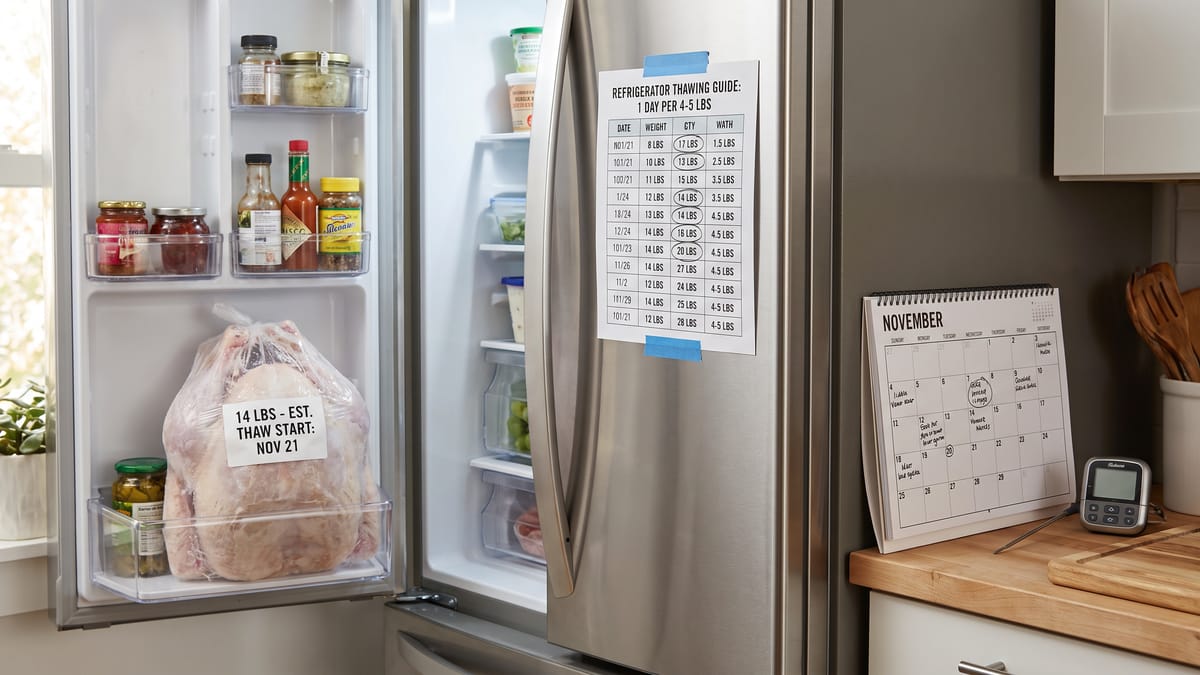
The fundamental principle for refrigerator thawing is straightforward: allow approximately 24 hours for every 4 to 5 pounds of turkey. This guideline ensures that even the deepest parts of the turkey have ample time to reach a safe, thawed state. It's a slow and steady race, but one that guarantees success.
Planning Your Thaw: A Weight-Based Schedule
To help you plan precisely, let's break down the refrigerator thawing times based on the weight of your turkey. This chart will be your essential guide, allowing you to mark your calendar and avoid any last-minute panic.
- • 4 to 12 pounds: Plan for 1 to 3 days of thawing.
- • 12 to 16 pounds: Allocate 3 to 4 days for thawing.
- • 16 to 20 pounds: You'll need 4 to 5 days to thaw a turkey of this size.
- • 20 to 24 pounds: For these larger birds, set aside 5 to 6 days for thawing.
Safe Harbor: From Fridge to Oven
Once your turkey is fully thawed in the refrigerator, you have a brief window before it absolutely needs to be cooked. A turkey thawed using this method can safely remain in the refrigerator for 1 to 2 days before you put it in the oven. This flexibility is another significant advantage of refrigerator thawing, allowing you a little breathing room in your meal preparation schedule.
When you finally retrieve your thawed turkey from the refrigerator, remember to handle it with care. Place it on a tray or pan to catch any residual juices, preventing cross-contamination with other foods in your kitchen. Before cooking, be sure to remove the giblets from the turkey cavity. These are typically packaged separately inside the bird and should be cooked independently.
The Danger Zone: Why Counter Thawing is a Big No-No
We've all heard stories, perhaps even witnessed it ourselves, of someone leaving a frozen turkey out on the kitchen counter to thaw. While it might seem like a quicker solution, this method is unequivocally unsafe and should be avoided at all costs. The reason is simple: bacteria.
Perishable foods, including raw turkey, must not be left at room temperature for more than 2 hours. The temperature range between 40°F and 140°F is known as the "danger zone" because it's where bacteria multiply most rapidly. When a turkey thaws on the counter, its outer layers quickly warm up into this danger zone, even as the interior remains frozen. This creates a perfect breeding ground for harmful microorganisms, long before the entire bird is thawed. Even if you cook the turkey thoroughly later, the toxins produced by these bacteria may not be destroyed, leading to foodborne illness. The same principle applies to thawing in warm water; it accelerates bacterial growth without ensuring uniform, safe thawing.
When Time Is of the Essence: Alternative Thawing Methods
Despite our best intentions, sometimes we find ourselves in a pinch, having forgotten to start the refrigerator thaw early enough. Don't despair, there are safe alternative thawing methods, though they come with their own set of rules and limitations.
Cold Water Thawing: This method is significantly faster than refrigerator thawing but requires constant attention. The turkey must be placed in a leak-proof plastic bag to prevent water from seeping in and contaminating the meat or washing away flavorful juices. Submerge the bagged turkey in a sink or large container filled with cold tap water. The critical step here is to change the water every 30 minutes. This ensures the water remains cold enough to keep the turkey out of the danger zone.
Here are the approximate cold water thawing times:
- • 4 to 12 pounds: Expect 2 to 6 hours.
- • 12 to 16 pounds: This size will take 6 to 8 hours.
- • 16 to 20 pounds: Allocate 8 to 10 hours.
- • 20 to 24 pounds: Prepare for 10 to 12 hours.
Microwave Thawing: While technically an option, microwave thawing is generally recommended only for smaller turkeys or turkey parts, and it requires careful adherence to your microwave oven's manufacturer instructions. The primary drawback is that some areas of the turkey may begin to warm and even cook during the thawing process, making immediate cooking essential. As with cold water thawing, a turkey thawed in the microwave cannot be refrozen and must be cooked right away.
The Ultimate Time-Saver: Cooking from Frozen
Believe it or not, it is perfectly safe to cook a turkey directly from its frozen state. This is a fantastic option if you've completely run out of time for thawing. The main caveat is that cooking from frozen will take at least 50% longer than cooking a fully thawed turkey. This means you'll need to adjust your cooking schedule significantly.
When cooking from frozen, ensure you still remove the giblets after the turkey has cooked enough to allow their removal, typically a few hours into the cooking process. Always use a food thermometer to verify that the turkey reaches a minimum internal temperature of 165°F in the innermost part of the thigh, the innermost part of the wing, and the thickest part of the breast.
A Note on Refreezing
The ability to refreeze a turkey depends entirely on how it was thawed. If your turkey was thawed in the refrigerator, it can be safely refrozen without cooking, though you might notice some slight loss in quality or texture due to the ice crystal formation during the refreezing process. However, if your turkey was thawed using the cold water method or in the microwave, it must be cooked immediately and should not be refrozen. This is because these quicker thawing methods can allow bacteria to multiply to higher levels, and refreezing without cooking would simply preserve those bacteria.
Putting It All Together
The journey from a frozen block of poultry to a golden, succulent centerpiece is a testament to careful planning and adherence to food safety principles. While refrigerator thawing demands patience and foresight, it remains the gold standard for its safety, convenience, and the flexibility it offers in your cooking timeline. By understanding the USDA guidelines, recognizing the dangers of improper thawing, and knowing your safe alternatives, you can approach your holiday cooking with confidence and ensure that your magnificent turkey is not only delicious but also perfectly safe for everyone to enjoy. So, mark your calendars, clear out that refrigerator space, and let's make this year's turkey a triumph!