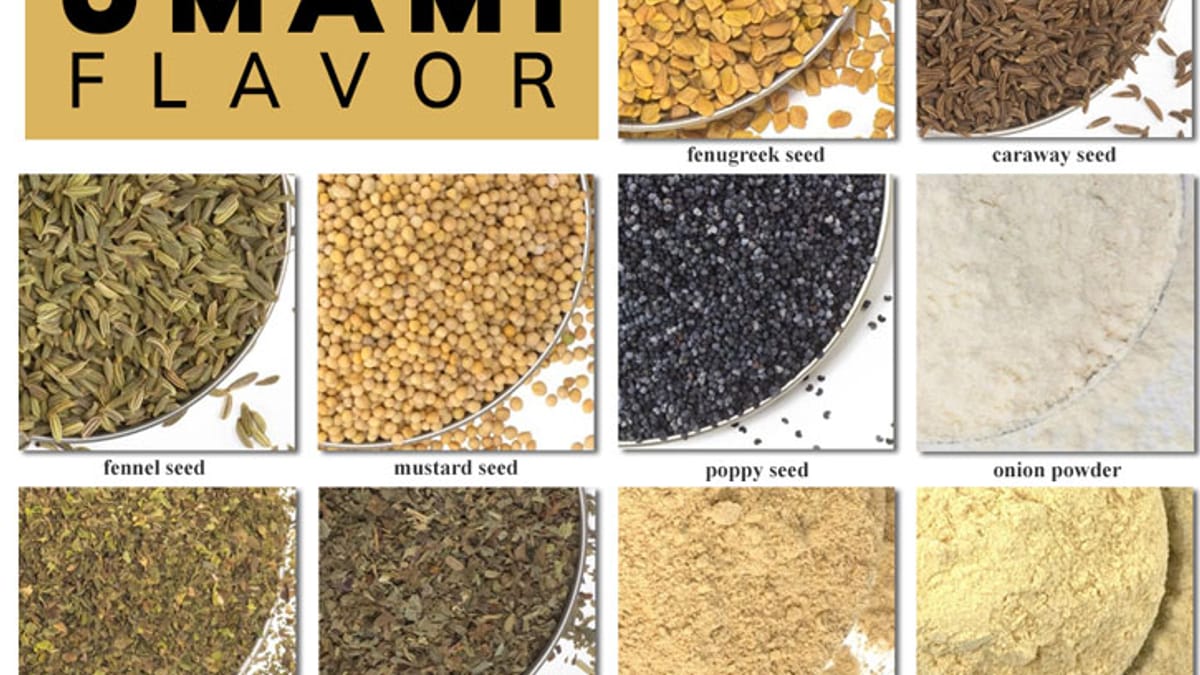
Unlocking Umami: The "Fifth Taste" You Need in Your Cooking
Unlocking Umami: The "Fifth Taste" You Need in Your Cooking
Introduction
If you've ever savored a perfectly ripe tomato, enjoyed a bowl of miso soup, or marveled at the depth of flavor in a well-cooked steak, then you've experienced umami. Often referred to as the "fifth taste," umami adds a savory, rich, and mouthwatering quality that can elevate your dishes from good to unforgettable. In this blog post, we will explore what umami is, its key components, and how to effectively incorporate it into your cooking. By the end, you’ll have practical tips and techniques to unlock this elusive flavor and enhance your culinary creations.
What is Umami?
Umami is a Japanese word that translates to “pleasant savory taste.” It was first identified by Dr. Kikunae Ikeda in 1908 when he isolated glutamate, a naturally occurring amino acid that imparts this unique flavor. Alongside sweet, sour, bitter, and salty, umami has been recognized as one of the five basic tastes.
Key Components of Umami
Umami flavors are primarily derived from three key compounds:
- • Glutamate: Found in foods like tomatoes, mushrooms, and aged cheeses.
- • Inosinate: Present in animal-based products, particularly meats and fish.
- • Guanylate: Found in certain plants, such as mushrooms and dried seaweed.
Why Is Umami Important in Cooking?
Understanding umami can transform your cooking in several ways:
- 1. Depth of Flavor: Umami adds complexity and richness, making dishes more satisfying.
- 2. Balancing Flavors: It can help balance out sweetness or acidity, rounding out the overall taste.
- 3. Enhancing Ingredients: Even simple ingredients can shine when umami is introduced, making your meals more exciting.
Identifying Umami-Rich Ingredients
To start incorporating umami into your cooking, it’s essential to identify ingredients that are naturally rich in this flavor. Below is a handy table of umami-rich ingredients categorized by type:
| Category | Umami-Rich Ingredients |
|---|---|
| Vegetables | Tomatoes, mushrooms, spinach, seaweed |
| Fruits | Ripe tomatoes, avocados |
| Meats & Seafood | Beef, pork, chicken, fish (especially anchovies and sardines) |
| Dairy | Parmesan, aged cheddar, blue cheese |
| Fermented Foods | Soy sauce, miso, kimchi, fish sauce |
| Nuts & Seeds | Walnuts, sesame seeds |
Techniques to Unlock Umami in Your Cooking
Incorporating umami into your dishes doesn’t have to be complicated. Here are some practical techniques to help you unlock this flavor:
1. Use Umami-Rich Ingredients
Start by adding umami-rich ingredients to your recipes. Here are a few ideas:
- • Tomatoes: Use sun-dried tomatoes in salads or sauces for an intense umami boost.
- • Mushrooms: Sautéing mushrooms enhances their natural umami; try adding shiitake or porcini mushrooms to risottos or stir-fries.
- • Fermented Foods: Incorporate soy sauce or miso into marinades for meats or dressings for salads.
2. Layer Flavors
Building umami through layering flavors can exponentially increase richness. Here’s how:
- • Start with a Base: Begin your dishes with a mirepoix (onion, carrot, celery) or sautéed garlic and shallots to create a flavorful foundation.
- • Add Depth: Incorporate umami-rich ingredients as you build the dish. For example, add a splash of soy sauce to a stir-fry or mix in some miso paste into your soup.
- • Finish Strong: Top dishes with freshly grated Parmesan or a sprinkle of nutritional yeast for an umami punch.
3. Cook Low and Slow
Cooking methods like braising or slow-roasting can deepen flavors and enhance umami:
- • Braising: Cook meats like short ribs or pork shoulder slowly in a flavorful liquid (think broth and soy sauce) to develop a rich umami character.
- • Roasting Vegetables: Caramelizing vegetables like tomatoes and carrots in the oven intensifies their natural sweetness and umami flavor.
4. Experiment with Fermentation
Fermented foods are packed with umami and can be a game changer in your cooking:
- • Miso Paste: Use miso to add depth to soups, marinades, or even salad dressings.
- • Kimchi: A spoonful of kimchi can add a spicy, tangy umami kick to various dishes.
5. Use Stock and Broths
Creating your own stock or broth can greatly enhance umami in your soups and sauces. Here’s a basic method for making a flavor-packed stock:
- 1. Gather Ingredients: Use a mix of vegetables (onions, carrots, celery), herbs, and leftover bones or meat scraps.
- 2. Simmer: Place everything in a large pot, cover with water, and simmer for several hours.
- 3. Strain: Strain the liquid and use it as a base for soups, risottos, or sauces.
Creative Umami-Packed Recipe Ideas
To help you get started on your umami journey, here are a few creative recipes featuring umami-rich ingredients:
1. Umami-Rich Mushroom Risotto
Ingredients:
- • Arborio rice
- • Vegetable broth
- • Mixed mushrooms (shiitake, cremini)
- • Onion and garlic
- • Parmesan cheese
- • Fresh herbs (thyme or parsley)
- 1. Sauté onion and garlic in olive oil until translucent.
- 2. Add mushrooms and cook until browned.
- 3. Stir in Arborio rice, coating it in the oil.
- 4. Gradually add warm vegetable broth, stirring frequently until absorbed.
- 5. Finish with Parmesan cheese and herbs.
2. Savory Miso Glazed Salmon
Ingredients:
- • Salmon fillets
- • Miso paste
- • Soy sauce
- • Honey or maple syrup
- • Sesame seeds
- 1. Mix miso paste, soy sauce, and honey to create a glaze.
- 2. Brush the glaze over salmon fillets and marinate for at least 30 minutes.
- 3. Grill or bake the salmon until cooked through.
- 4. Sprinkle with sesame seeds before serving.
3. Tomato and Anchovy Pasta
Ingredients:
- • Spaghetti or your pasta of choice
- • Canned tomatoes
- • Anchovy fillets
- • Garlic
- • Olive oil
- • Fresh basil
- 1. Cook pasta according to package instructions.
- 2. In a pan, heat olive oil, add garlic and anchovies, and cook until fragrant.
- 3. Add canned tomatoes and simmer.
- 4. Toss the cooked pasta into the sauce and garnish with fresh basil.
Tips for Balancing Umami in Your Dishes
While umami is a powerful flavor enhancer, it's essential to balance it with other tastes. Here are some tips:
- • Acidity: Adding a splash of vinegar or citrus juice can brighten dishes and counteract excessive umami.
- • Sweetness: A hint of sweetness can balance out the savory notes; consider a touch of honey or sugar when necessary.
- • Herbs and Spices: Fresh herbs can add freshness, while spices can introduce warmth and complexity.
Conclusion
Unlocking umami in your cooking can transform your dishes, making them richer, more satisfying, and unforgettable. By identifying umami-rich ingredients, experimenting with cooking techniques, and incorporating these flavors into your recipes, you can elevate your culinary skills to new heights. Remember, cooking is all about exploring and having fun, so don’t hesitate to experiment with flavors and find what works best for you. Happy cooking, and may your kitchen be filled with delightful umami goodness!