Understanding the Role of Fat in Cooking
Fat often gets a bad reputation in the world of nutrition, but when it comes to cooking, it plays an essential role that we can’t overlook. Whether we’re sautéing vegetables, baking cookies, or crafting the perfect sauce, fat is our friend in the kitchen. It enhances flavors, improves textures, and can even elevate the overall experience of a dish. So, let’s dive into understanding the role of fat in cooking and explore how we can harness its power to create delicious meals.
The Basics of Fat in Cooking
Before we dive into the nitty-gritty, let’s clarify what we mean by “fat.” In cooking, fat generally refers to oils, butter, lard, and other sources of lipids that can be used in food preparation. These fats can be classified into three main types: saturated, unsaturated, and trans fats. Saturated fats, which are often solid at room temperature, are found in animal products like butter and meat. Unsaturated fats, usually liquid at room temperature, are found in plant oils, avocados, and nuts. Trans fats, primarily found in processed foods, are best avoided for health reasons.
When we cook with fat, we’re not just adding calories; we’re enhancing flavor, improving texture, and affecting how our food cooks. Let’s look at the different roles fat plays in our cooking adventures.
Flavor Enhancement
One of the most delightful aspects of using fat in cooking is its ability to enhance flavor. Think about it: when we sauté onions in olive oil or butter, the fat not only helps in cooking the onions evenly but also carries and amplifies their natural sweetness. Fat acts as a flavor carrier, helping to dissolve and distribute fat-soluble flavors, which include many spices and herbs.
When we roast vegetables with a drizzle of oil, the fat helps to caramelize their natural sugars, creating a deeper, more complex flavor profile. Imagine biting into a roasted carrot that’s been tossed in a generous splash of olive oil versus one that’s been steamed without any fat. The difference in taste is striking!
Texture and Mouthfeel
Fat also plays a crucial role in the texture of our food. When we think of a perfectly flaky pie crust or a tender cake, fat is the magic ingredient. In baking, fats like butter and shortening create layers and pockets of air, resulting in a light, flaky texture. This is particularly important in pastries where we want that delicious crunch and crumb.
Conversely, fats also contribute to creaminess. Think about the rich mouthfeel of a creamy Alfredo sauce or the satisfying texture of a chocolate ganache. These qualities are directly linked to the presence of fat. When we incorporate fat into our recipes, we’re not just adding flavor; we’re also elevating the overall eating experience.
Cooking Techniques Involving Fat
Now that we understand the importance of fat, let’s explore some cooking techniques that utilize it effectively. Each method offers unique benefits, allowing us to create a variety of delicious dishes.
Sautéing
Sautéing is one of the most common techniques where fat shines. By using a small amount of oil or butter, we can cook food quickly over high heat. The key here is to ensure that the fat is hot enough before adding our ingredients, which helps to seal in moisture and develop flavor.
When sautéing, remember to keep your ingredients moving in the pan. This not only prevents burning but also ensures even cooking. A well-sautéed dish should have a beautiful golden color and a hint of caramelization, elevating the flavors significantly.
Roasting and Baking
When we roast or bake, fat serves multiple purposes. In roasting, it helps to crisp up the exterior of meats and vegetables while keeping the inside juicy and tender. For instance, a roasted chicken drizzled with olive oil and seasoned with herbs will not only look appetizing but also taste divine due to the fat’s role in flavor development.
In baking, the way we incorporate fat can change the final product's texture. For example, when making cookies, creaming butter and sugar together introduces air into the mix, leading to a light and fluffy texture. If we melt the butter instead, we create denser, chewier cookies.
Frying
Frying is another popular method where fat takes center stage. Whether deep-frying or pan-frying, the type of fat we choose can influence the final flavor of our dish. For instance, frying in olive oil brings a different taste than using vegetable oil.
When frying, maintaining the right temperature is crucial. If the oil is too cool, our food will absorb excess fat and become greasy. Conversely, if it’s too hot, we risk burning the outside while leaving the inside uncooked. A good rule of thumb is to use a thermometer to monitor the oil’s temperature, ensuring perfect frying every time.
Choosing the Right Fats
With so many fats available, we might wonder which ones to use. Each type of fat has its own flavor profile, smoke point, and health considerations. Here’s a brief guide to help us choose the right fat for our cooking needs.
Extra virgin olive oil is a staple in Mediterranean cooking, known for its robust flavor and health benefits. It’s perfect for drizzling on salads or using in low to medium heat cooking. However, for high-heat applications like frying, we might want to opt for oils with higher smoke points, such as canola or peanut oil.
Butter adds richness and depth to baked goods and sauces. While it has a lower smoke point than some oils, ghee, or clarified butter, which has had its milk solids removed, can withstand higher temperatures.
Coconut oil, with its unique flavor, is excellent for baking or Asian-inspired dishes. However, it’s also high in saturated fat, so moderation is key.
Health Considerations
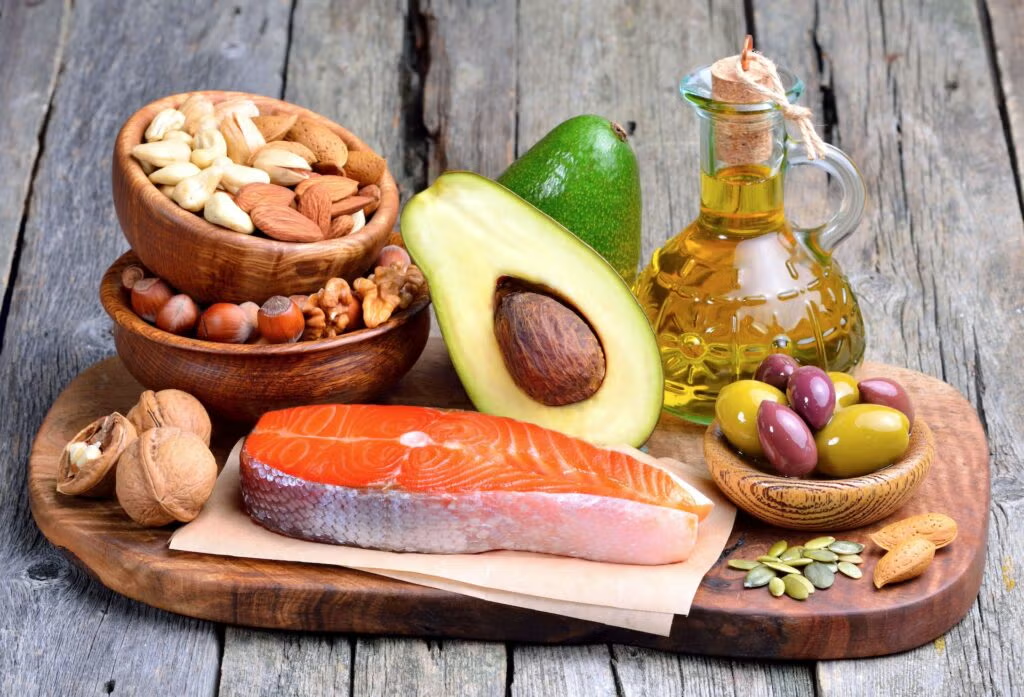
While fat is essential for flavor and texture, it’s also important to be mindful of our choices for health reasons. Incorporating a variety of healthy fats, such as those from nuts, seeds, avocados, and fish, can provide us with the necessary nutrients while keeping our meals satisfying.
Trans fats, often found in processed foods, should be avoided as much as possible. These fats can raise cholesterol levels and increase the risk of heart disease. Instead, we can focus on using whole, minimally processed fats in our cooking, emphasizing balance and moderation.
Practical Tips for Cooking with Fat
As we explore the world of fat in cooking, we can implement some practical tips to enhance our culinary skills:
- • Experiment with different fats to discover their unique flavors and properties. You might be surprised at how a simple switch can change a dish dramatically.
- • Don’t be afraid to combine fats. Mixing butter and oil can yield a great balance of flavor and a higher smoke point, perfect for sautéing.
- • Always taste as you go! Adjusting the amount of fat can enhance the overall flavor, bringing our dishes to life.
- • Use fat strategically in recipes. For example, adding a bit of butter to a vegetable dish right at the end of cooking can elevate the flavor without overwhelming it.
The Joy of Cooking with Fat
Cooking with fat is not just a necessity; it’s a joy that can transform our meals. By understanding its roles—flavor enhancement, texture improvement, and versatility in cooking techniques—we can make informed choices that lead to delicious results.
As we explore various fats and their applications, let’s remember that cooking is an art. It’s about experimentation, discovery, and joy. So, whether we’re whipping up a simple weeknight dinner or a fancy holiday feast, let’s embrace the magic of fat and allow it to elevate our culinary creations. After all, great cooking is about celebrating flavors, and fat is a vibrant part of that celebration.