Understanding Plant-Based Proteins for Cooks
Plant-based proteins are increasingly becoming the stars of our plates, often stealing the spotlight from traditional meat sources. As cooks, we have an incredible opportunity to explore a whole new world of flavors, textures, and nutritional benefits that come from plant-based ingredients. Whether you’re looking to reduce your meat consumption for health, environmental, or ethical reasons, or simply want to incorporate more variety into your meals, understanding plant-based proteins is essential.
What Are Plant-Based Proteins?
At its core, protein is made up of amino acids, which are the building blocks of our bodies. While animal proteins provide all the essential amino acids we need, many plant proteins can be missing one or more of these crucial components. However, by combining different plant sources, we can easily create a complete protein profile.
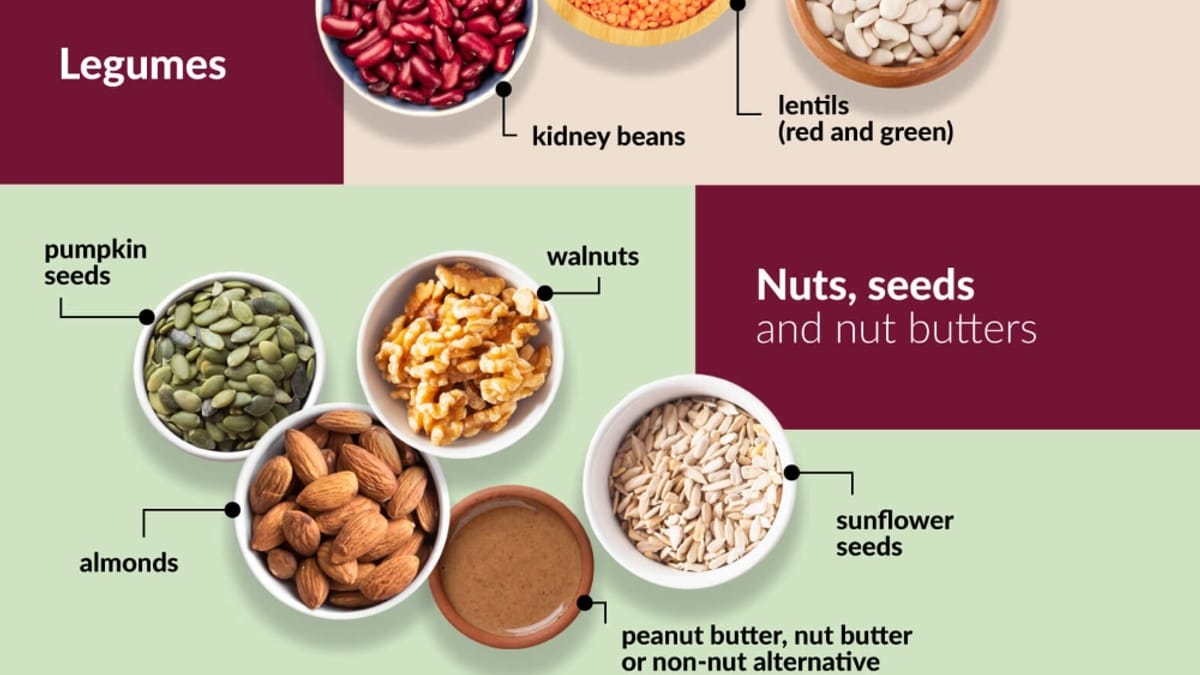
Common sources of plant-based proteins include legumes, nuts, seeds, whole grains, and soy products. Each of these categories offers unique flavors and textures, which can elevate our dishes and keep meals exciting.
Exploring Different Sources of Plant-Based Proteins
Let’s delve deeper into these protein sources to understand how we can utilize them effectively in our cooking.
Legumes, such as lentils, chickpeas, and black beans, are fabulous options. They are rich not just in protein but also in fiber, which is great for our digestive health. Imagine a warm lentil soup simmering with herbs, or a zesty chickpea salad—both are not only nutritious but also delicious.
Nuts and seeds, like almonds, sunflower seeds, and chia seeds, pack a punch of protein along with healthy fats. We can sprinkle them over salads for added crunch or blend them into smoothies for a creamy texture.
Whole grains such as quinoa, farro, and barley are often overlooked but can be incredible sources of protein. Quinoa is particularly notable because it is one of the few plant foods that is a complete protein on its own. Preparing a warm grain bowl topped with roasted vegetables and a drizzle of tahini is a delightful way to enjoy these grains.
Soy products, including tofu, tempeh, and edamame, are incredibly versatile. Tofu can be marinated and grilled, while tempeh can be sautéed or crumbled into dishes for an added texture.
Cooking Techniques for Plant-Based Proteins
Now that we have a grasp on the various sources of plant-based proteins, let’s explore some cooking techniques that can help us make the most of these ingredients.
When cooking legumes, soaking them overnight can significantly reduce cooking time and improve digestibility. After soaking, we can cook them in a pot with fresh water and aromatics like garlic and bay leaves for added flavor. If we’re short on time, canned legumes are a great alternative; just remember to rinse them to reduce sodium levels.
For grains, we should pay attention to the water-to-grain ratio. Generally, using two parts water to one part grain works well, but this can vary depending on the type of grain. Cooking grains in vegetable broth instead of water can infuse them with more flavor, making them a standout component in our dishes.
When it comes to tofu, pressing it before cooking can help us achieve a firmer texture that absorbs marinades better. We can also experiment with different cooking methods—baking, stir-frying, or grilling—each yielding a distinct flavor and texture. For a fun twist, we might try crumbling tofu and using it as a filling for tacos or stuffed peppers.
Flavoring Plant-Based Proteins
One of the most exciting aspects of cooking with plant-based proteins is the vast array of flavors we can incorporate. Seasoning is key. Herbs, spices, and condiments can transform a simple dish into something extraordinary.
For legumes, we can create a rich curry with coconut milk and spices like cumin and turmeric. A sprinkle of fresh cilantro right before serving can elevate the dish even further.
Nuts and seeds can be toasted to enhance their flavor before adding them to salads or granola. A sprinkle of sea salt or a touch of maple syrup can create a delightful balance of savory and sweet.
When it comes to grains, we can toss them with roasted vegetables and a zesty vinaigrette for a refreshing side dish. Adding ingredients like olives, feta cheese, or roasted garlic can also add a depth of flavor that will impress anyone at the table.
Experimenting with Plant-Based Recipes
As we become more comfortable with cooking plant-based proteins, we can start to experiment with our own recipes. For instance, we could try making a lentil shepherd’s pie, using mashed sweet potatoes as a topping instead of traditional mashed potatoes. Or perhaps we could create a chickpea “tuna” salad by mashing chickpeas and mixing them with vegan mayonnaise, celery, and pickles for a delightful sandwich filling.
Another idea is to create a plant-based stir-fry. We can use tofu or tempeh as the protein base and add a rainbow of vegetables. Toss it all in a homemade stir-fry sauce made from soy sauce, ginger, and sesame oil for a quick and satisfying meal.
Nutritional Considerations
While plant-based proteins are a fantastic addition to our diets, it’s essential to ensure we’re meeting our nutritional needs. Pairing different protein sources, like beans with rice or hummus with whole-grain pita, can help us obtain a complete amino acid profile.
Also, we should remember to include a variety of fruits and vegetables in our meals to ensure we’re getting a wide range of vitamins and minerals. It’s all about balance and variety in our diets.
Making Plant-Based Proteins Accessible
For those of us who are used to a meat-centric diet, transitioning to more plant-based meals can be daunting. However, we can make this shift easier by gradually incorporating plant-based proteins into our favorite recipes. We might start by making one or two plant-based meals a week and slowly increasing from there.
Exploring different cuisines that naturally emphasize plant-based ingredients—like Indian, Mediterranean, or Asian cuisines—can also inspire us. Many traditional recipes highlight legumes and grains, making it easier for us to enjoy delicious, nutrient-dense meals.
Creating a Plant-Based Pantry
Building a well-stocked pantry can make cooking with plant-based proteins a breeze. We can keep a variety of legumes, grains, nuts, and seeds on hand, along with spices and condiments that enhance flavor.
Having canned beans and ready-to-eat grains can be lifesavers on busy days. We might also consider investing in quality oils and vinegars for salad dressings and marinades, which can add a gourmet touch to our meals.
Connecting with the Community
Finally, connecting with a community of like-minded cooks can significantly enhance our plant-based cooking journey. Whether it’s joining a local cooking class, participating in online forums, or simply sharing recipes with friends, we can inspire one another and share tips along the way.
Cooking is not just about nourishing our bodies; it’s also about creativity and connection. By embracing plant-based proteins, we can expand our culinary horizons and create dishes that are not only good for us but also good for the planet.
As we explore the world of plant-based proteins, let’s remember to enjoy the journey. Each meal is an opportunity to try something new, to savor different flavors, and to nourish our bodies in delightful ways. So, let’s roll up our sleeves, fire up our stoves, and dive into the wonderful world of plant-based cooking. Happy cooking!