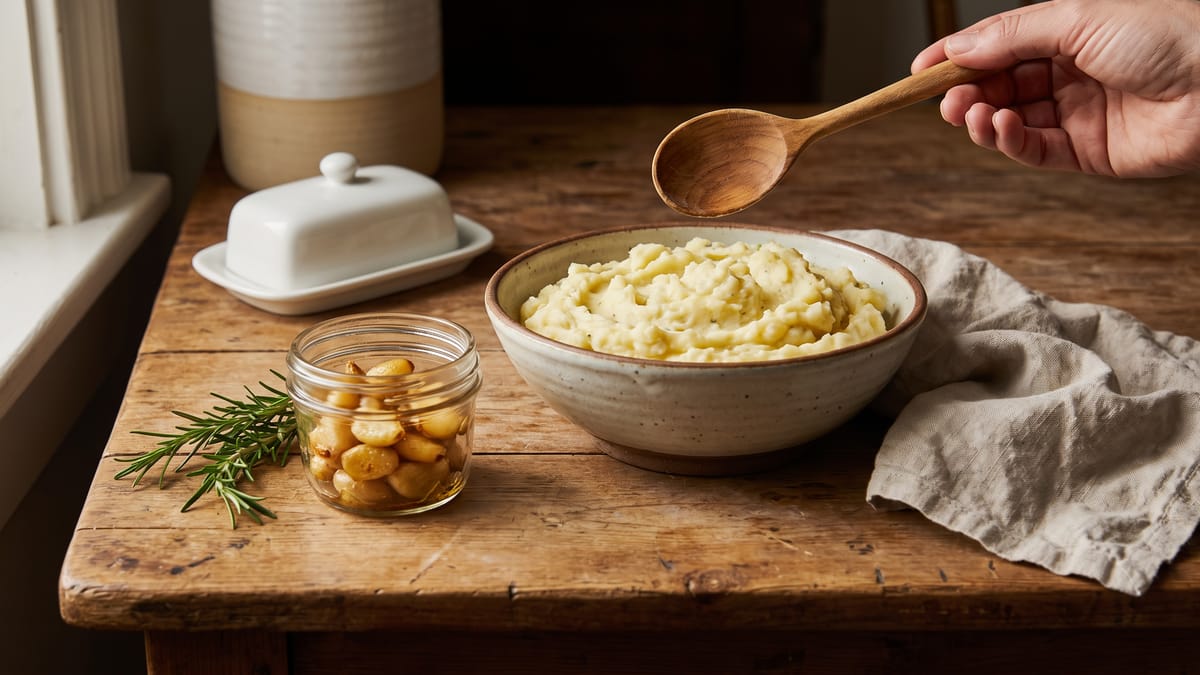
This $2 Ingredient Makes Homemade Mashed Potatoes Taste So Much Better
Mashed potatoes. Ah, the quintessential comfort food. A staple at holiday feasts, a soothing side dish on a chilly evening, and a canvas for culinary creativity. We all have our cherished memories of this creamy, dreamy concoction. Perhaps it was Grandma's secret recipe, or the first time we successfully whipped up a batch that wasn't lumpy or gluey. For many of us, mashed potatoes are more than just a side; they are an experience, a warm embrace in edible form. But let's be honest, achieving that ethereal, fluffy, melt-in-your-mouth perfection can sometimes feel like chasing a culinary unicorn. We've tried different potato varieties, experimented with butter ratios, and debated the merits of milk versus cream. Yet, there's often a subtle something missing, a je ne sais quoi that elevates a good mash to a truly unforgettable one. Today, we're going to pull back the curtain on a game-changing ingredient, one that costs mere pennies but delivers an astonishing impact on the texture and flavor of our beloved mashed potatoes. Prepare yourselves, because your mashed potato world is about to be rocked.
The Quest for Mashed Potato Perfection
Before we unveil our secret weapon, let's take a moment to appreciate the journey we've all been on in pursuit of the perfect mashed potato. It's a culinary quest fraught with potential pitfalls. We've likely encountered the dreaded gummy mash, a result of overworking the starches. Or perhaps the watery, insipid kind, born from inadequate draining. Then there's the coarse, lumpy variety, a testament to insufficient mashing. And, of course, the bland, uninspired rendition that leaves us yearning for something more.
The ideal mashed potato, in our humble opinion, possesses a delicate balance: it's incredibly creamy yet remarkably light and fluffy. It's rich in flavor, but not overwhelmingly so. It has a subtle sweetness from the potato itself, complemented by the savory notes of butter and the gentle warmth of dairy. It's a dish that feels both luxurious and comforting, a true testament to simple ingredients handled with care. We've spent countless hours in our kitchens, experimenting with different techniques and ingredients, all in the noble pursuit of this culinary holy grail. And through all our trials and tribulations, we stumbled upon something truly magical.
Unveiling the Secret: Our $2 Game-Changer
And now, for the moment you've all been waiting for. The humble, often overlooked, yet utterly transformative ingredient that will revolutionize your mashed potatoes: baking soda.
Yes, you read that correctly. Baking soda. The same white powder we use to leaven cakes and cookies, to neutralize odors in our refrigerators, and even as a gentle abrasive for cleaning. It might seem counterintuitive to add a leavening agent to a savory side dish, but trust us, the science behind this is sound, and the results are nothing short of spectacular. This unassuming little box, typically costing a dollar or two at any grocery store, holds the key to achieving that elusive, airy texture and a surprisingly enhanced flavor profile in our mashed potatoes.
The Science Behind the Magic: How Baking Soda Transforms Potatoes
So, how exactly does a pinch of baking soda work its wonders on a pot of potatoes? The answer lies in chemistry, specifically in how baking soda interacts with the starches and pectin within the potato.
Potatoes are rich in starch, which is responsible for their characteristic texture. When potatoes are boiled, these starch granules absorb water and swell. However, they also contain pectin, a complex carbohydrate that acts as a kind of glue, holding the potato cells together. When we mash potatoes, especially vigorously, we can rupture these cells and release excessive starch, leading to that undesirable gummy, gluey consistency. This is why many chefs advocate for gentle mashing or using a potato ricer.
Baking soda, or sodium bicarbonate, is an alkaline compound. When we add it to the boiling water with our potatoes, it subtly raises the pH of the water. This alkaline environment has a remarkable effect on the pectin. It helps to break down the pectin in the outer layers of the potato, making the cells on the surface more prone to breaking down and softening. This initial breakdown of pectin creates a more tender, floury exterior on the potato pieces even before mashing.
But the magic doesn't stop there. This slight alkalinity also encourages a phenomenon known as "starch gelatinization" to occur more evenly. It helps the starch granules absorb water more efficiently and swell to their fullest potential without becoming overly sticky. The result? A potato that cooks more evenly, becomes incredibly tender throughout, and, crucially, mashes into an astonishingly light and fluffy consistency. The potatoes become almost ethereal, airy, and incredibly creamy, without any of that pasty, heavy feeling. It's a subtle but profound transformation, yielding a mashed potato that feels lighter on the palate, yet still deeply satisfying.
Beyond Texture: The Flavor Enhancement
While the textural transformation is undeniably impressive, baking soda also plays a subtle but significant role in enhancing the flavor of our mashed potatoes. The slight increase in pH can help to bring out the natural sweetness of the potato. It can also mellow out any potential bitterness or earthiness that some potato varieties might possess, leaving us with a cleaner, brighter potato flavor. Think of it as a flavor amplifier, subtly coaxing out the best qualities of the potato itself. It doesn't add a discernible "baking soda taste," but rather elevates the inherent deliciousness of the potato. This is why we find our mashed potatoes, when prepared with this method, taste more "potato-y" in the best possible way, allowing the other rich ingredients like butter and cream to shine even brighter.
How to Incorporate Baking Soda into Your Mashed Potato Routine
Now that we've delved into the "why," let's get down to the "how." Incorporating baking soda into your mashed potato preparation is incredibly simple, requiring just one extra step that will yield extraordinary results.
Step 1: Choose Your Potatoes Wisely. While baking soda can improve any mashed potato, starting with the right variety will give you the best foundation. We highly recommend starchy potatoes like Russets (also known as Idaho potatoes) or Yukon Golds. Russets are particularly good for a fluffy mash due to their high starch content, while Yukon Golds offer a naturally buttery flavor and a lovely creamy texture. Avoid waxy potatoes like red bliss or new potatoes, as their lower starch content and higher moisture content make them less ideal for mashing, even with our secret ingredient.
Step 2: Prepare Your Potatoes. Peel your chosen potatoes and cut them into uniformly sized pieces, roughly 1 to 1.5 inches. This ensures they cook evenly. If some pieces are larger than others, they will cook at different rates, leading to some being overcooked and others undercooked, which can negatively impact the final texture. Rinse the cut potatoes under cold water to remove excess surface starch, which can also contribute to gumminess.
Step 3: The Baking Soda Infusion. Place the rinsed potato pieces in a large pot. Cover them with cold water by about an inch. Now, here's where our secret ingredient comes in: add 1/2 teaspoon of baking soda for every 2 pounds of potatoes. For a smaller batch, say 1 pound of potatoes, use 1/4 teaspoon. It's a small amount, but it's mighty. Too much baking soda can impart a soapy taste, so precision is key here.
Step 4: Boil and Drain. Add a generous pinch of salt to the water (the baking soda does not replace the need for salting the cooking water). Bring the water to a rolling boil over high heat, then reduce the heat to a simmer and cook until the potatoes are fork-tender. This usually takes about 15-20 minutes, depending on the size of your potato pieces. You'll notice that the potatoes might look a little "floury" or "mealy" on the outside, and this is exactly what we want! Once tender, drain the potatoes thoroughly in a colander. Let them sit in the colander for a minute or two, allowing any remaining steam to escape. This is crucial for preventing a watery mash.
Step 5: Mash and Finish. Transfer the drained potatoes back to the warm pot or a large mixing bowl. Now, for the mashing. We prefer a potato ricer or a potato masher for the best results. A ricer pushes the potatoes through small holes, creating an incredibly light and fluffy texture without overworking the starch. If using a masher, be gentle and avoid over-mashing.
Once mashed to your desired consistency, it's time for the good stuff. Add warm milk, cream, or a combination of both, along with a generous amount of butter. We typically start with 1/4 cup of warm dairy and 4 tablespoons of butter for every 2 pounds of potatoes, then adjust as needed. The warmth of the dairy helps it incorporate more smoothly and keeps the potatoes hot. Season generously with salt and freshly ground black pepper. You can also add other flavorings at this stage, such as roasted garlic, fresh herbs, or a touch of sour cream or cream cheese for extra richness. Gently fold everything together until just combined. Overmixing at this stage can also lead to a gummy texture.
Tips for Mashed Potato Mastery (Beyond Baking Soda)
While baking soda is a game-changer, there are other crucial elements that contribute to truly exceptional mashed potatoes. Let's delve into some additional tips that will elevate your mashed potato game even further.
Starting with Cold Water: Always place your peeled and cut potatoes in cold water before bringing them to a boil. If you start with hot water, the outside of the potato pieces will cook faster than the inside, leading to unevenly cooked potatoes. Cold water allows for more even heat penetration, ensuring the potatoes cook uniformly from core to surface.
Seasoning the Water: Don't underestimate the power of salting your cooking water. Potatoes are naturally bland, and adding salt to the water seasons them from the inside out. This makes a significant difference to the overall flavor of the final dish. Think of it as building flavor from the ground up.
Thorough Draining (and Drying): After cooking, drain your potatoes thoroughly. Then, return them to the empty, hot pot over very low heat for a minute or two, shaking the pot gently. This allows any residual moisture to evaporate, which is key to preventing a watery or gluey mash. A dry potato absorbs butter and cream much more effectively.
Warm Dairy and Butter: Always warm your milk, cream, or butter before adding it to the mashed potatoes. Cold ingredients will cool down your potatoes and make them harder to incorporate smoothly, potentially leading to overworking. Warm dairy also emulsifies better with the butter and starches, creating a silkier texture.
Don't Overmix: This is perhaps the most common mistake when making mashed potatoes. Overmixing releases too much starch, leading to that dreaded gummy, pasty texture. Mash or rice the potatoes until they are mostly smooth, then gently fold in the warm dairy and butter until just combined. A few small lumps are far preferable to a gluey mess.
Embrace the Ricer: If you don't already own one, consider investing in a potato ricer. It's a relatively inexpensive tool that makes an enormous difference in achieving a light, fluffy, and lump-free mash with minimal effort and without overworking the potatoes. It's a professional chef's secret weapon for a reason.
Consider Roasting Garlic: For an extra layer of savory depth, roast a head or two of garlic until soft and caramelized. Squeeze the sweet, mellow garlic cloves into your mashed potatoes along with the butter and cream. It adds an incredible complexity without being overpowering.
Fresh Herbs for Brightness: A sprinkle of fresh chives, parsley, or dill at the end can add a wonderful burst of freshness and color, cutting through the richness of the potatoes.
Troubleshooting Common Mashed Potato Problems
Even with our secret ingredient and expert tips, sometimes things can go awry. Here's a quick guide to troubleshooting common mashed potato dilemmas:
Gummy Mashed Potatoes: This is almost always a result of overworking the potatoes. Next time, be gentler with your mashing, consider a ricer, and avoid using a food processor or immersion blender, which are guaranteed to create glue. Unfortunately, once potatoes are gummy, it's very difficult to reverse the effect.
Watery Mashed Potatoes: This usually means your potatoes weren't drained thoroughly enough. Ensure you let them steam dry in the hot pot for a minute or two after draining. If your mashed potatoes are a little watery, you can try returning them to the pot over very low heat, stirring constantly, to help some of the moisture evaporate. Be careful not to scorch them.
Lumpy Mashed Potatoes: While a few small lumps are acceptable, excessively lumpy potatoes often indicate they weren't cooked long enough or were not mashed thoroughly. Ensure your potatoes are fork-tender all the way through before mashing.
Bland Mashed Potatoes: The most common culprit here is insufficient seasoning. Remember to salt the cooking water and then generously season the finished mash with salt and pepper. A little extra butter or a dash of cream can also boost the flavor. Don't be afraid to taste and adjust!
Putting it all together
There you have it. The secret weapon, the unsung hero of the mashed potato world: baking soda. This humble, inexpensive ingredient, when used judiciously, elevates a simple side dish to an extraordinary culinary experience. It's a testament to the power of understanding basic kitchen chemistry and how a small adjustment can yield monumental results. We've explored the science, the technique, and offered a plethora of tips to ensure your mashed potatoes are consistently light, fluffy, creamy, and bursting with flavor.
So, the next time you embark on the delightful journey of making mashed potatoes, reach for that unassuming box of baking soda. Add that tiny pinch to your boiling water, and prepare to be amazed. Your taste buds, and those of your fortunate diners, will thank you. This simple, affordable trick will transform your mashed potato game forever, turning an already beloved dish into an absolute masterpiece. Go forth and mash, with newfound confidence and a secret weapon in your culinary arsenal!