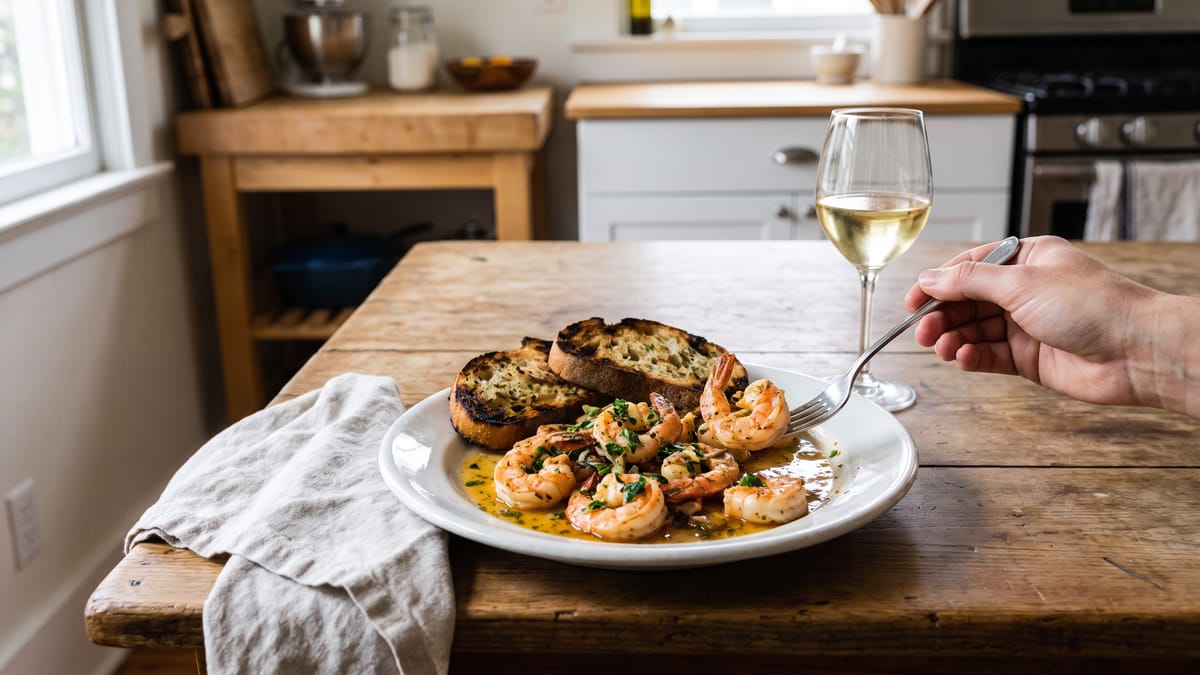
This 15-Minute Garlic Shrimp Dinner Looks Fancy but Is Surprisingly Easy
This 15-Minute Garlic Shrimp Dinner Looks Fancy but Is Surprisingly Easy
Imagine this: it's a weekday evening, the clock is ticking towards dinnertime, and the collective rumbling of stomachs in your household is growing louder. You're tired, perhaps a little frazzled from the day's demands, and the thought of an elaborate culinary endeavor feels akin to scaling Mount Everest in flip-flops. We've all been there, staring blankly into the refrigerator, hoping a gourmet meal will spontaneously materialize. But what if we told you there's a dish, one that whispers of sun-drenched Mediterranean evenings and sophisticated bistro dining, yet requires less time than it takes to decide on a Netflix show? We're talking about Garlic Shrimp, a culinary chameleon that effortlessly transitions from a quick weeknight savior to an elegant dinner party showstopper.
For far too long, many of us have relegated shrimp to the realm of special occasions or restaurant menus, believing its delicate nature and seemingly intricate preparation were beyond the scope of a casual home cook. We've been conditioned to think that anything truly delicious must involve hours of simmering, braising, or complex layering of flavors. Well, prepare yourselves for a delightful paradigm shift, because today we are dismantling those culinary myths. We are going to unveil the secrets to a Garlic Shrimp dinner that is not only astonishingly swift to prepare, clocking in at a mere 15 minutes from start to finish, but also delivers an explosion of flavor that will have your family or guests convinced you've been secretly attending a cordon bleu academy. This isn't just a recipe; it's a philosophy, a testament to the idea that extraordinary meals can indeed emerge from ordinary kitchens with surprising ease and speed.
Why Shrimp Is Our Weeknight Warrior
Let's talk about shrimp, a truly remarkable ingredient that deserves a permanent spot in your culinary repertoire. Its inherent qualities make it an ideal candidate for rapid cooking. Unlike tougher cuts of meat that demand prolonged tenderization, shrimp possesses a delicate muscle structure that cooks incredibly quickly, often in just a few minutes. This attribute alone makes it a formidable ally in the battle against time-constrained mealtimes. Moreover, shrimp has a wonderfully mild, sweet flavor that acts as a blank canvas, eagerly absorbing and complementing a wide array of seasonings and sauces. It's incredibly versatile, capable of starring in everything from spicy stir-fries to creamy pasta dishes, vibrant salads, and, of course, our celebrated garlic-infused creation.
Beyond its culinary flexibility, shrimp also offers a significant nutritional punch. It's a lean source of protein, essential for muscle repair and satiety, and it's packed with beneficial nutrients such as selenium, vitamin B12, and phosphorus. It's also surprisingly low in calories, making it a fantastic option for those mindful of their dietary intake. And let's not forget the sheer availability of shrimp; it's readily found in most grocery stores, both fresh and frozen, making it an accessible ingredient for virtually everyone. We often opt for frozen shrimp, as it's typically flash-frozen at its peak freshness, preserving its quality until we're ready to cook. Just remember the golden rule of thawing: a slow, gentle thaw in the refrigerator overnight is ideal, or a quicker method under cold running water if you're in a pinch. Avoid thawing at room temperature, as this can compromise both texture and food safety.
The Anatomy of Our 15-Minute Marvel: What You'll Need
Before we dive into the sizzling action, let's gather our culinary arsenal. The beauty of this dish lies in its minimalist ingredient list, focusing on quality over quantity to achieve maximum flavor impact. We're not talking about obscure spices or hard-to-find produce; these are staples you likely already have on hand or can easily procure during your next grocery run.
First and foremost, the star of our show: shrimp. We recommend using large or jumbo shrimp, peeled and deveined. While purchasing pre-peeled and deveined shrimp certainly shaves off precious minutes, if you have a moment, doing it yourself can be more cost-effective. If you opt for shell-on shrimp, remember to factor in a few extra minutes for preparation. The size matters here because larger shrimp are less prone to overcooking and offer a more satisfying bite.
Next, the aromatic heart of the dish: garlic. And we mean plenty of garlic. This isn't a dish where garlic plays a supporting role; it's a co-star, providing that pungent, savory depth that defines this meal. We're talking several cloves, finely minced or pressed. If you're a true garlic aficionado, don't be shy; a little extra will only enhance the experience.
To carry and meld these flavors, we'll need a good quality olive oil and a knob of unsalted butter. The olive oil provides a high smoke point for initial searing and a fruity undertone, while the butter adds a luxurious richness and helps create that glossy, irresistible sauce. Using unsalted butter gives us more control over the overall sodium content of the dish.
For a burst of freshness and acidity, lemon juice is indispensable. A squeeze of fresh lemon at the end brightens the entire dish, cutting through the richness of the butter and garlic and awakening the palate. We always advocate for freshly squeezed lemon juice; the bottled variety simply doesn't compare in terms of vibrant flavor.
A sprinkle of fresh parsley, finely chopped, provides a verdant counterpoint and a final flourish of freshness. It adds a subtle herbaceous note and a pop of color that elevates the dish aesthetically. If fresh parsley isn't available, dried works in a pinch, but the fresh really makes a difference.
Finally, our essential seasonings: salt and freshly cracked black pepper. These foundational elements are crucial for enhancing the natural sweetness of the shrimp and balancing all the other flavors. We prefer kosher salt for its texture and consistent seasoning, but any fine sea salt will do.
Optional additions, for those who crave a bit of heat or extra complexity, include a pinch of red pepper flakes for a gentle warmth, or a splash of dry white wine or chicken broth to create a more voluminous sauce, perfect for sopping up with crusty bread. We often include a touch of white wine; it adds a layer of sophistication that is truly delightful.
The Art of the Quick Sauté: Our Method Unveiled
Now, let's get down to brass tacks, the actual execution of this culinary magic. The key to our 15-minute promise lies in maximizing heat and minimizing cooking time, particularly for the shrimp. Overcooked shrimp is rubbery and unappetizing, so precision and attentiveness are paramount.
Step 1: Prep Like a Pro. This is where the "mise en place" philosophy truly shines. Before you even think about turning on the stove, ensure all your ingredients are prepped and within arm's reach. This means your shrimp is thawed, peeled, and deveined. Your garlic is finely minced. Your lemon is halved and ready to squeeze. Your parsley is chopped. Your salt, pepper, olive oil, and butter are all lined up, ready for their moment in the spotlight. This preparatory stage is often overlooked, but it's the secret weapon of efficient cooking, preventing frantic scrambling and ensuring a smooth, stress-free process.
Step 2: Heat Things Up. Choose a large skillet, preferably non-stick or cast iron, that can accommodate all the shrimp in a single layer without overcrowding. Overcrowding the pan will lower its temperature, causing the shrimp to steam rather than sear, which we want to avoid. Place the skillet over medium-high heat. We want it hot enough to create a beautiful sear on the shrimp but not so hot that the garlic burns.
Step 3: The Sizzle and the Aroma. Once your skillet is adequately heated, add a generous glug of olive oil. Let it shimmer for a moment, indicating it's ready. Then, add the minced garlic. This is a critical juncture: we want the garlic to become fragrant and slightly golden, releasing its intoxicating aroma, but not to burn. Burnt garlic is bitter and will taint the entire dish. This usually takes no more than 30 seconds to a minute. Keep a close eye on it, stirring constantly. If you're adding red pepper flakes, toss them in with the garlic to release their heat.
Step 4: Shrimp Time! Now for the main event. Add the prepared shrimp to the skillet in a single layer. Season generously with salt and freshly cracked black pepper. Resist the urge to stir immediately. Allow the shrimp to cook undisturbed for about 1 to 2 minutes on the first side. You'll notice the shrimp starting to turn opaque and pink around the edges, and perhaps even develop a faint golden crust. This is exactly what we're looking for.
Step 5: The Flip and the Finish. Flip the shrimp over and cook for another 1 to 2 minutes on the second side. Shrimp cooks incredibly fast, and the visual cues are your best friend. They will curl into a C-shape and turn a vibrant pinkish-orange all over when perfectly cooked. As soon as they reach this stage, remove the pan from the heat to prevent overcooking.
Step 6: The Butter and the Brightness. While the shrimp is still hot in the pan, add the unsalted butter. The residual heat will melt it quickly, creating a glossy, rich sauce that coats every piece of shrimp. Give the pan a gentle swirl or toss to evenly distribute the butter. Immediately follow with a generous squeeze of fresh lemon juice. The acidity of the lemon cuts through the richness, brightening the flavors and adding a delightful tang. If you're using white wine or broth, add it now, letting it bubble and reduce slightly for about 30 seconds, then add the butter and lemon.
Step 7: The Final Flourish. Sprinkle in the fresh chopped parsley, giving the dish one last gentle toss. Taste a piece of shrimp and adjust seasonings if necessary, adding more salt, pepper, or lemon juice to your preference. And just like that, in what feels like a blink of an eye, your fancy-looking, incredibly delicious garlic shrimp dinner is ready to be served.
Elevating Your Garlic Shrimp Experience: Serving Suggestions
While our garlic shrimp is perfectly capable of standing alone as a star, it also harmonizes beautifully with a variety of accompaniments, transforming a simple dish into a complete and satisfying meal. The beauty of these pairings is that many of them can be prepared simultaneously or even ahead of time, maintaining our commitment to efficiency.
One of our absolute favorite ways to enjoy garlic shrimp is with crusty bread. A warm, crusty baguette or a rustic sourdough loaf is ideal for soaking up every last drop of that glorious garlicky, buttery, lemony sauce. There's something incredibly satisfying about mopping up the flavors, ensuring not an ounce of that liquid gold goes to waste.
For a more substantial meal, consider serving the shrimp over a bed of pasta. Linguine, spaghetti, or even angel hair pasta are excellent choices. Cook the pasta al dente, then toss it directly into the skillet with the finished shrimp and sauce, adding a splash of pasta water to create a cohesive, silky coating. A sprinkle of Parmesan cheese on top would not be amiss.
If you're aiming for a lighter, healthier option, zucchini noodles or cauliflower rice make fantastic low-carb alternatives. They absorb the flavors of the shrimp sauce wonderfully and add a fresh, vibrant element to the plate. Simply sauté them briefly until tender-crisp, then combine with the shrimp.
A simple side salad with a light vinaigrette is another excellent choice, providing a refreshing contrast to the rich flavors of the shrimp. A medley of mixed greens, cherry tomatoes, and cucumber, perhaps with a sprinkle of feta, would be absolutely perfect.
And for those who appreciate a classic pairing, steamed rice or quinoa offers a neutral base that soaks up the sauce beautifully, providing a comforting and filling component to the meal. We often prepare a batch of rice in a rice cooker while we're cooking the shrimp, making it an entirely hands-off accompaniment.
Don't underestimate the power of roasted vegetables. Asparagus, broccoli florets, or green beans tossed with a little olive oil, salt, and pepper and roasted until tender-crisp can be popping out of the oven just as your shrimp finishes cooking, creating a colorful and nutritious plate.
Troubleshooting and Tips for Success
Even the simplest dishes can sometimes present minor hurdles. Here are some common issues you might encounter and our expert advice for navigating them, ensuring your garlic shrimp is always a resounding success.
Overcooked Shrimp: This is the most common pitfall. As we've emphasized, shrimp cooks incredibly fast. The moment they turn opaque and pink, and curl into a C-shape, they're done. If they form a tight O-shape, they're likely overcooked and will be rubbery. Our best advice is to trust your eyes and err on the side of undercooking, as they will continue to cook slightly from residual heat once removed from the stove.
Burnt Garlic: This happens when the pan is too hot or the garlic cooks for too long. Keep the heat at medium-high, not scorching hot. Add the garlic after the olive oil has shimmered, and stir constantly for just 30 seconds to a minute until fragrant, then immediately add the shrimp. If your garlic starts to brown too quickly, quickly remove the pan from the heat for a few seconds to cool it down.
Lack of Flavor: While simple, this dish relies on quality ingredients and proper seasoning. Ensure you're using fresh garlic and lemon juice. Don't be shy with salt and pepper; they are crucial for bringing out the shrimp's natural sweetness. A pinch of red pepper flakes can also add a subtle kick that enhances the overall flavor profile.
Sauce Not Thick Enough (or Too Thin): If you desire a slightly thicker sauce, a tiny sprinkle of flour or cornstarch mixed with a tablespoon of cold water can be added to the pan after the shrimp is cooked and removed, allowing it to simmer for a minute to thicken, then return the shrimp. Conversely, if your sauce feels too thick, a splash of hot water, chicken broth, or even more lemon juice can loosen it up.
Crowding the Pan: This is a silent killer of good texture. If you're cooking a large batch of shrimp, it's far better to cook it in two smaller batches rather than cramming it all into one pan. Crowding lowers the pan's temperature, leading to steamed, rather than seared, shrimp. This results in a less appealing texture and a less flavorful result.
Using Pre-minced Garlic: While convenient, pre-minced garlic in a jar often lacks the vibrant, pungent flavor of freshly minced garlic and can sometimes have a slightly bitter taste. For this dish, where garlic is a star, we strongly recommend taking the extra minute to mince fresh cloves. The difference is truly remarkable.
Seasoning the Shrimp Before Cooking: We season the shrimp generously with salt and pepper just before it hits the hot pan. This allows the seasoning to adhere well and penetrate the surface during the cooking process, rather than drawing out moisture if seasoned too far in advance.
At the End of the Day
So there you have it, our comprehensive guide to creating a truly spectacular garlic shrimp dinner in a mere 15 minutes. We've peeled back the layers of perceived complexity, revealing a dish that is not only accessible to every home cook but also profoundly rewarding. This isn't just about speed; it's about smart cooking, about understanding your ingredients, and about maximizing flavor with minimal fuss. We hope this exploration empowers you to embrace shrimp as your new weeknight hero, to banish those takeout menus, and to confidently whip up a meal that will impress both your palate and your guests. The next time hunger strikes and time is of the essence, remember this humble yet magnificent garlic shrimp. It's a testament to the idea that some of the most elegant and satisfying culinary experiences can indeed be found in the simplest of preparations. Go forth, sizzle, and savor, for truly delicious food awaits, just minutes away.