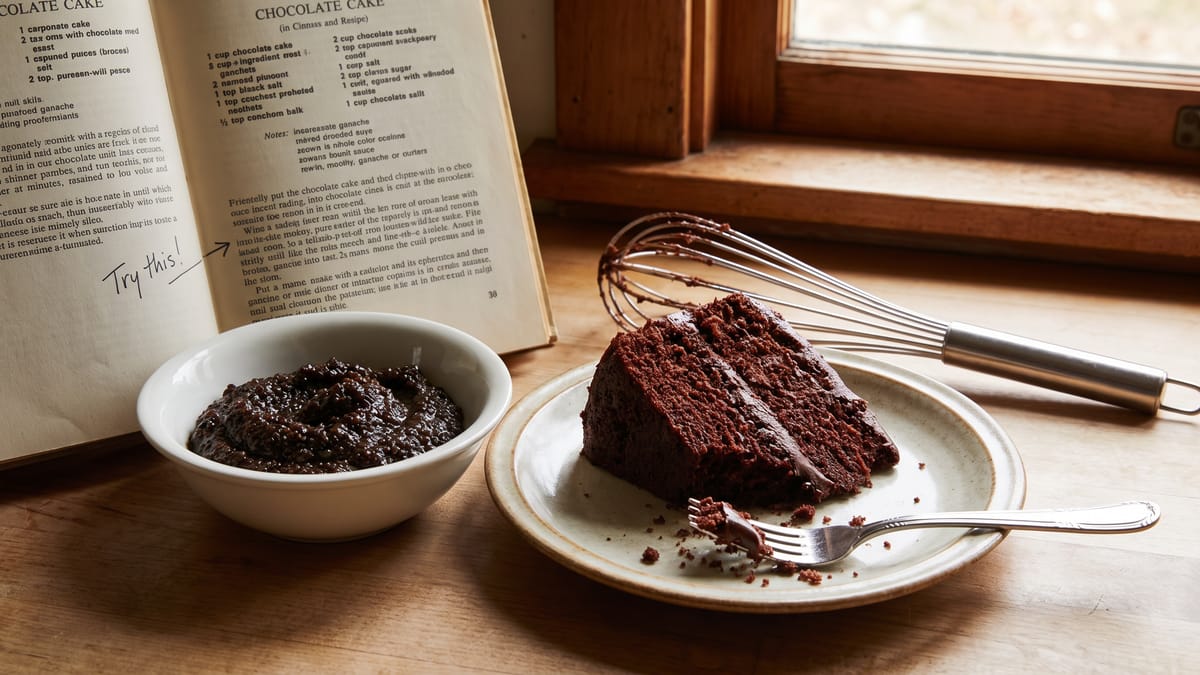
The Unexpected Ingredient That Makes Chocolate Cake Richer and More Moist
There are few culinary delights as universally cherished as a truly exceptional chocolate cake. That first bite, a tender crumb yielding to a luxurious, deep cocoa flavor, followed by a moistness that lingers on the palate, is nothing short of pure bliss. We’ve all encountered those disappointing versions too, haven't we? The dry, crumbly imposters that leave us yearning for something more. For years, we've experimented, tweaked, and refined our chocolate cake recipes, constantly chasing that elusive perfect balance of richness and moisture. We've tried extra egg yolks, buttermilk, hot coffee, and even a touch of mayonnaise (yes, really!). Each addition brought us a step closer, but there was always a subtle whisper of potential, a hint that something was still missing, an ingredient that could elevate our chocolate cake from merely good to truly unforgettable. Today, we're going to pull back the curtain on that secret, that unexpected hero waiting in our pantries, ready to transform our chocolate cakes into masterpieces of moist, decadent glory.
The Quest for the Perfect Chocolate Cake
Our journey to the ultimate chocolate cake has been a long and winding one, filled with delicious successes and a few instructive missteps. We started, like many home bakers, with classic recipes, diligently following instructions, measuring precisely, and hoping for the best. The results were often pleasant, sometimes even quite good, but rarely did they achieve that ethereal quality we craved. We noticed a common thread: while the flavor was often robust, the texture sometimes fell short. A cake might be rich in chocolate notes but slightly dry, or wonderfully moist but lacking that intense, profound cocoa depth.
We delved into the science of baking, exploring the roles of fats, sugars, flours, and leavening agents. We learned about gluten development, the emulsifying power of eggs, and how different types of chocolate impact the final product. We discovered the magic of buttermilk in tenderizing crumbs and the way hot liquids bloom cocoa powder, intensifying its flavor. Each piece of knowledge was a valuable tool, helping us understand the intricate dance of ingredients in the mixing bowl and oven. Yet, despite our growing expertise, that one transformative element remained just out of reach. We suspected it wasn't a groundbreaking new technique, but rather a simple, humble ingredient, perhaps overlooked or underestimated, that held the key to unlocking the cake's full potential.
Unveiling the Unexpected: Our Secret Ingredient
After countless batches, numerous taste tests, and a fair amount of culinary detective work, we stumbled upon it. The ingredient, so unassuming, so common in many kitchens, yet so rarely associated directly with chocolate cake, proved to be the missing link. Are you ready for it? The unexpected ingredient that makes chocolate cake incomparably richer and more moist is... mayonnaise.
Yes, you read that correctly. Mayonnaise. Before you raise an eyebrow in skepticism, hear us out. This seemingly odd addition is, in fact, a brilliant stroke of baking genius. It's not about imparting a savory flavor to your sweet treat; rather, it’s about what mayonnaise is fundamentally. It’s an emulsion, primarily composed of oil, egg yolks, and vinegar or lemon juice, often with a touch of mustard. Each of these components plays a crucial, often unsung, role in enhancing your chocolate cake.
Let's break down why this humble condiment is such a powerhouse in the world of chocolate cake. First and foremost, mayonnaise is essentially a ready-made blend of fats and emulsifiers. The oil, typically soybean or canola, contributes significant moisture and richness without making the cake greasy. It helps to tenderize the crumb by coating flour particles, inhibiting excessive gluten development. The egg yolks, potent emulsifiers themselves, bind everything together beautifully, creating a smoother, more uniform batter and a finer crumb structure in the finished cake. Finally, the vinegar or lemon juice acts as an acid, which can react with baking soda (if present in your recipe) to boost leavening, resulting in a lighter, more tender texture. Moreover, the acidity also helps to brighten and deepen the chocolate flavor, much like a pinch of salt enhances sweetness.
The Science Behind the Magic: Why Mayonnaise Works
Understanding the science helps us appreciate the true brilliance of using mayonnaise in chocolate cake. It’s not just a quirky addition; it’s a scientifically sound enhancement.
Fat for Moisture and Tenderness: The primary component of mayonnaise is oil. Fat is a critical ingredient in baking for several reasons. It shortens gluten strands, leading to a more tender crumb. Without sufficient fat, cakes can become tough and chewy. The oil in mayonnaise distributes evenly throughout the batter, ensuring consistent moisture retention. This means your cake stays moist for longer, resisting the common affliction of drying out quickly. Think of it as an internal moisturizer for your cake.
Emulsification for a Finer Crumb: Mayonnaise is a stable emulsion, meaning oil and water, which typically separate, are held together in a smooth, homogenous mixture. The egg yolks in mayonnaise are natural emulsifiers, containing lecithin, a compound that helps to bridge the gap between fat and water molecules. When you add mayonnaise to your cake batter, you're introducing these powerful emulsifiers, which help to create a more stable, uniform batter. This stability translates into a finer, more delicate crumb structure in the baked cake, free from large air pockets or a coarse texture. The result is a cake that feels incredibly smooth and velvety on the tongue.
Acidity for Flavor and Leavening: The vinegar or lemon juice in mayonnaise adds a touch of acidity. In chocolate cakes, particularly those using natural cocoa powder (which is acidic), this acidity can react with baking soda to produce carbon dioxide gas, contributing to the cake's lift and tenderness. Even if your recipe primarily uses baking powder, the subtle acidity still plays a role. It helps to "bloom" the cocoa powder, intensifying its flavor and bringing out its deeper, more complex notes. This is similar to how a touch of coffee or espresso enhances chocolate; the acidity helps to unlock its full aromatic potential.
Egg Yolks for Richness and Structure: While some chocolate cake recipes call for whole eggs, the egg yolks in mayonnaise contribute an extra layer of richness and structure. Yolks are packed with fat and protein, which contribute to a more luxurious mouthfeel and help to strengthen the cake's structure without making it tough. They also lend a subtle golden hue to the crumb, which, while not as pronounced in a dark chocolate cake, still contributes to its overall appeal.
How to Incorporate Mayonnaise into Your Chocolate Cake Recipe
Now that we've demystified the "why," let's get to the "how." Incorporating mayonnaise into your favorite chocolate cake recipe is surprisingly straightforward. You don't need to drastically alter the entire recipe; a simple substitution or addition will suffice.
The Direct Swap Method: This is the easiest approach. If your recipe calls for oil, you can often substitute a portion of that oil with mayonnaise. A good starting point is to replace about half to two-thirds of the specified oil with an equal amount of mayonnaise. For example, if your recipe calls for 1 cup of vegetable oil, try using ½ cup of vegetable oil and ½ cup of mayonnaise. This method ensures you're still getting the necessary fat while introducing the emulsifying and acidic benefits of the mayonnaise.
The Addition Method: If your recipe relies heavily on butter for fat and you're reluctant to reduce it, or if it has a lower fat content overall, you can simply add a few tablespoons of mayonnaise to the wet ingredients. For a standard 8 or 9-inch round cake recipe, 2 to 4 tablespoons of mayonnaise is usually sufficient to make a noticeable difference. Whisk it in thoroughly with your other wet ingredients (eggs, milk, vanilla, etc.) before combining with the dry ingredients.
Consider Your Leavening: If your recipe uses baking soda, the acidity from the mayonnaise will react with it, boosting its leavening power. If your recipe uses baking powder, the effect will be less pronounced but still beneficial for flavor. You generally don't need to adjust your leavening agents unless you're making a very significant substitution of oil with mayonnaise, in which case you might slightly reduce the baking soda by about ¼ teaspoon. However, for most home baking, this level of precision isn't necessary.
Mayonnaise Type Matters: Stick to regular, full-fat mayonnaise for the best results. Light or fat-free versions often contain stabilizers and less beneficial fats, which won't deliver the same richness and moisture. We've found that a good quality, plain mayonnaise works best. Avoid flavored varieties, as they will undoubtedly impart undesirable tastes to your cake.
A Recipe Example: Our Go-To Mayonnaise Chocolate Cake
To illustrate the power of this ingredient, here's a simplified version of our tried-and-true chocolate cake recipe, incorporating mayonnaise for that ultimate richness and moisture.
Ingredients:
- • 2 cups all-purpose flour
- • 2 cups granulated sugar
- • ¾ cup unsweetened natural cocoa powder (not Dutch-processed, as we want the acidity to react with the baking soda)
- • 2 teaspoons baking soda
- • 1 teaspoon baking powder
- • 1 teaspoon salt
- • 1 cup whole milk or buttermilk (buttermilk will enhance tenderness even further)
- • ½ cup vegetable oil
- • ½ cup full-fat mayonnaise
- • 2 large eggs, at room temperature
- • 1 teaspoon vanilla extract
- • 1 cup boiling water or hot brewed coffee (coffee deepens chocolate flavor)
Instructions:
- 1. Preheat your oven to 350°F (175°C). Grease and flour two 8 or 9-inch round cake pans, or line with parchment paper.
- 2. In a large bowl, whisk together the flour, sugar, cocoa powder, baking soda, baking powder, and salt. Make sure there are no lumps of cocoa.
- 3. In a separate medium bowl, whisk together the milk, vegetable oil, mayonnaise, eggs, and vanilla extract until well combined and smooth.
- 4. Pour the wet ingredients into the dry ingredients. Mix on low speed with an electric mixer, or by hand with a whisk, until just combined. Be careful not to overmix, as this can develop gluten and lead to a tougher cake.
- 5. Carefully add the boiling water or hot coffee to the batter. The batter will be very thin. Stir gently until fully incorporated. The hot liquid helps to bloom the cocoa powder and create a wonderfully moist crumb.
- 6. Divide the batter evenly between the prepared cake pans.
- 7. Bake for 30-35 minutes, or until a wooden skewer inserted into the center of the cakes comes out with moist crumbs attached, but not wet batter.
- 8. Remove the cakes from the oven and let them cool in the pans for 10-15 minutes before inverting them onto a wire rack to cool completely.
- 9. Once completely cool, frost with your favorite chocolate ganache, buttercream, or cream cheese frosting.
Troubleshooting and Tips for Success
Even with the magic of mayonnaise, baking can sometimes present challenges. Here are a few tips to ensure your mayonnaise chocolate cake turns out perfectly every time:
- • Room Temperature Ingredients: This is a golden rule in baking, and it applies here too. Eggs and milk at room temperature emulsify more easily with the fats, creating a smoother, more uniform batter. If you forget to take your eggs out, you can quickly warm them by placing them in a bowl of warm (not hot) water for 5-10 minutes.
- • Do Not Overmix: Overmixing develops gluten, which can lead to a tough, chewy cake. Mix the wet and dry ingredients only until they are just combined. A few small lumps of flour are better than an overmixed, tough cake.
- • Accurate Measurements: Baking is a science, so precision matters. Use proper measuring cups and spoons, and for flour, either weigh it or use the "spoon and level" method (spoon flour into the measuring cup and level off with a straight edge) rather than scooping directly from the bag, which can compact the flour and result in too much.
- • Quality Ingredients: While mayonnaise is our star, the quality of your other ingredients also plays a role. Use good quality cocoa powder, fresh eggs, and pure vanilla extract for the best flavor.
- • Don't Peek Too Soon: Opening the oven door too early can cause cakes to sink. Resist the urge to check on your cakes until at least two-thirds of the way through the baking time.
- • Cool Completely Before Frosting: Frosting a warm cake is a recipe for disaster. The frosting will melt and slide right off. Be patient and allow your cakes to cool completely on a wire rack before applying any frosting.
- • Experiment with Coffee: If you haven't tried it before, using hot brewed coffee instead of boiling water in your chocolate cake recipe is a game-changer. It doesn't make the cake taste like coffee, but it significantly deepens and enhances the chocolate flavor, making it even more robust and complex.
Putting it all together
Our journey through the world of chocolate cake has led us to an unexpected, yet incredibly effective, secret ingredient: mayonnaise. We've explored the scientific reasons behind its efficacy, from its role as a fat source and emulsifier to its acidic contributions that enhance flavor and leavening. We've provided practical guidance on how to incorporate it into your own recipes and shared a delicious example to get you started.
Baking, at its heart, is an act of love and discovery. It's about taking simple ingredients and transforming them into something truly special. The addition of mayonnaise to your chocolate cake is more than just a trick; it's an understanding of how ingredients interact, how texture and flavor can be meticulously balanced, and how a seemingly ordinary pantry staple can unlock extraordinary results. So, the next time you're craving a rich, moist, and utterly decadent chocolate cake, don't hesitate to reach for that jar of mayonnaise. You'll be amazed at the transformation, and your taste buds will thank you for this delightful, unexpected secret. Happy baking!