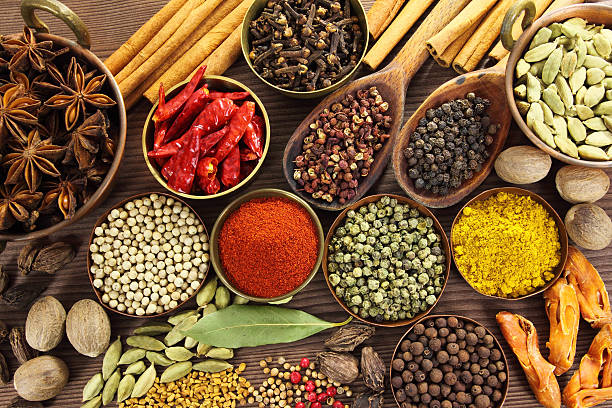
The Surprising Origins of Common Kitchen Spices
The Surprising Origins of Common Kitchen Spices
Introduction
If you’ve ever taken a whiff of freshly ground peppercorns or sprinkled some cinnamon onto your morning oatmeal, you might think of these spices as simple flavor enhancers. However, the origins of these kitchen staples are rich and fascinating, steeped in history, culture, and trade. In this post, we’ll embark on a flavorful journey through time to explore the surprising origins of some of the most common kitchen spices, their uses, and how you can incorporate them into your cooking for a delightful twist.
The Spice Trade: A Brief History
Before we dive into specific spices, it’s important to understand the context in which they gained popularity. The spice trade dates back thousands of years, with ancient civilizations using spices not only for flavoring but also for preservation, medicine, and religious rituals. The desire for spices like pepper and cinnamon drove explorers to new lands, leading to the Age of Discovery and a global exchange of goods and ideas.
Common Kitchen Spices and Their Origins
Let’s explore some common kitchen spices, where they come from, and how to use them in your cooking.
1. Black Pepper (Piper nigrum)
Origin: Native to the Malabar Coast of India, black pepper has been a prized spice for over 4,000 years. It was known as “black gold” in ancient times, often used as currency and a status symbol.
Uses: Black pepper is incredibly versatile. It can enhance almost any dish, from savory to sweet.
Cooking Tips:
- • Freshly Ground: For maximum flavor, always prefer freshly ground black pepper over pre-ground.
- • Pairing: It complements meats, vegetables, and even desserts like chocolate.
2. Cinnamon (Cinnamomum verum)
Origin: The ancient Egyptians valued cinnamon for its fragrant aroma and used it in embalming processes. It was so treasured that it was considered more precious than gold.
Uses: Cinnamon can bring warmth to both sweet and savory dishes.
Cooking Tips:
- • Types of Cinnamon: There are two main types: Ceylon (true cinnamon) and cassia. Ceylon is sweeter and more delicate; cassia is bolder.
- • Infusing: Add a stick of cinnamon to soups or stews for a depth of flavor, or sprinkle ground cinnamon on oatmeal for breakfast.
3. Turmeric (Curcuma longa)
Origin: This vibrant yellow spice has its roots in Southeast Asia and has been used in cooking and traditional medicine for over 4,000 years.
Uses: Turmeric is known for its earthy, slightly bitter flavor and health benefits, thanks to its active compound, curcumin.
Cooking Tips:
- • Color Boost: Add turmeric to rice or grain dishes for a stunning color and health boost.
- • Golden Milk: Make a soothing drink by mixing turmeric with warm milk and honey.
4. Cumin (Cuminum cyminum)
Origin: Cumin is believed to have originated in the eastern Mediterranean and India. It has been used since ancient times, referenced in the Bible and Egyptian tombs.
Uses: Cumin adds a warm, nutty flavor to dishes and is a staple in many cuisines, especially in Mexican and Indian cooking.
Cooking Tips:
- • Toasting: Enhance cumin’s flavor by toasting the seeds in a dry pan before adding them to your dishes.
- • Pairing: It works well with beans, lentils, and roasted vegetables.
5. Oregano (Origanum vulgare)
Origin: Oregano is native to Europe, particularly Greece, and has been used since ancient times for its medicinal properties and culinary uses.
Uses: This herb is widely associated with Italian and Mediterranean cuisines.
Cooking Tips:
- • Dried vs. Fresh: Dried oregano is more potent than fresh, so use less when substituting.
- • Infusion: Add oregano to marinades or sauces for a burst of flavor.
6. Chili Powder (Capsicum annuum)
Origin: Chili powder, a blend of dried chilies and spices, has roots in Central and South America. It became popular in Europe after the Columbian Exchange brought chili peppers to the Old World.
Uses: Adds heat and flavor to a variety of dishes.
Cooking Tips:
- • Heat Level: Different chili powders vary in heat, so start with a small amount and adjust to taste.
- • Marinades: Mix chili powder with olive oil, garlic, and lime juice for a zesty marinade.
7. Ginger (Zingiber officinale)
Origin: Ginger has been cultivated for thousands of years, primarily in Southeast Asia. It was a popular spice in ancient Rome and was used in both cooking and medicine.
Uses: Ginger imparts a warm, spicy flavor and is widely used in both sweet and savory dishes.
Cooking Tips:
- • Fresh vs. Ground: Fresh ginger has a more potent flavor than dried; adjust your recipes accordingly.
- • Tea: Brew fresh ginger in hot water with honey and lemon for a soothing tea.
How to Store Spices for Maximum Freshness
To make the most of your spices, proper storage is crucial. Here are some tips:
- • Keep it Cool: Store spices in a cool, dark place away from direct sunlight and heat.
- • Airtight Containers: Use airtight containers to prevent moisture and air from degrading the spices.
- • Labeling: Always label your spices with the purchase date. Most spices have a shelf life of 1-3 years, but their potency may diminish over time.
Incorporating Spices into Everyday Cooking
Now that you know the origins and uses of these spices, let’s talk about how to incorporate them into your daily cooking routine.
Spice Blends
Creating your own spice blends can elevate your dishes and allow you to control flavors and heat levels. Here are a few simple blends to try:
| Blend Name | Ingredients | Use |
|---|---|---|
| Taco Seasoning | 1 tbsp chili powder, 1 tsp cumin, 1 tsp garlic powder, 1 tsp onion powder, 1 tsp oregano | Perfect for taco night! |
| Garam Masala | 1 tsp cumin, 1 tsp coriander, 1/2 tsp cardamom, 1/2 tsp cinnamon, 1/2 tsp black pepper | Great in Indian dishes. |
| Italian Herb Mix | 1 tbsp dried oregano, 1 tbsp dried basil, 1 tsp thyme, 1 tsp rosemary | Ideal for pasta sauces and marinades. |
Experimenting with Flavors
Don’t be afraid to experiment with spices in your cooking. Here are some practical ways to do so:
- • Unexpected Pairings: Try adding a pinch of cinnamon to savory dishes like chili or curry to enhance the flavor profile.
- • Infused Oils: Create your own infused oils by steeping spices like garlic, rosemary, or chili in olive oil. Use it for drizzling on salads or pasta.
- • Sweet and Spicy: Combine spices like ginger and cinnamon in baked goods for a unique twist on traditional recipes, such as gingerbread cookies or spiced muffins.
Spice Substitutions: When in a Pinch
Sometimes you might find yourself without a certain spice. Here are some substitutions that can save the day:
| Spice | Substitute |
|---|---|
| Black Pepper | White pepper or crushed red pepper |
| Oregano | Marjoram or thyme |
| Cumin | Coriander or chili powder |
| Ginger | Ground ginger or allspice |
| Cinnamon | Nutmeg or mace |
Conclusion
The world of spices is not only a culinary delight but also a journey through history and culture. By understanding the origins of these common kitchen spices, you can appreciate them more and enhance your cooking with their unique flavors. Whether you’re experimenting with new spice blends or incorporating historical recipes into your meals, remember that the kitchen is your playground. So, roll up your sleeves, get creative, and let the flavors of the world inspire you in your cooking adventures. Happy cooking!