The Secret to Juicy Chicken Was Hiding in My Kitchen the Entire Time
We've all been there, haven't we? Standing over a perfectly roasted chicken, carving it with anticipation, only to find the breast meat dry and stringy, a culinary disappointment. For years, this was our recurring nightmare in the kitchen. We tried every trick in the book: brining for hours, basting religiously, even attempting the seemingly magical spatchcocking technique. While some methods yielded marginal improvements, that elusive, consistently juicy chicken remained just out of reach. It felt like a culinary secret, guarded by seasoned chefs and passed down through generations we weren't a part of. But then, a revelation struck, not in a fancy cookbook or a high-end cooking class, but right there, amidst the everyday tools in our very own kitchen. The secret to consistently succulent chicken, from breast to thigh, was hiding in plain sight, patiently awaiting its moment to shine. And today, we're going to pull back the curtain and share this game-changing discovery with you.
The Perennial Problem: Why Our Chicken Dries Out
Before we dive into the solution, let's first dissect the problem. Why does chicken, particularly the lean breast meat, have such a propensity for dryness? The answer lies in its biological makeup and our cooking methods. Chicken muscle fibers are relatively delicate. When exposed to heat, these proteins contract, squeezing out moisture. Overcooking exacerbates this, leaving us with that unappealing, chalky texture. Different parts of the chicken also cook at different rates. The breast, being leaner, cooks faster than the fattier, more connective tissue-rich thighs and drumsticks. This inherent disparity creates a challenge: how do we ensure the breast is cooked through but not overcooked, while the darker meat reaches its tender, fall-off-the-bone perfection? This delicate balance is often where home cooks falter, sacrificing the breast for the sake of the thigh, or vice versa.
Our Journey Through the Wilderness of Dry Chicken
Our personal odyssey through the realm of dry chicken was a long and often frustrating one. We meticulously followed recipes, invested in fancy thermometers, and even experimented with exotic marinades, hoping to infuse enough moisture to withstand the heat.
The Brining Binge: A Partial Solution
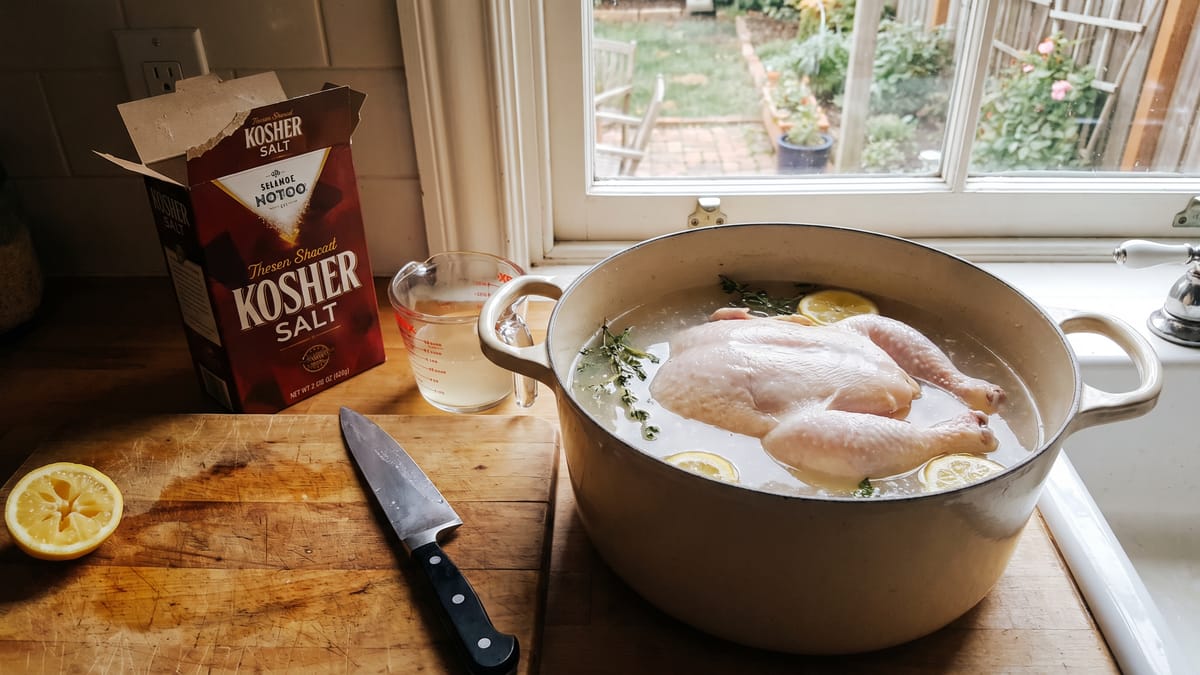
For a while, brining seemed like the holy grail. Submerging chicken in a salt and sugar solution for several hours, or even overnight, does indeed work wonders. The salt helps to denature the proteins, allowing them to absorb more water, and also adds flavor. We achieved noticeably juicier results with brining, especially for whole roasted chickens. However, brining isn't always practical. It requires foresight, extra space in the refrigerator, and can sometimes make the chicken a bit too salty if not done correctly. Plus, for a quick weeknight meal, the extra time commitment felt like an insurmountable hurdle. We needed something more immediate, more versatile, something that didn't demand such extensive pre-planning.
The Basting Brouhaha: More Work, Less Reward
Then came the basting phase. We'd dutifully open the oven door every 15-20 minutes, slathering the chicken with its own juices, butter, or a flavorful glaze. The theory was sound: keep the surface moist, prevent it from drying out, and build up a beautiful, golden-brown crust. In practice, however, basting often led to fluctuating oven temperatures, prolonging the cooking time, and frankly, a lot of unnecessary effort. The results were often inconsistent, and the breast meat, despite our best efforts, still tended to lean towards the drier side. We learned that while basting can contribute to a lovely skin, it does little to actively re-introduce moisture into the meat itself.
The Spatchcocking Saga: A Step in the Right Direction
Spatchcocking, or butterflying, a whole chicken, was another technique we embraced with enthusiasm. By removing the backbone and flattening the bird, it cooks more evenly and quickly. This significantly reduced the disparity between breast and thigh cooking times. We saw genuine improvement here, with both white and dark meat reaching a more harmonious state of doneness. The skin also crisped up beautifully. Spatchcocking became our go-to for whole roasted chickens. But what about individual pieces, like boneless, skinless chicken breasts, or quick-cooking thighs for stir-fries? Spatchcocking wasn't the universal solution we craved. We still needed something that could elevate the everyday chicken dish, making it reliably moist and tender without elaborate preparation.
The Epiphany: A Simple Tool, A Profound Impact
The moment of truth arrived, as so many culinary breakthroughs do, through a combination of frustration and serendipity. We were preparing chicken cutlets, pounded thin for a quick pan-fry. As we reached for our trusty meat mallet, a thought sparked. If pounding chicken thin helps it cook quickly and evenly, preventing dryness, what if we applied a similar principle, but with a different focus?
And that's when we remembered our humble meat thermometer. Not just any meat thermometer, but the instant-read kind. For years, we'd used it to check for doneness, but we hadn't fully appreciated its power as a preventative tool, rather than just a diagnostic one. The real secret wasn't just using the thermometer, but how we used it, and in conjunction with a very simple, often overlooked technique.
The Unsung Hero: The Instant-Read Thermometer, Reimagined
We always knew the safe internal temperature for chicken was 165°F (74°C). But our revelation wasn't about hitting that number; it was about anticipating it. Chicken continues to cook after it's removed from the heat, a phenomenon known as "carryover cooking." For leaner cuts like chicken breast, this carryover can be significant, raising the internal temperature by several degrees. This means that if we cook our chicken to a full 165°F in the pan or oven, by the time it rests, it's likely soared to 170°F or even higher, guaranteeing dryness.
Our game-changing approach was to pull the chicken off the heat before it reached its target temperature, allowing carryover cooking to do the rest. For chicken breasts, we now aim for 155-160°F (68-71°C), knowing that during a 5-10 minute rest, it will comfortably climb to the safe 165°F, often even reaching a perfect 162-163°F, yielding an incredibly juicy result. For thighs, which are more forgiving, we might aim a little higher, around 165-170°F (74-77°C), as the extra fat and connective tissue benefit from a slightly longer cook.
The Second Pillar: The Power of Resting
This brings us to the second, equally crucial part of the secret: resting. We can't emphasize this enough. Resting meat, especially chicken, is non-negotiable for juiciness. When meat cooks, the muscle fibers contract, pushing the juices towards the center. If you cut into it immediately, those juices will gush out, leaving you with a dry piece of meat and a puddle on your cutting board. Resting allows the muscle fibers to relax and reabsorb those precious juices, distributing them evenly throughout the meat.
For smaller pieces like chicken breasts or thighs, a 5-10 minute rest, loosely tented with foil, is usually sufficient. For a whole roasted chicken, 15-20 minutes is ideal. This resting period isn't just a waiting game; it's an active part of the cooking process, essential for achieving that tender, succulent texture we all crave.
The Trifecta of Tenderness: A Practical Guide
So, the secret, in its simplest form, is a trifecta of techniques, all centered around respecting the delicate nature of chicken and understanding how heat truly affects it.
Precision Temperature Control
Invest in a good quality instant-read thermometer. This is not an optional gadget; it's a fundamental tool for consistently juicy chicken. We recommend a digital model that gives you a reading in a matter of seconds. Calibrate it periodically to ensure accuracy.
The Pull-Early Principle
For chicken breasts, aim to remove them from the heat when they reach an internal temperature of 155-160°F (68-71°C) at their thickest part. For thighs and drumsticks, a slightly higher target of 165-170°F (74-77°C) is often beneficial due to their higher fat content and connective tissues that break down more effectively at slightly higher temperatures. Remember, the goal is to let carryover cooking bring it to the final, safe temperature of 165°F (74°C).
The Sacred Rest
Always, always, always rest your chicken. Loosely tent it with foil to retain some heat, but don't seal it tightly, as this can steam the skin and make it less crispy. This resting period is where the magic truly happens, allowing the juices to redistribute and ensuring every bite is moist and flavorful.
Beyond the Basics: Enhancing Your Juicy Chicken Game
While the thermometer and resting are the core of our discovery, there are other complementary techniques that can elevate your chicken to new heights of deliciousness.
The Art of Pounding
For boneless, skinless chicken breasts, pounding them to an even thickness is a simple yet incredibly effective step. This ensures uniform cooking, preventing the thinner edges from drying out while the thicker parts cook through. Place the breast between two pieces of plastic wrap and use a meat mallet or a heavy rolling pin to gently pound it to about 1/2 to 3/4 inch thickness.
The Sear and Finish Method
For pan-seared chicken, consider the sear and finish method. Start by searing the chicken breasts or thighs over medium-high heat to develop a beautiful, golden crust. Then, transfer them to a preheated oven to finish cooking. This allows for even cooking and reduces the risk of burning the exterior while the interior struggles to cook. This method works particularly well for thicker cuts.
The Low and Slow Roasting Revelation
For whole chickens or larger pieces, experimenting with lower oven temperatures for a longer duration can yield incredibly tender and juicy results. A temperature of 325-350°F (160-175°C) allows the chicken to cook gently, giving the connective tissues more time to break down, resulting in a more succulent texture throughout.
Marinades and Brines: Still Valuable Allies
While not the secret to juiciness, marinades and brines still play a vital role in flavor and can offer an extra layer of moisture security. A good marinade, especially one with acidic components like lemon juice or vinegar, or enzymatic ingredients like buttermilk, can tenderize the meat and infuse it with flavor. Brining, as we mentioned earlier, is excellent for adding moisture and seasoning from the inside out. When using these, remember that they complement, rather than replace, the essential techniques of temperature control and resting.
Don't Fear the Fat
For chicken thighs and drumsticks, embrace the fat and skin. These elements contribute immensely to flavor and moisture. When roasting or pan-frying, allow the skin to crisp up beautifully. The rendered fat also self-bastes the meat, adding to its succulence. If you're concerned about excess fat, you can always remove the skin after cooking, but we encourage you to enjoy it in moderation for the full culinary experience.
Our Journey, Your Kitchen
We remember the days of hesitant bites, always bracing ourselves for that inevitable dryness. Now, every chicken dish we prepare, whether it's a simple pan-seared breast or a grand roasted bird, is met with confidence. The difference is palpable, not just in texture but in the sheer enjoyment of our meals. It's a testament to how often the most profound culinary wisdom isn't found in exotic ingredients or complex techniques, but in a deeper understanding of the ingredients we already use and the tools we already possess.
Putting It All Together
The journey from dry, disappointing chicken to consistently juicy, flavorful poultry was a personal revelation, but it’s one we enthusiastically share with you. The secret, as it turned out, wasn't some arcane culinary spell or an expensive, specialized gadget. It was a simple, instant-read thermometer, used with newfound insight, and the often-underestimated power of resting. By understanding carryover cooking and pulling our chicken off the heat a few degrees shy of its final target, we unlocked a world of tender, succulent possibilities. This shift in perspective, from merely checking for doneness to proactively managing temperature, coupled with the crucial resting period, has transformed our chicken cookery. We encourage you to embrace these straightforward techniques, to trust your thermometer, and to grant your cooked chicken the precious moments of rest it deserves. Your taste buds, and your family, will undoubtedly thank you.