The Science of Heat: How to Control Your Burners for Better Cooking
Introduction
Have you ever wondered why your stir-fry turns soggy, your steak doesn’t sear, or your soup boils over? The answer often lies in how you control heat. Heat is the invisible force that transforms raw ingredients into delicious meals, and mastering it is the key to becoming a better cook. Whether you’re a beginner or a seasoned home chef, understanding the science of heat and how to use your burners can elevate every dish you make.
In this guide, we’ll break down the basics of heat, explore different burner types, and share practical tips for controlling temperature. By the end, you’ll know how to harness heat for perfect results—every time.
Why Heat Control Matters
Cooking is more than following a recipe—it’s about managing energy. The right amount of heat can:
- • Unlock flavor. Browning, caramelization, and Maillard reactions all depend on precise heat.
- • Create texture. Crispy, tender, creamy, or chewy—heat determines the final mouthfeel.
- • Ensure safety. Proper heat kills bacteria and makes food safe to eat.
- • Prevent waste. Overcooking or burning can ruin ingredients and meals.
The Science Behind Heat
What Is Heat?
Heat is a form of energy that moves from a hotter object to a cooler one. In cooking, heat transfers from your burner to your pan, then to your food. The three main ways heat moves in the kitchen are:
- • Conduction: Direct contact (e.g., pan to steak)
- • Convection: Movement of fluids or air (e.g., boiling water, oven baking)
- • Radiation: Energy waves (e.g., broiler, grill)
Temperature vs. Heat
- • Temperature is a measure of how hot something is.
- • Heat is the energy transferred.
Types of Burners and How They Work
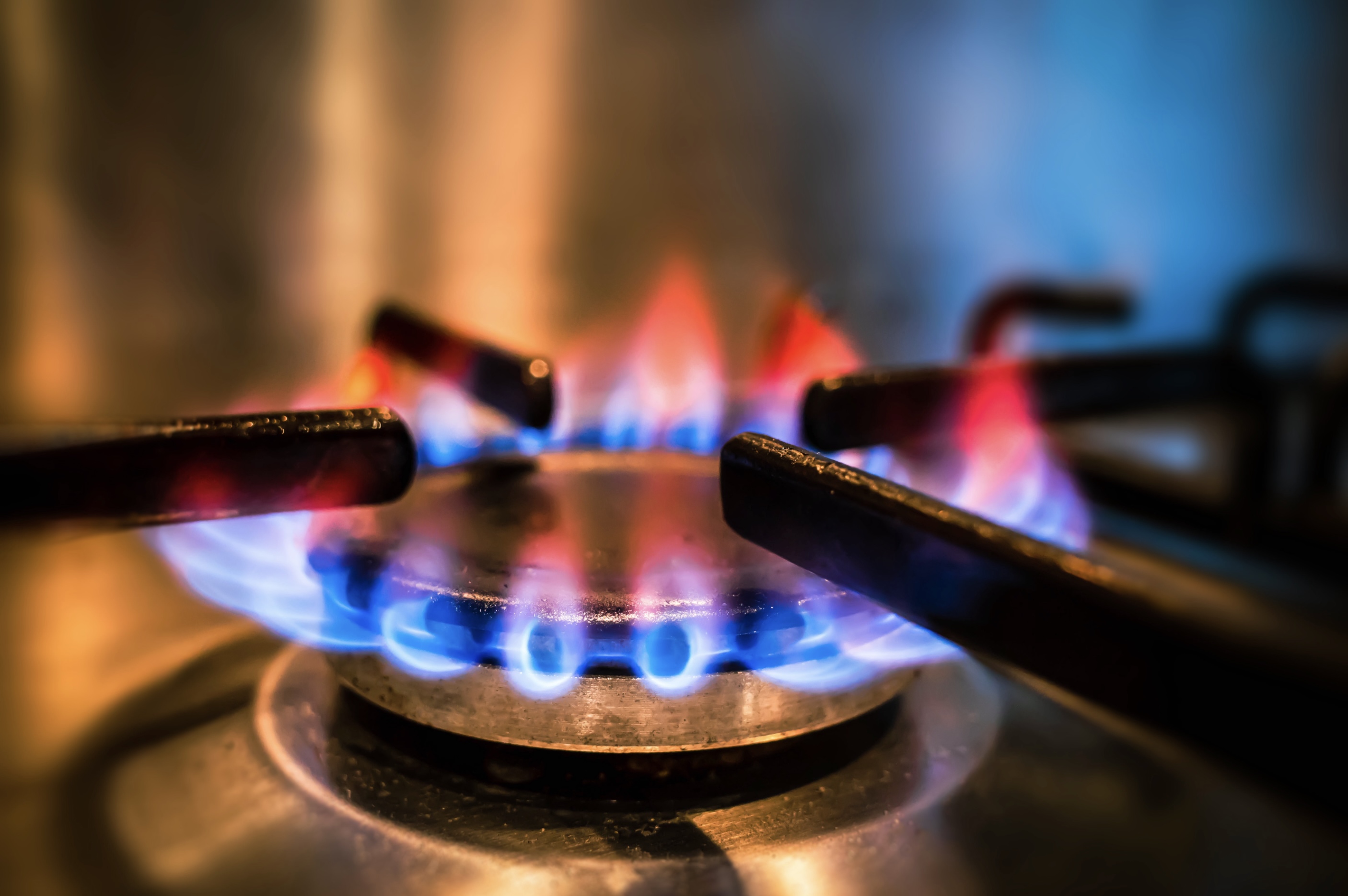
Gas Burners
- • Pros: Instant heat control, visual flame, quick response.
- • Cons: Uneven heat spots, requires ventilation.
Electric Coil Burners
- • Pros: Stable surface, affordable.
- • Cons: Slow to heat up and cool down, less precise control.
Glass-Ceramic (Radiant) Burners
- • Pros: Sleek look, easy to clean.
- • Cons: Slow response, can crack.
Induction Burners
- • Pros: Fast, precise, energy-efficient, cool to the touch.
- • Cons: Requires magnetic cookware, higher cost.
Understanding Heat Levels
Most recipes mention low, medium, or high heat. But what do these mean?
- • Low Heat (Simmer): 200–250°F. Used for gentle cooking, sauces, and soups.
- • Medium Heat: 300–375°F. Sautéing, browning, pancakes.
- • High Heat: 400–450°F. Searing, boiling, stir-frying.
Visual Cues
- • Low: Barely any bubbles, gentle steam.
- • Medium: Steady bubbles, sizzling sounds.
- • High: Rapid bubbles, vigorous sizzling, visible browning.
How to Test and Control Burner Heat
The Water Drop Test
- • Low Heat: Water sits and slowly evaporates.
- • Medium Heat: Water forms small beads and dances.
- • High Heat: Water instantly sizzles and evaporates.
Using Thermometers
Infrared thermometers or probe thermometers can help you check pan or oil temperature for precision.
Preheating Pans
Always preheat your pan before adding food. This ensures even cooking and prevents sticking. For most tasks, 1–2 minutes is enough. For searing, wait until the pan is hot enough that a drop of water sizzles instantly.
Matching Pan to Burner
- • Size matters: Use a pan that matches the burner size for even heat.
- • Material: Cast iron retains heat, stainless steel responds quickly, nonstick is best for delicate foods.
- • Flat bottoms: Ensure full contact for best heat transfer.
Common Cooking Techniques and Heat Control
Searing
- • Goal: Brown the surface for flavor and texture.
- • Heat: High. Preheat pan, add oil, then food. Don’t overcrowd.
Sautéing
- • Goal: Cook quickly with a small amount of fat.
- • Heat: Medium to high. Stir often to prevent burning.
Simmering
- • Goal: Cook gently in liquid.
- • Heat: Low. Look for small bubbles, not a rolling boil.
Boiling
- • Goal: Cook food rapidly in water.
- • Heat: High. Use a lid to speed up boiling.
Steaming
- • Goal: Cook with steam for tenderness.
- • Heat: Medium to high. Water should be boiling but not evaporating too quickly.
Troubleshooting Burner Issues
Uneven Cooking
- • Solution: Rotate pan, stir food, use heavy-bottomed cookware.
Food Sticking
- • Solution: Preheat pan, add enough oil, don’t move food too soon.
Burnt Food
- • Solution: Lower heat, stir more often, use timer.
Boil-Overs
- • Solution: Use larger pot, reduce heat, watch closely.
Safety Tips for Heat Control
- • Never leave burners unattended. Fires can start quickly.
- • Keep handles turned in. Prevents accidental spills.
- • Use oven mitts. Pans and handles get hot fast.
- • Clean spills immediately. Prevents smoke and fire hazards.
Advanced Heat Control: Going Beyond the Basics
Multi-Zone Cooking
Use different burners for different tasks—boil pasta on high, simmer sauce on low.
Resting and Carryover Cooking
Food continues to cook after you remove it from heat. Rest meats and baked goods to finish cooking gently.
Layering Flavors
Start with high heat to brown, then reduce to low for slow cooking. This builds depth and complexity.
Practice: Try These Burner Challenges
- 1. Perfect Sear: Sear a steak or tofu until a golden crust forms, then finish on low heat.
- 2. Simmer Sauce: Make a tomato sauce and keep it at a gentle simmer for 30 minutes.
- 3. Stir-Fry: Use high heat for quick cooking, but don’t overcrowd the pan.
- 4. Boil and Steam: Boil potatoes, then steam broccoli on a separate burner.
Frequently Asked Questions
Why does my food burn on one side?
Your pan or burner may have hot spots. Rotate the pan and stir food for even cooking.
How do I know if my burner is too hot?
If food browns too quickly or oil smokes, lower the heat. Use visual cues and thermometers for accuracy.
Can I use induction cookware on a gas or electric burner?
Yes, as long as the pan is flat and the right size. Induction pans are usually compatible with other burners.
What’s the best pan for heat control?
Cast iron for retention, stainless steel for responsiveness, nonstick for delicate foods.
Conclusion
Heat is the heart of cooking. By understanding how burners work and learning to control temperature, you’ll unlock new levels of flavor, texture, and consistency. Practice, observe, and adjust—soon, you’ll cook with confidence and creativity.
Remember: Every great dish starts with the right amount of heat. Happy cooking!