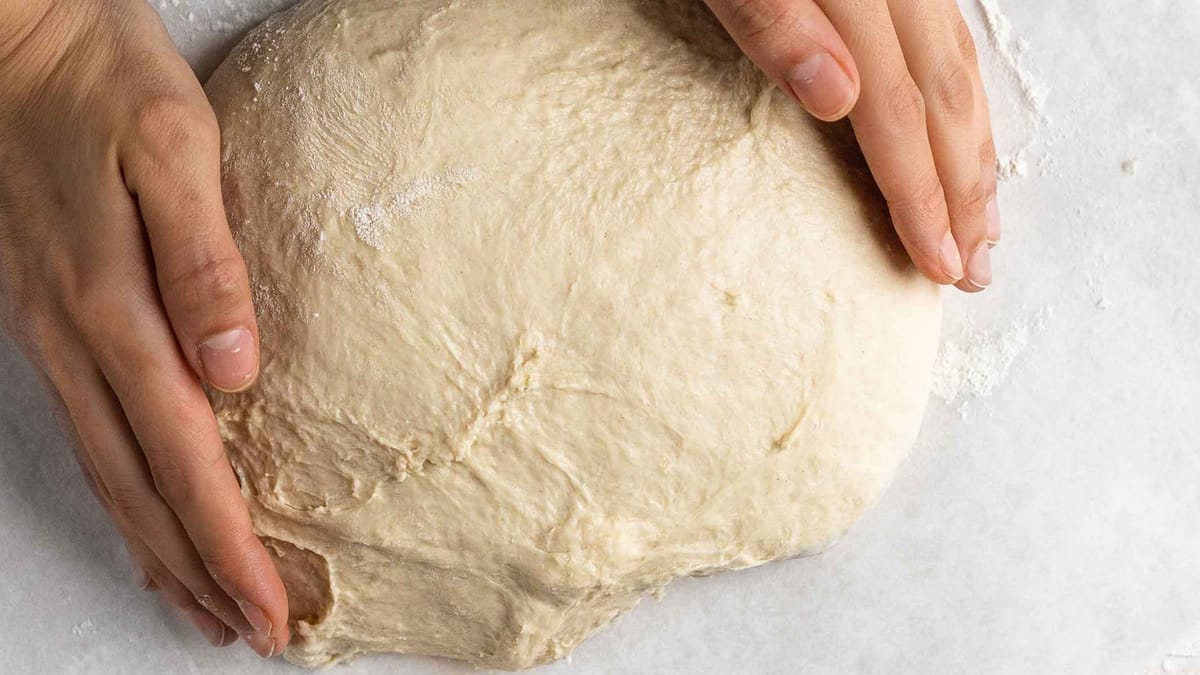
The Science of Gluten(And Why It's Important for Baking)
The Science of Gluten (And Why It's Important for Baking)
When it comes to baking, few topics spark as much debate and interest as gluten. For many home cooks, gluten is a mysterious ingredient that can make or break a loaf of bread, a batch of cookies, or a perfect pie crust. But what exactly is gluten, and why is it so important in the baking process? In this post, we’ll dive into the science of gluten, explore its role in baking, and offer practical tips to help you harness its power in your kitchen.
What is Gluten?
Gluten is a protein found in wheat and related grains like barley and rye. It is formed when two proteins, gliadin and glutenin, come into contact with water and are kneaded or mixed. This process creates a sticky network of proteins that gives dough its elasticity and strength. In simple terms, gluten is what allows bread to rise and gives baked goods their chewy texture.
The Composition of Gluten
Gluten is primarily composed of:
- • Gliadin: This is the component responsible for the dough's ability to rise. It helps the dough to expand by trapping gases produced during fermentation.
- • Glutenin: This provides the structural strength and elasticity. It’s what helps the dough hold its shape during baking.
The Role of Gluten in Baking
Understanding gluten's role in baking can help you manipulate it to achieve desired textures and flavors in your baked goods.
1. Elasticity and Extensibility
- • Elasticity: This refers to the dough's ability to stretch and bounce back. Gluten gives dough its elastic quality, which is crucial for bread and pastries.
- • Extensibility: This is how far the dough can be stretched without tearing. A good balance between elasticity and extensibility is essential for successful baking.
2. Gas Retention
During fermentation, yeast produces carbon dioxide gas, which gets trapped in the gluten network. This is what causes the dough to rise. A well-developed gluten structure will hold onto these gases, resulting in a light and airy texture.
3. Moisture Retention
Gluten also helps retain moisture in baked goods, contributing to their freshness and shelf life. This is particularly important for bread, which can become stale quickly if not properly baked.
The Gluten Development Process
Developing the right amount of gluten in your dough is key to successful baking. Here’s how it works:
- 1. Hydration: When flour is mixed with water, gluten proteins begin to absorb moisture and swell.
- 2. Kneading: This mechanical action helps align the gluten strands, creating a strong network. The more you knead, the more gluten develops.
- 3. Resting: Allowing the dough to rest gives gluten time to relax, making it easier to shape and roll out.
Kneading Techniques
Here are a few techniques for kneading dough effectively:
- • Hand Kneading: Use the heel of your hand to push the dough away from you, then fold it back over itself. Rotate the dough a quarter turn and repeat.
- • Stretch and Fold: For wetter doughs, use a stretch and fold technique. Grab one edge of the dough, stretch it up and fold it over the center. Turn the bowl and repeat.
- • Using a Stand Mixer: If kneading by hand is not your style, a stand mixer with a dough hook can do the work for you. Mix on low speed until combined, then increase to medium for about 5-10 minutes.
Factors Affecting Gluten Formation
Several factors can influence gluten development in your dough. Being mindful of these can help you achieve the best results.
1. Type of Flour
Different types of flour contain varying levels of protein, which affects gluten formation. Here’s a quick reference:
| Type of Flour | Protein Content | Best Uses |
|---|---|---|
| All-Purpose Flour | 10-12% | General baking, cookies, muffins |
| Bread Flour | 12-14% | Yeast breads, pizza dough |
| Cake Flour | 7-9% | Cakes, pastries |
| Whole Wheat Flour | 13-15% | Whole grain breads |
2. Hydration Levels
The amount of water in your dough also affects gluten formation. Higher hydration levels can lead to a more extensible dough, while lower hydration can create a stiffer dough.
3. Mixing Time
Over-mixing or under-mixing can impact gluten development. Too little mixing can result in a weak structure, while too much can lead to a tough texture. Aim for a balance that achieves the desired elasticity and extensibility.
Gluten-Free Baking: What You Need to Know
With the rise in popularity of gluten-free diets, many bakers are exploring alternatives. Here’s how to replicate gluten's properties in gluten-free baking:
1. Use Gluten-Free Flours
Some great gluten-free options include:
- • Almond Flour: Adds moisture and richness.
- • Coconut Flour: Very absorbent; often requires additional liquid.
- • Brown Rice Flour: Neutral flavor and good for structure.
- • Sorghum Flour: Adds a mild sweetness.
2. Incorporate Binders
Gluten-free flours often lack the elasticity provided by gluten. To mimic this, use binders like:
- • Xanthan Gum: Provides elasticity and helps retain moisture.
- • Guar Gum: Similar to xanthan gum, it's a thickening agent.
- • Psyllium Husk: Adds structure and moisture retention.
3. Experiment with Blends
Creating a gluten-free flour blend can yield better results. Consider mixing:
- • 40% whole grain flour (like brown rice or millet)
- • 60% starchy flour (like tapioca or potato starch)
Practical Tips for Home Bakers
To help you maximize gluten in your baking endeavors, here are some actionable tips:
- • Start with the Right Flour: Choose flour based on your baking goals. For bread, opt for bread flour; for cakes, use cake flour.
- • Measure Ingredients Accurately: Baking is a science, so use a kitchen scale for precise measurements.
- • Control Temperature: Dough performs best at room temperature. If you're working in a cold environment, consider warming your ingredients slightly.
- • Practice Patience: Allow your dough to rise fully. This helps develop flavor and texture.
- • Don’t Skip the Resting: Letting your dough rest after kneading can significantly improve its texture.
Conclusion
Understanding gluten and its role in baking opens up a world of possibilities for home cooks. By mastering the science behind gluten, you can create a variety of textures and flavors, from chewy artisan breads to delicate pastries. Remember to experiment with flour types, kneading techniques, and hydration levels to find what works best for you. And for those venturing into gluten-free baking, don’t be afraid to explore alternatives and create unique blends that suit your taste.
With these insights and tips in hand, you're well on your way to becoming a more confident and skilled baker. Happy baking!