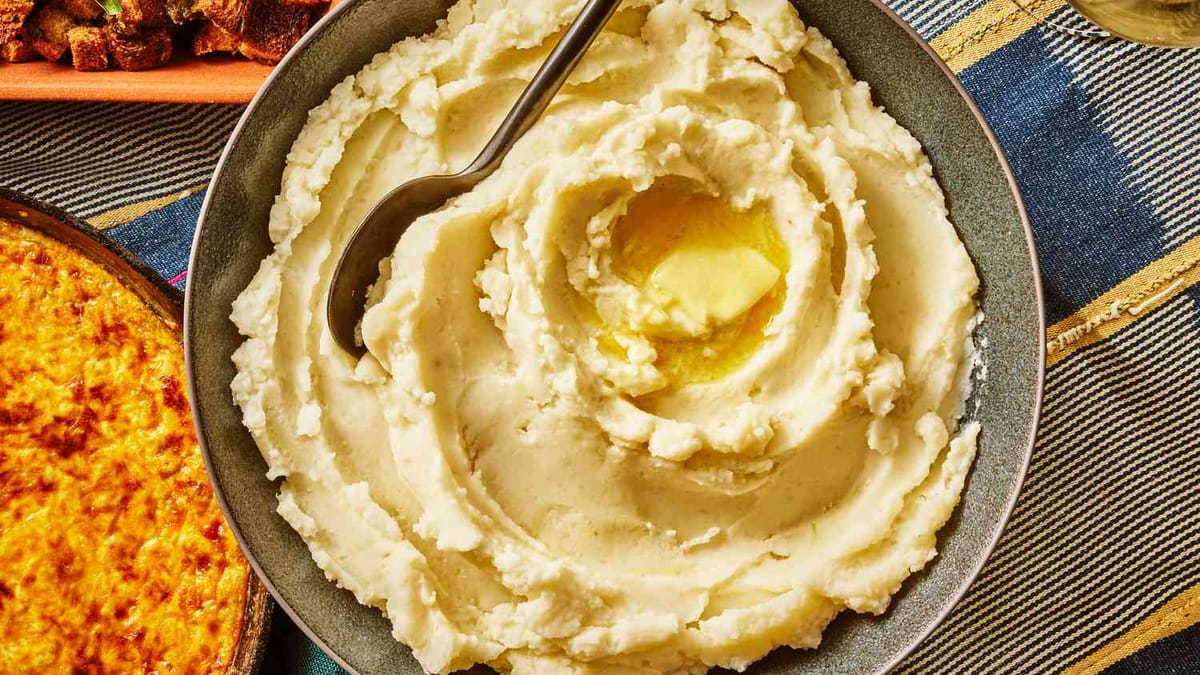
The Science Behind Fluffy Mashed Potatoes
When we think of comfort food, fluffy mashed potatoes often come to mind. There’s something undeniably satisfying about a warm, creamy bowl of them, whether they’re served at a holiday dinner or a simple weeknight meal. But have you ever wondered what makes them so delightfully light and airy? The science behind fluffy mashed potatoes is a delightful blend of technique, ingredient selection, and a little bit of culinary chemistry. Today, let's explore how we can elevate our mashed potato game and achieve that perfect, fluffy texture that we all crave.
Choosing the Right Potatoes
The journey to fluffy mashed potatoes begins with selecting the right type of potato. Not all potatoes are created equal when it comes to mashing. We typically favor starchy varieties, like Russet or Yukon Gold, for their high starch content and low moisture. These potatoes break down easily when cooked, creating a light and fluffy texture.
Starchy potatoes contain more amylose, which is a type of starch that gives mashed potatoes their desired fluffiness. In contrast, waxy potatoes like red or new potatoes, which contain more amylopectin, tend to create a denser, creamier mash. While there’s nothing wrong with a creamy mash, if we’re aiming for that ethereal fluffiness, sticking with starchy potatoes is our best bet.
Preparing the Potatoes
After selecting our potatoes, the next step is to prepare them correctly. We start by peeling the potatoes, though leaving the skin on can add texture and nutrients if we prefer a rustic mash. Regardless of our choice, we should cut the potatoes into uniform pieces before cooking. This ensures that they cook evenly and at the same rate, preventing some pieces from turning mushy while others remain undercooked.
When it comes to cooking, we recommend using a pot of cold, salted water. Starting with cold water allows the potatoes to cook evenly from the outside in, reducing the risk of overcooking the exterior while leaving the interior hard. As the water heats up, the potatoes gradually soften, leading to a more uniform texture.
Cooking Techniques: Boiling vs. Steaming
Boiling is the most common method for cooking potatoes, but we can also consider steaming. Steaming can be a great alternative since it allows the potatoes to retain more of their natural flavor and nutrients. Whichever method we choose, it’s important to avoid overcooking our potatoes. Overcooked potatoes can become waterlogged, resulting in a gummy texture when mashed.
To check for doneness, we can poke a potato piece with a fork. If it slides in easily, we’re ready to drain. Once drained, we should let the potatoes sit for a few minutes in the pot, allowing steam to escape. This step helps to evaporate excess moisture, which is crucial for achieving a fluffy final product.
Mashing Techniques
Now that we have perfectly cooked potatoes, it’s time to mash! Here’s where we can get a bit technical. The tool we choose for mashing can significantly impact the final texture. A traditional potato masher works well for a rustic mash, while a ricer or food mill delivers an ultra-smooth consistency. If we want to take our mashed potatoes to the next level, using a food processor allows us to whip air into the potatoes, creating a light and fluffy result. However, we must be cautious — over-processing can lead to a gluey texture, as the starches become too activated.
When we mash our potatoes, we should do so gently and purposely. We want to break down the potatoes without overworking them. Starting slowly and gradually incorporating in our desired mix-ins will help us maintain that fluffy texture.
The Creamy Additions
Now, let’s talk about the creamy additions that make mashed potatoes irresistible. Butter is a classic choice, and for good reason. It adds richness and flavor. To keep our mashed potatoes light and fluffy, we should use room temperature butter. This allows it to incorporate seamlessly into the warm potatoes without cooling them down too much.
Next, we consider our liquid. Milk, cream, or even stock can be used to achieve the desired consistency. For the fluffiest mashed potatoes, we recommend warming our liquid before adding it to the potatoes. Cold liquid can shock the warm potatoes and lead to a denser mash. By warming the liquid, we create a smooth and creamy blend that melds beautifully into the mashed potatoes.
If we’re feeling adventurous, we can experiment with other flavor boosters like roasted garlic, cream cheese, or even sour cream. These ingredients can add depth and complexity, making our mashed potatoes truly memorable.
Enhancing Flavor with Seasoning
No matter how fluffy our mashed potatoes are, they won’t shine without proper seasoning. We should always taste our potatoes before serving. A generous pinch of salt is essential, as it enhances the natural flavors of the potatoes. We can also consider adding freshly cracked pepper, garlic powder, or fresh herbs like chives or parsley for an extra burst of flavor.
Plating and Serving
Once our mashed potatoes are fluffy and flavorful, it’s time to serve them up! We can use a large spoon to create a gentle well in the center, which is perfect for pooling gravy or drizzling melted butter. Garnishing with a sprinkle of fresh herbs or a pat of butter on top can elevate the presentation, making our dish as beautiful as it is delicious.
Troubleshooting Common Issues
Even with all the right techniques, we may encounter a few hurdles along the way. If our mashed potatoes end up too thick, we can rescue them by gradually adding more warm liquid until we reach our desired consistency. If they turn out too thin, we can return them to the stovetop and cook them gently, allowing some moisture to evaporate.
In the unfortunate event that our mashed potatoes become gummy, there’s not much we can do to salvage them. This often happens when we’ve overworked the potatoes, activating too much starch. While we can’t fix them, we can always try again with a lighter touch next time!
A Personal Touch
One of my fondest memories of mashed potatoes comes from family gatherings, where each person had their own way of preparing them. My grandmother swore by her secret ingredient: a splash of heavy cream and a hint of nutmeg. This little twist made her mashed potatoes a standout dish at every holiday table. It’s amazing how a simple recipe can be personalized and become a family tradition.
The Joy of Fluffy Mashed Potatoes
Creating the perfect fluffy mashed potatoes is a delightful dance of science and technique. From selecting the right potatoes to mastering the mashing method, each step contributes to the final result. With a little practice and a few key tips, we can elevate our mashed potatoes from an afterthought to the star of the meal.
So, the next time we find ourselves in the kitchen, let’s embrace the science behind those fluffy mashed potatoes. With the right ingredients, techniques, and a pinch of creativity, we can create a dish that not only satisfies our cravings but also brings warmth and joy to our table. Let’s get mashing!