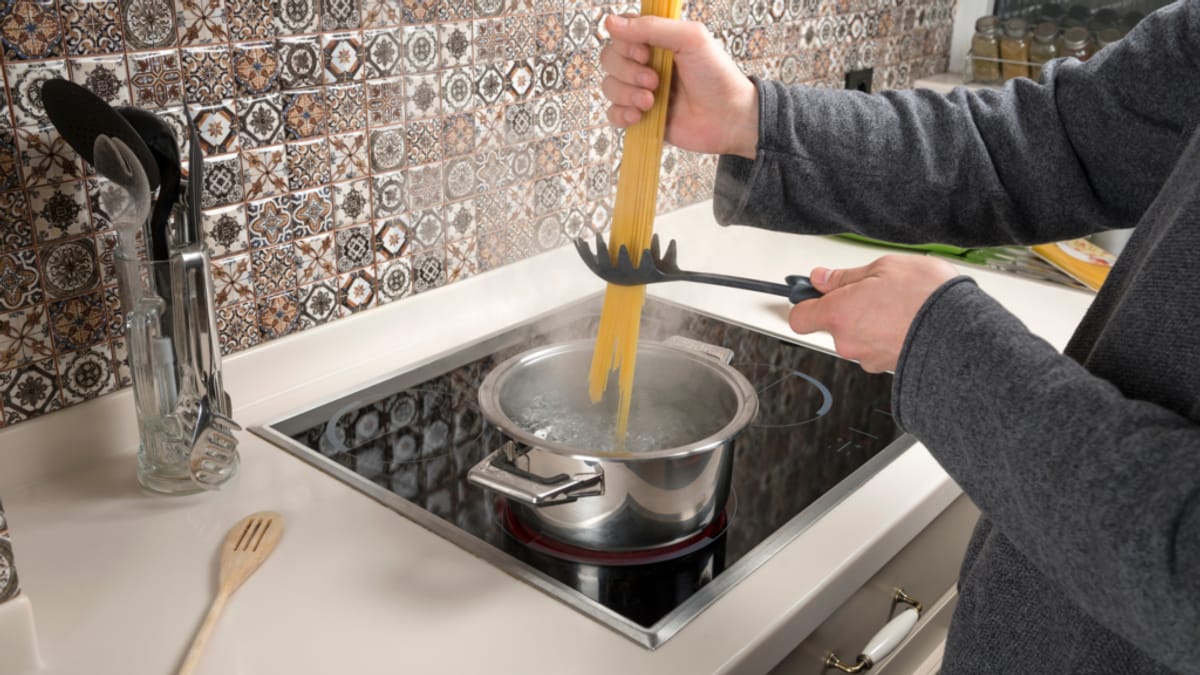
The Role of Timing in Cooking Success
Timing is everything in life, and this adage holds particularly true in the kitchen. As home cooks, we often find ourselves juggling multiple tasks, keeping an eye on the clock, and hoping that everything comes together seamlessly. Whether we're roasting a chicken, boiling pasta, or baking a cake, timing can mean the difference between culinary triumph and disaster. In this post, we will explore how mastering the art of timing can elevate our cooking skills and lead to consistently delicious results.
The Importance of Timing in Cooking
Timing is not just about following recipes; it’s about understanding the nuances of food and how they respond to heat, moisture, and other cooking elements. When we overlook timing, we risk undercooking or overcooking our dishes, resulting in flavors that don’t quite shine.
For instance, consider the humble egg. Perfectly poached eggs require just the right amount of cooking time to achieve that silky texture. Leave them in the water for too long, and they turn rubbery; take them out too soon, and they’re a gooey mess. Such is the delicate dance of timing in cooking.
Understanding Cooking Techniques and Their Timing
Each cooking method comes with its own timing nuances. Grasping these will help us become more confident in the kitchen.
Sautéing
When we sauté, we're looking to develop flavor through caramelization. The key here is medium-high heat and a watchful eye. Vegetables should be tossed regularly to ensure even cooking, and removing them as they reach their ideal texture is crucial. For example, bell peppers take just a few minutes to become tender-crisp, while onions may need a bit longer to fully soften and develop sweetness.
Roasting
Roasting is a fantastic way to bring out the natural flavors in ingredients, but it requires patience. We should always preheat our ovens and understand that different foods have different cooking times. A whole chicken, for instance, might take about 1.5 hours, while root vegetables could be done in about 30 to 45 minutes. If we place everything in the oven at once without considering their individual cooking times, we may end up with charred veggies and an undercooked bird.
Baking
Baking is often viewed as a science, and timing plays a crucial role here. Whether we’re making a loaf of bread or a batch of cookies, we must adhere to the specified baking times. This is because changes in temperature can greatly affect the final product; for instance, if we open the oven door too soon, we might disrupt the rise of our baked goods.
The Role of Prep Time
Before we even turn on the stove, we must consider prep time. This includes chopping vegetables, marinating proteins, and measuring out ingredients. By organizing our prep work, we can streamline cooking and ensure that everything is ready when it needs to be.
We can create a simple timeline when preparing a meal. If we're making a stir-fry, we should start by chopping our vegetables before we even heat the pan. This not only saves time but also prevents us from scrambling at the last minute while our oil is heating.
Multitasking: The Art of Overlapping Tasks
One of the best-kept secrets to successful cooking is multitasking—doing several things at once without compromising quality. As we get more comfortable in the kitchen, we can learn to overlap tasks effectively. While our pasta is boiling, we can be sautéing garlic and onions for a sauce. This approach not only saves time but also keeps our dishes fresh and flavorful.
However, we must be cautious with multitasking. It’s essential to keep an eye on everything that’s going on. A timer can be our best friend here. Setting timers for each component of our meal will help us stay organized and avoid last-minute surprises.
The Power of Resting Time
Let’s not forget about the power of resting time—a vital aspect often overlooked. After cooking, many meats, such as steaks or roasts, benefit from resting. This allows the juices to redistribute, resulting in a more tender and flavorful bite. For example, if we slice into a roast immediately, we can lose a good portion of its juices, leading to a dry outcome.
We should also consider that baked goods often improve in texture and flavor if allowed to cool before serving. A warm loaf of bread is tempting, but letting it rest can make a significant difference in its final texture.
Learning from Experience: Trial and Error
As we delve deeper into the world of cooking, it’s important to embrace trial and error. Mistakes are part of the learning process. Perhaps we overcooked a fish fillet or forgot to set a timer on a cake. Instead of feeling discouraged, we can analyze what went wrong and adjust our timing next time. With experience, we’ll develop an intuitive sense of how long different dishes take, making us more efficient in the kitchen.
We can also keep a cooking journal. Documenting our successes and failures can provide valuable insights into what works best for us, ultimately honing our skills.
Embracing the Clock: Cooking with Confidence
As we gain experience, we will become more confident in our ability to manage timing. By paying attention to how different foods respond to heat, we can adjust cooking times accordingly. This confidence allows us to experiment more freely and to try new recipes without the fear of ruining a meal.
The next time we embark on a cooking adventure, we can challenge ourselves to cook a new dish that requires precise timing. By setting a timer for each step, we’ll not only stay organized but also enhance our understanding of how timing influences flavors and textures.
Conclusion
In the end, timing is an essential component of successful cooking. By understanding the importance of timing in various techniques, mastering prep work, multitasking, allowing for resting periods, and learning from our experiences, we can significantly improve our culinary skills.
Let’s embrace the art of timing in our cooking endeavors. With a little practice and patience, we can create delicious meals that not only taste great but also bring joy to our tables. Happy cooking!