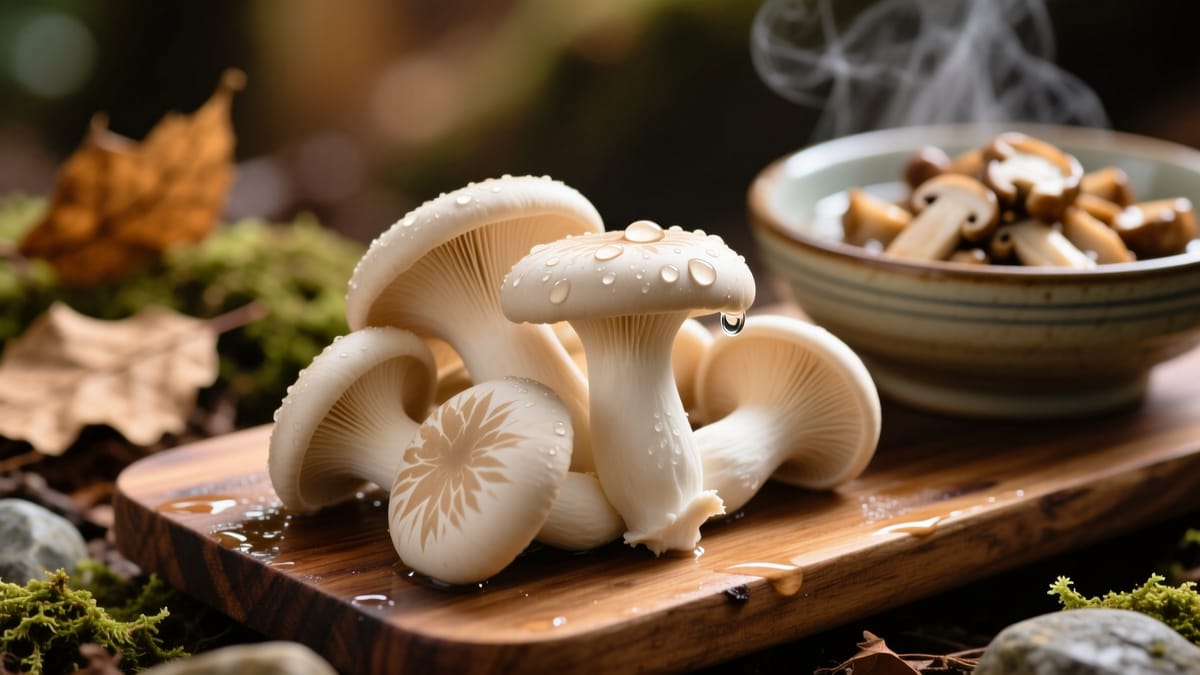
The Maillard Myth: How to Sear Mushrooms So They Actually Taste Like Steak
When we think about cooking, there’s something truly magical about the way heat transforms food. Among the many culinary techniques out there, searing is often touted as a way to add depth and flavor. The Maillard reaction, a chemical process that occurs when proteins and sugars in food react to heat, is frequently celebrated for creating those beautiful brown crusts we all love. But here’s where we hit a snag—searing mushrooms to taste like steak is a challenge many home cooks face. So, let’s dive into this myth, unravel the nuances of cooking mushrooms, and discover how to achieve that savory, umami-packed flavor reminiscent of a perfectly cooked steak.
Understanding the Maillard Reaction
To appreciate the art of searing mushrooms, we should first understand the Maillard reaction. This process starts when food is heated beyond 285°F (140°C), leading to a series of complex chemical reactions that create new flavors and aromas. This is what gives grilled meats their distinctive flavor and brown color. However, mushrooms are quite different from meats in terms of their structure and composition. They contain a high amount of water and relatively low protein levels, which can make them tricky to sear effectively.
Choosing the Right Mushrooms
The first step in our journey is selecting the right type of mushrooms. Not all mushrooms are created equal when it comes to searing. We find that denser varieties, such as shiitake, portobello, and cremini, tend to hold up better under high heat and deliver a more meaty texture and flavor. These varieties have the added advantage of being rich in umami, the savory taste that makes our taste buds sing.
When choosing mushrooms, freshness is key. Look for mushrooms that are firm, dry, and free from blemishes. If they’re slimy or have dark spots, it’s best to steer clear. Remember, fresh mushrooms will provide a better foundation for that delectable seared flavor we’re after.
Preparing Mushrooms for Searing
Preparation is vital for achieving optimal flavor. We often make the mistake of soaking mushrooms in water, thinking it will help them cook better. In reality, mushrooms are like sponges; they absorb water, which can lead to a soggy texture instead of the desired crispy exterior. Instead, we should gently wipe our mushrooms with a damp paper towel to remove any dirt.
Next, we want to slice our mushrooms into uniform pieces. This ensures even cooking. For larger mushrooms like portobellos, we can slice them into thick strips or even leave them whole if we’re feeling adventurous. For smaller varieties, halving or quartering them works beautifully. The key is to maintain a consistent size to promote even browning.
The Perfect Searing Technique
Now that we have our mushrooms prepped and ready, let’s talk about the actual searing process. We recommend using a heavy-bottomed skillet or cast-iron pan for this job. These types of pans retain heat well and provide an excellent surface for browning.
Before we heat the pan, let’s consider our oil choice. We want to select an oil with a high smoke point, such as avocado oil or grapeseed oil. Olive oil is delightful for many dishes, but it has a lower smoke point and can burn easily. Once we’ve chosen our oil, we pour it into the pan and let it heat until it shimmers but isn’t smoking.
Here’s where the magic happens. We add our mushrooms in a single layer, ensuring they have enough space between them. If we overcrowd the pan, they’ll steam rather than sear, and we lose that all-important Maillard reaction. We let them cook undisturbed for a few minutes until they develop a golden-brown crust. This is the time to resist the urge to stir; patience is key!
Once the underside is beautifully browned, we can flip the mushrooms to sear the other side. At this point, we can season them with salt and pepper to enhance their flavor. Salt draws out moisture, intensifying the savory taste that we’re striving for.
Enhancing Flavor Through Ingredients
While the mushrooms cook, we can think about ways to elevate their flavor even further. Adding aromatics like garlic, shallots, or fresh herbs during the last minute of cooking can infuse our mushrooms with additional layers of flavor. If we’re feeling indulgent, a splash of soy sauce or balsamic vinegar at the end can add a delightful depth that mimics the richness of steak.
For those who love a little heat, a sprinkle of crushed red pepper flakes or a dash of smoked paprika can create a warm, complex flavor profile. The beauty of cooking is that we can experiment and adjust to our palate.
Making It a Meal
Once our mushrooms are perfectly seared, we can use them in a variety of ways. They can be served as a hearty side dish, tossed into pasta, or even piled onto a slice of crusty bread for an elegant appetizer. For a more substantial meal, we might consider pairing our mushrooms with grains, such as quinoa or farro, and adding some sautéed greens and a protein of choice.
We can also blend our seared mushrooms into a rich, creamy sauce or soup. Imagine a mushroom stroganoff or a savory mushroom risotto that invites all the flavors to mingle. The options are endless, and the satisfaction of creating a dish that resonates with the essence of steak, all while being plant-based, is incredibly rewarding.
Common Pitfalls to Avoid
As we venture into the world of searing mushrooms, there are a few common pitfalls to keep in mind. One major mistake is cooking mushrooms straight from the refrigerator. Room temperature mushrooms sear better, so we should take them out of the fridge about 20-30 minutes before cooking. This allows for more even cooking and a nice sear.
Another common issue is using too much oil. While we need enough to coat the pan, excess oil can lead to steaming rather than searing. If our mushrooms are swimming in oil, we’ll miss out on that sought-after crispy texture.
Finally, remember that mushrooms continue to release moisture as they cook. If we find ourselves with excess liquid in the pan, it’s a sign that we may need to increase the heat or simply let them cook a little longer to evaporate the moisture.
Final Thoughts
Searing mushrooms to taste like steak may seem like a tall order, but with the right techniques and a touch of creativity, we can achieve incredible results. By understanding the Maillard reaction, selecting the right mushrooms, mastering the searing process, and enhancing flavors, we can unlock the savory potential of these versatile fungi.
So, the next time we’re in the kitchen, let’s not shy away from giving mushrooms the star treatment. With practice, patience, and a sprinkle of culinary love, we can transform them into a dish that not only satisfies our cravings but also impresses our friends and family. Happy cooking!