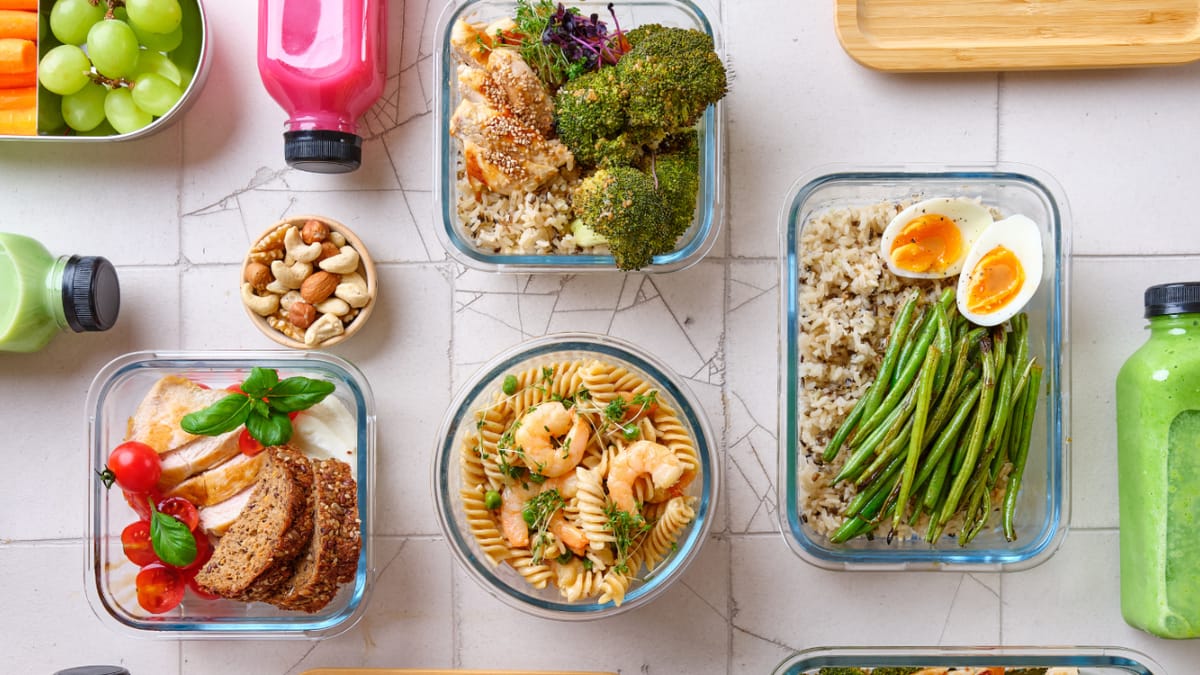
The Link Between Gut Health and Home Cooking
Introduction
In recent years, the connection between gut health and overall well-being has gained significant attention. As research continues to unveil the complexities of our microbiome—the collection of trillions of bacteria living in our intestines—it becomes increasingly clear that what we eat plays a pivotal role in how we feel. One of the best ways to foster a healthy gut is through home cooking. In this blog post, we’ll explore the fascinating link between gut health and home cooking, equipping you with practical tips and techniques to enhance your culinary repertoire while nurturing your digestive system.
Understanding Gut Health
Before diving into the cooking techniques, let’s take a moment to understand what gut health really means.
What is Gut Health?
Gut health refers to the balance of microorganisms that live in the digestive tract. A healthy gut is typically characterized by:
- • A diverse microbiome
- • Effective digestion and nutrient absorption
- • A robust immune response
- • A balanced inflammatory response
Identifying issues with gut health can be tricky, but some common indicators include:
- • Frequent bloating or gas
- • Digestive irregularities (constipation or diarrhea)
- • Food intolerances
- • Fatigue or sleep disturbances
- • Skin issues like eczema or acne
- • Autoimmune conditions
The Role of Diet in Gut Health
The food we consume directly impacts our gut microbiome. Here are some key components that influence gut health:
- • Fiber: Acts as food for beneficial gut bacteria.
- • Probiotics: Live bacteria found in fermented foods that support a healthy gut flora.
- • Prebiotics: Non-digestible fibers that nourish probiotics.
- • Polyphenols: Plant compounds that have antioxidant properties and support gut health.
Why Home Cooking Matters
Home cooking allows you to control the quality and ingredients of your meals, making it easier to prioritize gut-friendly foods. Here’s why cooking at home is beneficial:
- • Fresh Ingredients: You can choose fresh, whole foods that are rich in nutrients.
- • Customization: You can tailor recipes to include more fiber, probiotics, and prebiotics.
- • Healthier Cooking Methods: Home cooks can opt for methods like steaming or roasting instead of frying.
- • Mindful Eating: Cooking at home encourages mindfulness, which can improve digestion.
Essential Ingredients for Gut Health
Here are some must-have ingredients to include in your kitchen for promoting gut health:
| Ingredient | Benefits |
|---|---|
| Leafy Greens | High in fiber and vitamins. |
| Fermented Foods | Contains probiotics (e.g., yogurt, kimchi). |
| Whole Grains | Rich in fiber (e.g., quinoa, brown rice). |
| Legumes | Excellent source of prebiotics and fiber. |
| Nuts & Seeds | Provide healthy fats and are nutrient-dense. |
| Fruits | Fiber-rich options like apples, bananas, and berries. |
Cooking Techniques to Support Gut Health
1. Fermenting
Fermentation is an ancient preservation method that enhances flavors and increases the probiotic content of foods. Here’s how to get started:
- • Simple Sauerkraut:
- • Homemade Yogurt:
2. Roasting and Steaming Vegetables
Cooking vegetables can enhance their digestibility while preserving nutrients.
- • Roasting:
- • Steaming:
3. Cooking with Whole Grains
Incorporating whole grains into your meals is a great way to increase fiber intake.
- • Quinoa Salad:
- • Brown Rice Stir-Fry:
Practical Tips for Mindful Cooking
1. Meal Planning
Why Meal Plan? Planning your meals helps you prioritize gut-friendly foods and reduces the temptation of reaching for processed snacks.
- • Action Steps:
2. Batch Cooking
Cooking in batches saves time and ensures you always have healthy options ready.
- • How to Batch Cook:
3. Mindful Eating Practices
Taking time to enjoy your meals can significantly improve digestion.
- • Tips for Mindful Eating:
Incorporating Gut-Friendly Spices and Herbs
Certain spices and herbs can also contribute to gut health.
| Spice/Herb | Benefits |
|---|---|
| Ginger | Aids digestion and reduces bloating. |
| Turmeric | Anti-inflammatory properties. |
| Garlic | Prebiotic properties that nourish good bacteria. |
| Cinnamon | May help regulate blood sugar and support digestion. |
Developing Your Gut-Friendly Recipe Collection
Creating a collection of recipes that prioritize gut health can make cooking more enjoyable and purposeful. Here are some suggestions:
- • Soups: Start with a base of bone broth (rich in collagen) and add in plenty of vegetables, legumes, and spices.
- • Salads: Use a variety of greens, fermented veggies (like kimchi), nuts, and a light dressing.
- • Smoothies: Blend yogurt, fruits, spinach, and a scoop of prebiotic fiber (like inulin or psyllium) for a gut-friendly breakfast.
Conclusion
The journey to better gut health starts in the kitchen. By embracing home cooking, you can take charge of your diet and make choices that support a thriving microbiome. Incorporating gut-friendly ingredients, cooking techniques, and mindful eating practices will not only enhance your culinary skills but also improve your overall well-being. Remember, it’s not just about what you eat; it’s about how you prepare and enjoy your meals. Happy cooking, and here’s to your health!