The History of the Casserole: An American Kitchen Icon
The History of the Casserole: An American Kitchen Icon
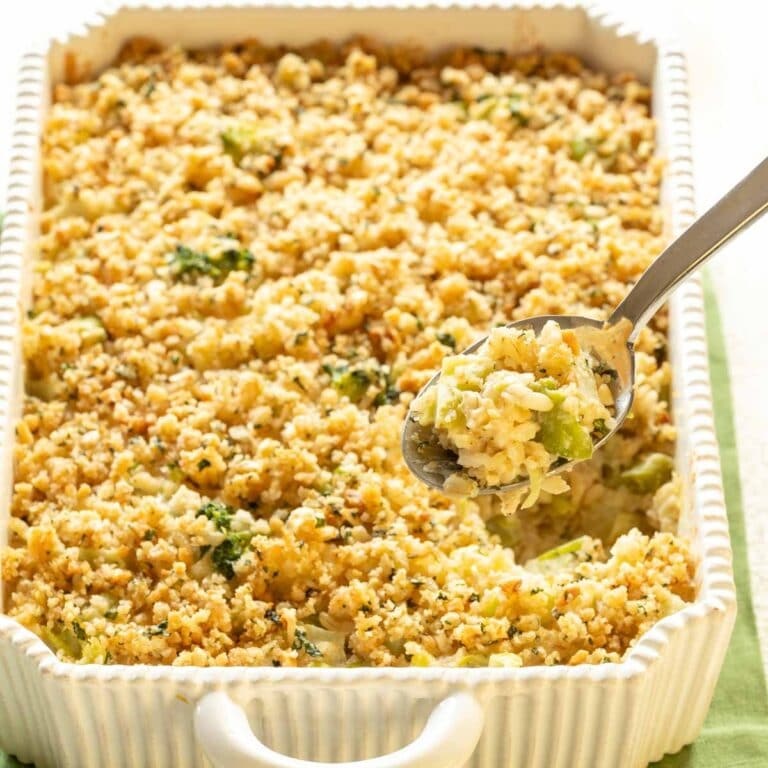
Casseroles are more than just a dish; they are a symbol of comfort, community, and creativity in the kitchen. Whether you're enjoying a classic green bean casserole at Thanksgiving or a hearty lasagna on a chilly night, these one-dish meals have a way of bringing people together. In this blog post, we'll explore the fascinating history of the casserole, its evolution in American kitchens, and practical tips for mastering this versatile dish.
What is a Casserole?
Before diving into history, let's define what a casserole is. A casserole is a dish that is typically baked in the oven and can combine ingredients like proteins, vegetables, grains, and sauces, all in one pot. The beauty of casseroles lies in their flexibility; you can mix and match ingredients based on what you have on hand, making them a fantastic option for weeknight dinners or potlucks.
The Origins of the Casserole
Early Beginnings
The concept of combining ingredients in a pot and baking them together can be traced back to ancient civilizations. The French word "casserole," which refers to a cooking vessel, emerged in the 18th century. However, the modern casserole as we know it began to take shape in America during the 19th century.
The 19th Century: A Shift in Cooking
As America underwent significant changes in the 1800s, so did its cooking practices. The rise of the middle class and the availability of cast-iron cookware made it easier for families to experiment with one-pot meals. The first known casserole recipe appeared in "The Boston Cooking-School Cook Book" by Fannie Farmer in 1896, introducing Americans to the idea of combining various ingredients for a hearty meal.
The Casserole Boom of the 20th Century
Post-War America: Convenience and Community
The real casserole craze took off after World War II, fueled by a growing emphasis on convenience in cooking. With more women entering the workforce, quick and easy meals became essential. Casseroles fit the bill perfectly—many recipes required minimal prep time and could be made in large batches.
In 1955, the publication of "The Casserole Book" by the Junior League of St. Louis introduced a variety of casserole recipes that became household staples. This era also saw the rise of canned soups and other convenience foods that made their way into many casserole recipes.
Cultural Influences
As diverse immigration patterns shaped American culture, so too did they influence casserole recipes. Dishes like enchiladas, moussaka, and shepherd's pie began to appear in American homes, each bringing unique flavors and ingredients to the classic casserole format.
Casserole Techniques: Mastering the Art
Building Your Casserole
Casseroles come in many forms, but they often share a foundational structure. Let's break down the essential components to create a well-balanced casserole:
- 1. Base: This can be a protein (like chicken, beef, or tofu), grains (like rice or pasta), or vegetables.
- 2. Binder: This is usually a sauce or soup that holds everything together. Cream soups, cheese sauces, or homemade gravies are popular choices.
- 3. Toppings: Add a layer of flavor and texture with toppings such as breadcrumbs, cheese, or crushed chips.
Tips for a Perfect Casserole
- • Layer Wisely: Start with heavier ingredients on the bottom, such as meats or grains. Lighter ingredients, like vegetables, can go on top to prevent overcooking.
- • Don’t Overcrowd: Leave space for the heat to circulate. If you pack too many ingredients into a dish, it may not cook evenly.
- • Cover and Uncover: Cover your casserole with foil for the first part of the cooking time to trap steam, then uncover it to allow the top to brown and crisp.
Flavor Enhancements
To elevate your casserole, consider these flavor-boosting tips:
- • Herbs and Spices: Fresh or dried herbs can add depth. Think oregano, thyme, or rosemary for savory casseroles, and cinnamon or nutmeg for sweeter versions.
- • Acidity: A splash of vinegar or a squeeze of lemon juice can brighten up the flavors.
- • Texture: Balance creamy ingredients with crunchy toppings for an appealing contrast.
Casserole Variations from Around the World
While casseroles are quintessentially American, many countries have their own versions of this beloved dish:
- • France: The classic "Gratin" features layers of potatoes baked with cream and cheese.
- • Italy: "Lasagna" is a layered pasta dish baked with cheese, meat, and sauce.
- • Greece: "Moussaka" is a hearty casserole made with layers of eggplant, ground meat, and béchamel sauce.
- • Mexico: "Enchilada casserole" layers tortillas with meat, cheese, and sauce, creating a deliciously cheesy meal.
Creative Casserole Ideas
If you’re looking to branch out from traditional recipes, here are some creative ideas to inspire your next casserole creation:
Breakfast Casserole
Start your day off right with a breakfast casserole packed with eggs, cheese, and your favorite breakfast meats or veggies. Combine everything in a baking dish the night before and pop it in the oven in the morning.
Vegetarian Casserole
Embrace the bounty of seasonal vegetables with a veggie-packed casserole. Use a combination of roasted vegetables, grains, and a rich cheese sauce for a satisfying meatless meal.
Dessert Casserole
Yes, you read that right! Don’t limit casseroles to savory dishes. A bread pudding or a fruit crumble can be a delightful way to end a meal. Layer stale bread with custard and your favorite fruits, then bake until golden and bubbling.
Common Casserole Mistakes to Avoid
Even the best cooks can make mistakes. Here are some common pitfalls and how to avoid them:
| Mistake | Solution |
|---|---|
| Overcooking or undercooking | Use a meat thermometer to ensure proteins are cooked through, and check for bubbling and browning. |
| Lack of flavor | Season each layer individually, and don’t forget to taste as you go! |
| Soggy texture | Avoid using too much liquid; consider precooking vegetables or grains. |
Conclusion: Embrace the Casserole
The casserole is a versatile and timeless dish that has evolved with American culture. Its rich history and adaptability make it a beloved meal for families across the nation. By mastering the techniques and experimenting with flavors, you can create your own signature casseroles that will warm hearts and bellies alike.
So why not embrace the casserole? Gather your favorite ingredients, get creative, and enjoy the process of bringing people together around the dinner table. Whether you opt for a classic or a modern twist, you can't go wrong with this iconic American dish. Happy cooking!