The Hidden Poisons Lurking in Your Kitchen Cabinets
As we go about our daily lives, the kitchen often feels like the heart of our homes. It’s where we gather to prepare meals, share stories, and create lasting memories. However, amidst the warmth and comfort, there are hidden dangers lurking within our kitchen cabinets that can affect our health and well-being. Today, we’ll dive deep into the hidden poisons that may be sitting right under our noses, in our spices, cookware, and even our cleaning supplies. Armed with this information, we can transform our kitchens into safer, healthier spaces.
The Spice Cabinet: More Than Just Flavor
When we think about our spice cabinets, we often envision vibrant colors and exotic aromas. Spices add depth to our dishes, but some can also harbor hidden threats. One common issue is contamination with aflatoxins, toxic compounds produced by certain molds that can grow on spices such as turmeric, paprika, and chili powder. These toxins have been linked to serious health issues, including liver damage.
To ensure our spices are safe, it’s important to pay attention to their sourcing. We can opt for brands that rigorously test their products for contaminants. When purchasing spices, look for those that have been certified organic or come from reputable suppliers. Additionally, keeping our spice jars tightly sealed and stored in a cool, dark place can help prevent mold growth.
The Allure of Non-Stick Cookware
Non-stick cookware has revolutionized the way we cook, offering convenience and ease of use. However, many of us may not be aware of the potential hazards associated with it. Traditional non-stick coatings, particularly those made with polytetrafluoroethylene (PTFE), can release toxic fumes when overheated. These fumes can cause flu-like symptoms in humans and are particularly harmful to pet birds.
To mitigate this risk, we can choose alternatives like ceramic-coated or cast iron cookware. These materials provide excellent cooking performance without the harmful effects of traditional non-stick coatings. If we continue to use non-stick pans, we should avoid using high heat and metal utensils, as they can scratch the surface and release toxins.
The Sweet Seduction of Artificial Sweeteners
In our quest for healthier lifestyles, many of us have turned to artificial sweeteners as substitutes for sugar. While they may help reduce calorie intake, some studies suggest a potential link between certain sweeteners, like aspartame, and health issues ranging from headaches to metabolic disorders.
To navigate the world of sweeteners, we can focus on natural options like honey, maple syrup, or stevia, which are generally safer and offer additional health benefits. By gradually reducing our reliance on artificial sweeteners, we can cultivate a taste for less sweetness over time, ultimately leading to healthier eating habits.
The Truth About Food Storage Containers
As we strive for a tidy kitchen, food storage containers are our allies. Yet, not all containers are created equal. Many plastic containers contain harmful chemicals like bisphenol A (BPA), which can leach into our food, especially when heated. Exposure to BPA has been linked to a host of health concerns, including hormonal disruptions.
To keep our food safe, we can switch to glass or stainless steel storage containers. These materials are not only durable but also free from harmful chemicals. When storing food, we should opt for containers that are labeled as BPA-free to ensure we are making the healthiest choice.
The Dark Side of Cleaning Products
Cleaning our kitchens is essential, but the products we use can also pose risks. Many conventional cleaning supplies contain harsh chemicals that can irritate our skin, eyes, and respiratory systems. Some ingredients, like phthalates and ammonia, have been linked to long-term health effects.
A simple and effective way to clean our kitchens is to use natural ingredients. Vinegar, baking soda, and lemon juice can work wonders in tackling grime and bacteria without the harmful effects of commercial cleaners. By mixing these ingredients, we can create our own eco-friendly cleaning solutions that are safe for our families and the environment.
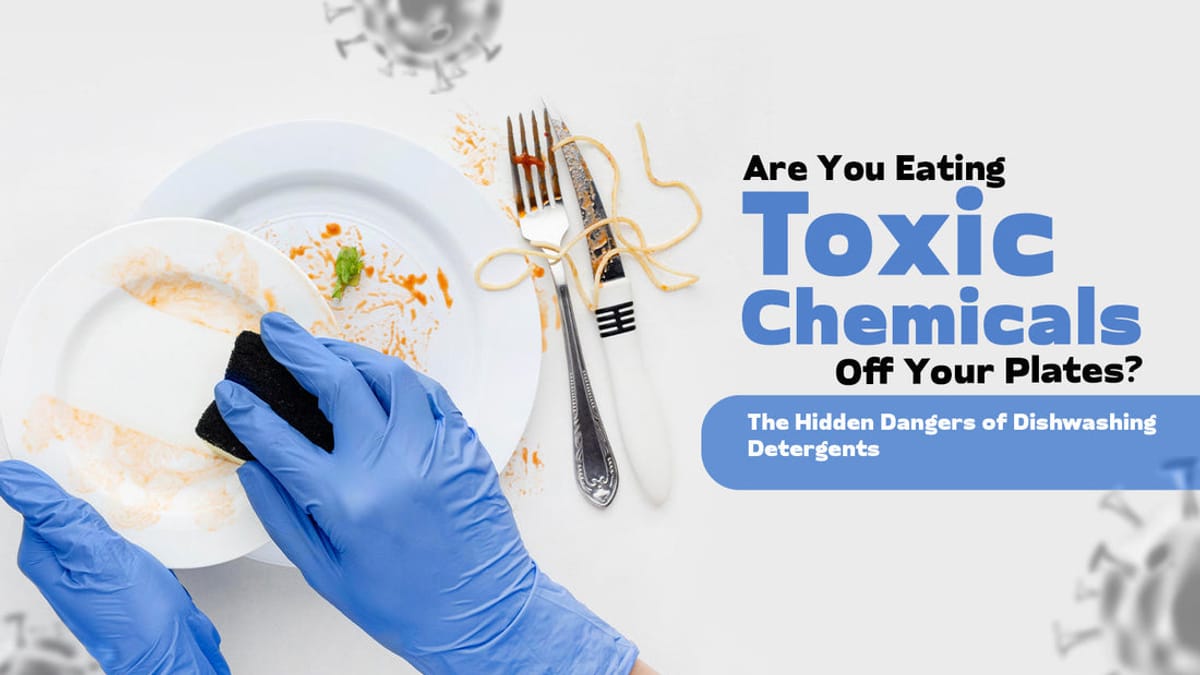
The Hidden Dangers of Dishwashing Detergents
Another often-overlooked source of potential harm resides right at the sink: dishwashing detergents. While these products are essential for removing grease and bacteria from our plates, some contain chemicals that can linger as residues, especially if dishes are not thoroughly rinsed. Researchers have raised concerns about certain detergent ingredients—including alcohol ethoxylates and fragrances—that, in high concentrations, may irritate the skin, disrupt hormones, or even harm the gut if residues are ingested over time. However, for most households, typical detergent use carries minimal risk as long as products are used according to instructions and dishes are well rinsed. To minimize exposure, consider choosing fragrance-free or eco-friendly formulations, storing detergents safely away from children, and always ensuring that dishes are fully rinsed before use.
The Hidden Dangers of Processed Foods
In our busy lives, convenience often trumps nutrition, leading us to reach for processed foods. However, these products can be loaded with preservatives, artificial flavors, and unhealthy fats. Consuming a diet high in processed foods is linked to various health problems, including obesity and heart disease.
We can combat this by focusing on whole, unprocessed foods. Incorporating more fruits, vegetables, whole grains, and lean proteins into our meals can make a significant difference. Meal prepping can also help us stay on track, allowing us to have healthy options readily available during busy weeks.
The Risk of Improper Food Storage
Food safety starts with proper storage. Improperly stored food can lead to spoilage and foodborne illnesses. For instance, leaving perishable items out too long or failing to seal leftovers can create an environment for bacterial growth.
To ensure our food remains safe, we should familiarize ourselves with the proper storage guidelines for different types of food. Keeping our refrigerators organized and setting them to the correct temperature can help in maintaining freshness. It’s essential to check expiration dates regularly and practice the “first in, first out” method to minimize waste and maximize safety.
Embracing Mindful Cooking
As we navigate through these hidden poisons, it’s essential to embrace the concept of mindful cooking. This approach encourages us to be present in the kitchen, making informed choices about the ingredients we use and the methods we employ. By understanding the impact of our food choices, we can create meals that nourish our bodies and minds.
We can cultivate mindfulness by taking the time to read labels, experiment with new recipes, and engage with the cooking process. Cooking can become a form of self-care, allowing us to connect with our food and appreciate the effort that goes into preparing our meals.
Building a Healthier Kitchen Environment
Creating a safer kitchen environment doesn’t have to be overwhelming. We can start small by gradually replacing items that may pose risks with healthier alternatives. This journey is about making informed choices that align with our values and priorities.
Let’s take the time to declutter our kitchen cabinets, assessing what we have and what we need. By surrounding ourselves with safe, wholesome ingredients and tools, we can foster a sense of well-being in our cooking spaces.
The Power of Community and Sharing Knowledge
Finally, as we become more aware of the hidden poisons in our kitchens, we can share this knowledge with others. Engaging family and friends in conversations about safe cooking practices fosters a sense of community and encourages healthier habits. We can also explore local resources, such as cooking classes or community gardens, to deepen our connection to food and cooking.
When we come together to support each other in our culinary journeys, we not only enhance our own experiences but also contribute to a broader movement toward healthier living.
As we wrap up this exploration of the hidden poisons in our kitchen cabinets, let’s embrace the power of knowledge. By making informed choices and prioritizing safety in our cooking practices, we can transform our kitchens into havens of health and enjoyment. Let’s continue to nourish ourselves, our families, and our communities with the love and care that food deserves. Happy cooking!