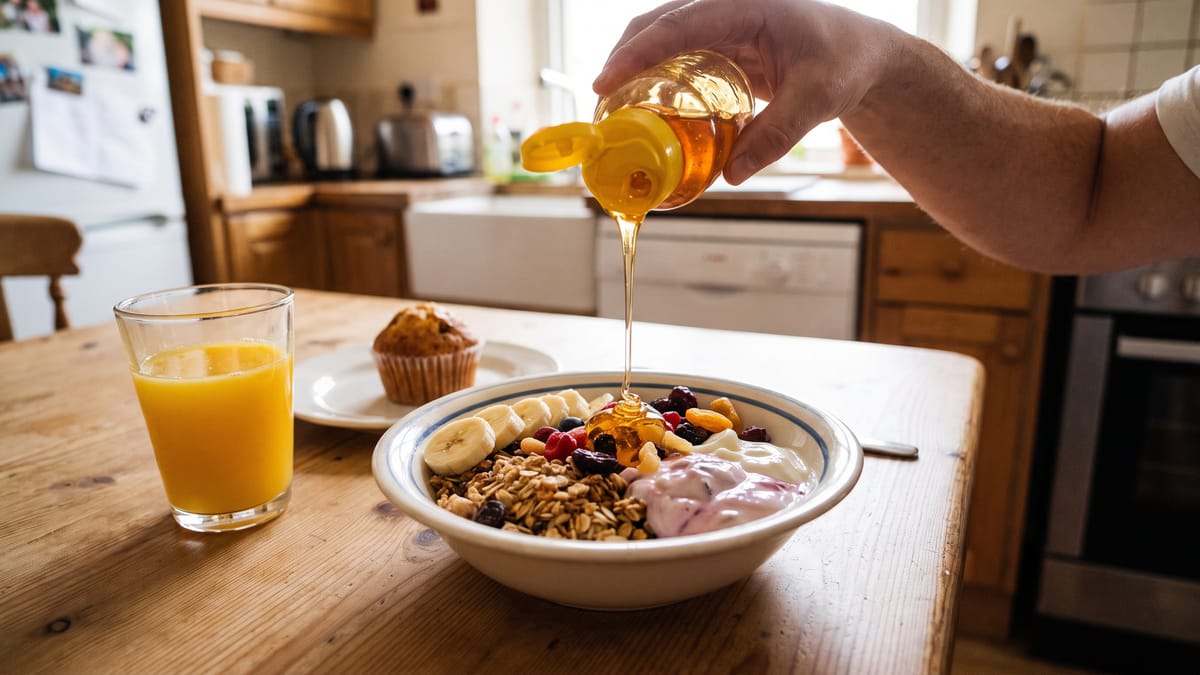
The “Healthy” Breakfast Mistake Almost Everyone Makes
The crisp morning air, the promise of a new day, and the tantalizing aroma of breakfast wafting from the kitchen. For many of us, this is the idyllic start we crave. We're told, and often believe, that breakfast is the most important meal of the day. It kickstarts our metabolism, fuels our bodies, and sets the tone for a productive day. And in our earnest pursuit of health, we often reach for what we perceive to be the healthiest options. Yet, unbeknownst to many, we're collectively making a colossal "healthy" breakfast mistake, a dietary misstep that can subtly sabotage our energy levels, impact our mood, and even hinder our long-term wellness goals.
We're not talking about indulging in a decadent stack of pancakes smothered in syrup every day, nor are we chastising the occasional breakfast pastry. No, the mistake we're referring to is far more insidious, lurking in the seemingly innocent choices we make, often with the best of intentions. It's the pervasive belief that a breakfast laden with refined carbohydrates, even those masquerading as "whole-grain" or "fortified," is the pinnacle of a nutritious morning meal.
The Cereal Conundrum: A Glimpse into Our Collective Blind Spot
Let's begin our exploration with the quintessential breakfast item: cereal. For decades, cereal has been marketed as a cornerstone of a healthy breakfast. Think back to those vibrant commercials featuring smiling families, brimming with vitality, all thanks to a bowl of their favorite crunchy goodness. The boxes themselves often boast impressive claims: "low fat," "whole grain," "fortified with essential vitamins and minerals." It all sounds perfectly virtuous, doesn't it?
However, a closer look at the ingredient list of many popular cereals reveals a different story. Sugar, in various guises like high-fructose corn syrup, cane sugar, or malt syrup, often ranks among the top ingredients. Even seemingly wholesome options, like oat squares or wheat flakes, can be surprisingly high in added sugars. These sugars, combined with highly processed grains that have been stripped of much of their natural fiber and nutrients, create a perfect storm for a rapid blood sugar spike.
Imagine this scenario: you wake up, feeling a bit groggy. You pour yourself a bowl of your chosen "healthy" cereal, perhaps with some skim milk. Your body rapidly digests these simple carbohydrates, flooding your bloodstream with glucose. Your pancreas, in a valiant effort to restore balance, releases a surge of insulin. While this is a natural bodily response, frequent and significant insulin spikes can lead to a rollercoaster of energy levels. You might feel an initial burst of energy, a sugar rush, followed by an inevitable crash, leaving you feeling sluggish, irritable, and craving more sugary foods. This cycle, repeated day after day, can contribute to chronic fatigue, difficulty concentrating, and even increased risk of insulin resistance over time.
The Toast Trap: Another Seemingly Innocent Culprit
Moving beyond the cereal aisle, we often turn to toast as another quick and easy breakfast option. "Whole wheat toast is healthy, right?" we ask ourselves, buttering up a slice or two. And while whole wheat bread is certainly a step up from highly refined white bread, it's not always the nutritional powerhouse we imagine. Many commercially produced "whole wheat" breads still contain a significant amount of refined flours, added sugars, and even preservatives.
The problem, again, lies in the carbohydrate content and the lack of balancing nutrients. A couple of slices of even genuinely whole wheat toast, especially when paired with sugary jams or fruit spreads, can still trigger a substantial blood sugar response. Without adequate protein and healthy fats to slow down digestion and provide sustained energy, we're once again setting ourselves up for that familiar energy dip. We might find ourselves reaching for a mid-morning snack sooner than anticipated, often gravitating towards more quick-fix carbohydrates, thus perpetuating the cycle.
Think about it this way: imagine building a fire. If you only throw small, highly flammable twigs onto the flames, they'll burn brightly and quickly, then fizzle out. But if you add larger, denser logs, they'll catch slowly, burn steadily, and provide lasting warmth. Our bodies operate similarly. Simple carbohydrates are like those twigs, offering a fleeting burst. Protein and healthy fats are the denser logs, providing sustained fuel.
The Yogurt Illusion: Sweetened Deception
Yogurt, particularly Greek yogurt, has gained immense popularity as a healthy breakfast choice, and for good reason. It's a fantastic source of protein and probiotics, which are beneficial for gut health. However, the "healthy" breakfast mistake often rears its head when we reach for those alluring fruit-on-the-bottom or flavored yogurts.
While they might taste delicious, these yogurts are frequently loaded with added sugars. A single serving can contain as much sugar as a candy bar, completely negating the health benefits of the yogurt itself. The added sugars can overshadow the protein content, leading to a similar blood sugar rollercoaster we've discussed. We might think we're making a smart, protein-rich choice, but in reality, we're often consuming a dessert disguised as breakfast.
Even seemingly innocent granola, often touted as a healthy topping for yogurt, can be a sugar bomb. Many commercial granolas are held together with syrups and sweeteners, turning a potentially nutritious addition into another source of refined carbohydrates.
The Fruit Juice Folly: A Concentrated Problem
"A glass of orange juice for vitamin C!" This has been a breakfast staple for generations, ingrained in our minds as a health elixir. And while whole fruits are undeniably beneficial, packed with fiber, vitamins, and antioxidants, fruit juice is a different beast entirely.
When fruit is juiced, the beneficial fiber is largely removed. What remains is essentially concentrated fruit sugar. While it's natural sugar, without the buffering effect of fiber, it's absorbed very rapidly into the bloodstream, leading to a quick and significant blood sugar spike. Think of it this way: eating an orange takes time, involves chewing, and the fiber slows down the absorption of its sugars. Drinking a glass of orange juice, on the other hand, is a much faster delivery system for sugar, akin to drinking soda in terms of its impact on blood glucose.
For those striving for balanced blood sugar and sustained energy, relying on fruit juice as a primary breakfast beverage is a significant oversight. We're missing out on the satiety and nutritional benefits that whole fruits provide.
The Root of the Problem: Missing Macronutrients
The overarching theme of this "healthy" breakfast mistake is a fundamental imbalance in macronutrients, specifically a severe deficiency in protein and healthy fats, coupled with an overabundance of easily digestible carbohydrates.
- • Protein: Protein is paramount for satiety. It takes longer to digest than carbohydrates, helping us feel fuller for longer and preventing those mid-morning hunger pangs. It also plays a crucial role in building and repairing tissues, producing enzymes and hormones, and supporting a healthy immune system. When we skimp on protein at breakfast, we're essentially setting ourselves up for an energy deficit and increased cravings.
- • Healthy Fats: Healthy fats, found in foods like avocados, nuts, seeds, and olive oil, are another essential component for sustained energy and satiety. Like protein, they slow down digestion, helping to regulate blood sugar levels and keep us feeling satisfied. Furthermore, healthy fats are vital for brain function, hormone production, and the absorption of fat-soluble vitamins. Many "healthy" breakfasts are deliberately low in fat, based on outdated dietary recommendations that demonized all fats. We now understand that not all fats are created equal, and incorporating healthy fats is crucial for overall well-being.
- • Fiber: While some of the "healthy" options we've discussed might contain some fiber, often it's not enough, or it's processed in such a way that its benefits are diminished. Fiber, especially soluble fiber, helps to slow down the absorption of sugar, promotes healthy digestion, and contributes to feelings of fullness. Prioritizing whole, unprocessed sources of fiber is key.
Shifting Our Breakfast Paradigm: Practical Solutions
Now that we've identified the problem, let's pivot to the solutions. The good news is that rectifying this common breakfast mistake doesn't require a complete overhaul of our diets or an exorbitant budget. It's about making conscious, informed choices and embracing a more balanced approach.
Embrace Protein Power
Make protein the star of your breakfast show. Aim for at least 20-30 grams of protein at your morning meal. This might sound like a lot, but it's achievable with smart choices.
- • Eggs: The humble egg is a nutritional powerhouse. Scrambled, poached, fried, or in an omelet, eggs offer high-quality protein and a host of vitamins and minerals. Pair them with some sautéed vegetables for added fiber and nutrients.
- • Greek Yogurt (Unsweetened): Opt for plain, unsweetened Greek yogurt and add your own toppings. Berries, a sprinkle of nuts or seeds, and a dash of cinnamon can transform it into a delicious and balanced meal.
- • Cottage Cheese: Another excellent source of protein, cottage cheese can be enjoyed with fruit, a sprinkle of everything bagel seasoning, or even incorporated into savory dishes.
- • Smoothies with a Punch: If you love smoothies, ensure they're protein-packed. Add a scoop of protein powder (whey, casein, pea, or hemp), a spoonful of nut butter, and some chia or flax seeds to boost the protein and healthy fat content.
- • Lean Meats: Think outside the box. Leftover grilled chicken or turkey from dinner can be a fantastic addition to a breakfast scramble or a quick breakfast wrap.
Befriend Healthy Fats
Don't shy away from healthy fats. They are your allies in satiety and sustained energy.
- • Avocado: Sliced on toast (with real whole-grain bread, of course!), mashed into a spread, or added to a smoothie, avocado provides monounsaturated fats that are heart-healthy and incredibly satisfying.
- • Nuts and Seeds: Almonds, walnuts, pecans, chia seeds, flax seeds, and hemp seeds are all excellent sources of healthy fats, fiber, and even some protein. Sprinkle them over yogurt, oatmeal, or blend them into smoothies.
- • Nut Butters: Natural peanut butter, almond butter, or cashew butter, without added sugars, can be a delicious and filling addition to toast, oatmeal, or fruit.
- • Olive Oil: A drizzle of good quality extra virgin olive oil can elevate the flavor and nutritional profile of savory breakfast dishes.
Prioritize Fiber-Rich Carbohydrates
While we're advocating for reducing refined carbohydrates, we're not suggesting eliminating all carbs. Instead, focus on complex, fiber-rich options that provide sustained energy.
- • Whole Grains (Truly Whole): Look for breads, oats, and cereals where the first ingredient is a truly whole grain, such as "whole rolled oats" or "100% whole wheat flour." Steel-cut oats are a particularly excellent choice, as they are less processed and have a lower glycemic index than instant oats.
- • Berries: Loaded with antioxidants and fiber, berries are a fantastic addition to yogurt, oatmeal, or smoothies. Their natural sweetness can satisfy cravings without the added sugar.
- • Non-Starchy Vegetables: Don't underestimate the power of vegetables at breakfast! Spinach, mushrooms, bell peppers, and onions can be easily incorporated into omelets, scrambles, or breakfast burritos, adding a wealth of nutrients and fiber.
Crafting Your Balanced Breakfast Plate: Examples
Let's put these principles into practice with some actionable examples:
- • The Savory Power Plate: Two scrambled eggs with a handful of spinach and chopped bell peppers, a quarter of an avocado, and a small side of truly whole-grain toast (optional, and if so, sparingly).
- • The Greek Yogurt Parfait (Reimagined): Plain, unsweetened Greek yogurt layered with mixed berries, a sprinkle of chia seeds, and a small handful of walnuts.
- • The Hearty Oatmeal Bowl: Steel-cut oats cooked with water or unsweetened almond milk, topped with a scoop of protein powder (stirred in after cooking), sliced almonds, and a few raspberries.
- • The Breakfast Burrito Boss: Scrambled eggs with black beans, salsa, and a sprinkle of cheese, wrapped in a whole-wheat tortilla. Add some sautéed onions and peppers for extra flavor and nutrients.
- • The Smoothie Superstar: Unsweetened almond milk, a scoop of protein powder, a handful of spinach (you won't taste it!), half a banana, a tablespoon of almond butter, and some flax seeds.
The Ripple Effect: Beyond the Morning Meal
The benefits of a truly balanced breakfast extend far beyond the morning hours. When we start our day with adequate protein, healthy fats, and fiber-rich carbohydrates, we're setting ourselves up for:
- • Sustained Energy: No more mid-morning slumps or relying on caffeine to power through.
- • Improved Focus and Concentration: Stable blood sugar levels mean a more focused and productive mind.
- • Reduced Cravings: Feeling fuller for longer helps curb those unhealthy snack cravings.
- • Better Mood Regulation: Stable blood sugar can positively impact mood and reduce irritability.
- • Weight Management: By promoting satiety and reducing cravings, a balanced breakfast can be a powerful tool for maintaining a healthy weight.
- • Long-Term Health Benefits: Consistently avoiding blood sugar spikes and crashes contributes to better metabolic health and reduces the risk of chronic diseases.
Putting It All Together: A Mindful Approach
The "healthy" breakfast mistake almost everyone makes isn't about villainizing specific foods. It's about understanding the impact of our choices on our bodies and making more informed decisions. It’s about shifting our perception of what constitutes a truly nourishing start to the day.
We encourage you to become a label detective. Read ingredient lists, not just the front-of-package claims. Be wary of "low fat" or "diet" products, as they often compensate for reduced fat with increased sugar. Prioritize whole, unprocessed foods whenever possible.
This journey towards a better breakfast is not about perfection, but about progress. Start small. Perhaps swap your sugary cereal for plain Greek yogurt with berries and nuts a few times a week. Or try adding an egg to your morning routine. Gradually, as you experience the tangible benefits of sustained energy and improved well-being, these healthier choices will become second nature.
Remember, breakfast is indeed an important meal. But its importance lies not just in eating something, but in eating the right something. By embracing protein, healthy fats, and fiber-rich carbohydrates, we can transform our mornings, empower our bodies, and truly set ourselves up for a day, and a life, of vibrant health. Let's make every breakfast an opportunity to nourish ourselves from the inside out, moving beyond the well-intentioned, yet ultimately flawed, "healthy" breakfast mistake.