The Essential Guide to Picking Ripe Produce
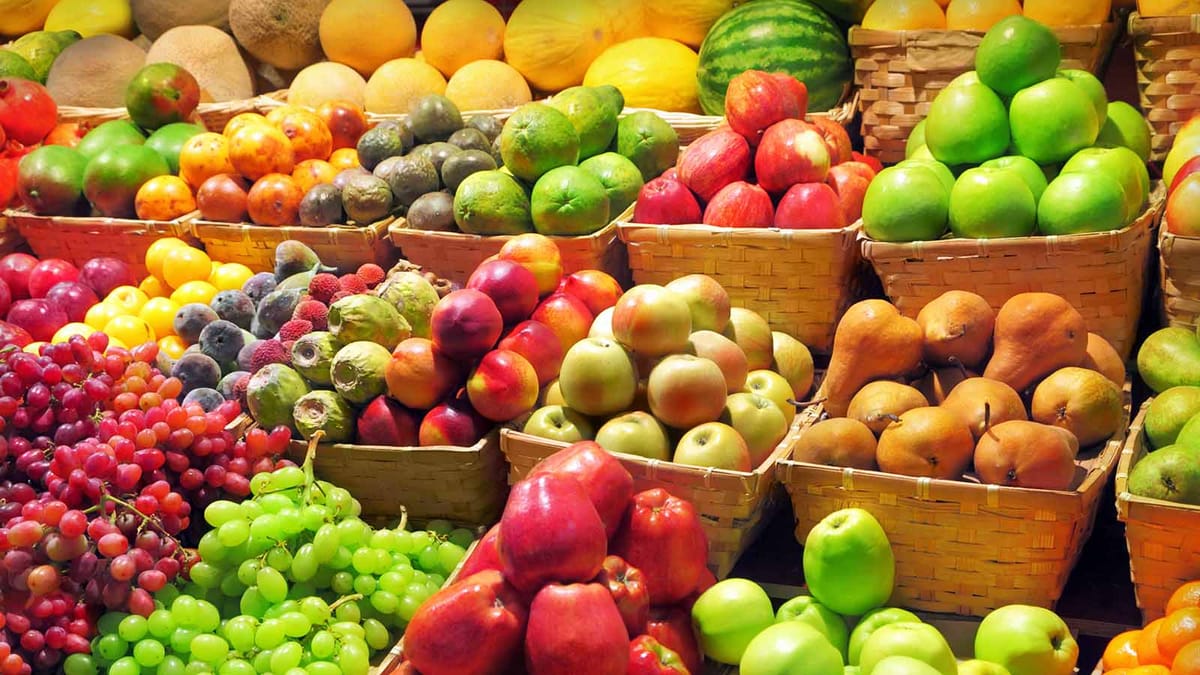
When we stroll through the bustling aisles of our local farmer’s market or the produce section of a grocery store, we often find ourselves faced with a colorful array of fruits and vegetables. Each item beckons us with its vibrant hues and tantalizing scents. Yet, amidst the beauty of these offerings lies a critical question: How do we know which produce is ripe and ready to be enjoyed? Picking ripe produce is an art, and it can truly elevate our cooking experience. In this guide, we’re going to explore the nuances of selecting the best fruits and vegetables, ensuring that our meals are not only delicious but also bursting with flavor and nutrition.
The Importance of Ripeness
Before we dive into the specifics, let’s take a moment to appreciate why ripeness matters. When fruits and vegetables reach their peak ripeness, they are at their most flavorful and nutritious. The sugars have developed, the acids have mellowed, and the texture becomes tender yet firm. Eating produce at its peak can transform a simple dish into a culinary delight. Moreover, ripe produce often has a better aroma and vibrant color, enhancing our overall enjoyment.
Understanding Ripeness: What to Look For
Ripeness can often be a subjective experience, but there are universal signs we can look for when selecting our produce. Each type of fruit or vegetable has its unique indicators, and learning these can make a world of difference in our cooking. Let’s explore some of the most common categories of produce and the telltale signs of ripeness.
Fruits: A Symphony of Senses
When it comes to fruits, we can engage multiple senses—sight, touch, and smell—to determine their ripeness.
- • Color: The color of a fruit is one of the first indicators of its ripeness. For example, a ripe banana will be bright yellow, while a ripe peach will have a warm blush. However, it's crucial to understand that some fruits ripen differently; for instance, a ripe avocado may still appear slightly green.
- • Texture: Gently pressing the fruit can reveal its ripeness. A ripe peach will yield slightly to pressure, while an unripe one will feel firm. Similarly, when we squeeze a ripe tomato, we should feel a bit of give.
- • Aroma: The scent of a fruit can be an excellent clue. We should always take a moment to sniff our selections; a ripe cantaloupe or pineapple will emit a sweet, fragrant aroma that signals its readiness.
Vegetables: The Beauty in the Details
Selecting ripe vegetables requires a slightly different approach, focusing more on visual cues and tactile feedback.
- • Color and Shine: A vibrant color can indicate freshness. A ripe bell pepper, for instance, will have a glossy sheen, while ripe zucchini should be rich in color without blemishes.
- • Firmness: For many vegetables, firmness is key. A ripe cucumber will feel solid and unyielding, while an overripe one may feel soft or mushy. We should also check for any signs of wrinkling or wilting, which can be indicators of age.
- • Leaves and Stems: In leafy vegetables like spinach or kale, fresh, crisp leaves and vibrant green color mean they are at their peak. For vegetables like broccoli, the florets should be tightly packed and vibrant green, indicating freshness.
Seasonal Considerations: Timing is Everything
Understanding the seasons can also guide us in selecting ripe produce. Seasonal fruits and vegetables are not only fresher but also more flavorful. For instance, summer brings an abundance of juicy peaches and plump tomatoes, while winter introduces hearty root vegetables like squash and carrots. By familiarizing ourselves with what’s in season, we can ensure that we’re choosing the best produce available.
When we buy out of season, we often end up with fruits and vegetables that have been harvested prematurely or shipped from far away, leading to a loss of flavor and nutrients. Local farmers' markets are a great resource for seasonally ripe produce, and interacting with vendors can often yield tips on how to select the best items.
The Role of Ethylene Gas
We may not think about the science behind ripening, but understanding ethylene gas can give us a leg up in our quest for the perfect piece of fruit. Ethylene is a natural plant hormone released by fruits as they ripen. Some fruits, like bananas and avocados, produce a significant amount of ethylene, which can actually speed up the ripening process of nearby fruits and vegetables.
If we want to ripen fruits quickly, we can place them in a brown paper bag together. The trapped ethylene gas will encourage ripening. Conversely, if we want to prevent certain fruits from overripening or spoiling, we should store them away from ethylene-producing fruits. For instance, keeping avocados away from apples can help maintain their firmness longer.
Storing Ripe Produce: Keeping It Fresh
Once we've selected our perfect produce, the next step is ensuring it stays fresh until we’re ready to cook. Proper storage can make all the difference in maintaining the quality of our fruits and vegetables.
- • Refrigeration: Some fruits, like berries and grapes, benefit from being refrigerated to prolong their freshness. Others, like bananas and tomatoes, do best at room temperature. We should always consult a reliable guide on how to store specific produce items to keep them at their best.
- • Humidity Control: Many refrigerators have crisper drawers designed to control humidity levels. We can store vegetables in high-humidity drawers to prevent wilting, while fruits that produce ethylene, like apples, are best kept in low-humidity drawers.
- • Avoiding Overcrowding: When storing produce, we should avoid overcrowding, as this can lead to bruising or spoilage. Giving our fruits and vegetables room to breathe will help maintain their quality.
Cooking with Ripe Produce: Making the Most of Our Selection
Now that we’ve mastered the art of picking ripe produce, let’s talk about how to use it to enhance our cooking. Ripe fruits and vegetables can inspire creativity in the kitchen, and we can maximize their flavor through thoughtful preparation.
- • Simplicity is Key: Sometimes, the best way to enjoy ripe produce is with minimal preparation. A ripe tomato can be transformed into a classic caprese salad with just a drizzle of olive oil and a sprinkle of salt. Fresh peaches can shine when simply sliced and served with yogurt.
- • Flavor Pairings: When we know our produce is ripe, we can experiment with flavor pairings. Sweet fruits like strawberries pair wonderfully with tangy balsamic vinegar, while earthy vegetables like beets complement creamy goat cheese beautifully.
- • Preserving the Harvest: If we find ourselves with an abundance of ripe produce, we can take advantage of it by preserving it for later use. Making jams, pickles, or freezing fruits and vegetables can help us enjoy our selections long after they’ve left the market.
Wrapping It All Up
Choosing ripe produce is an essential skill that can significantly enhance our cooking experience. By engaging our senses, understanding seasonal cycles, and mastering proper storage techniques, we can select fruits and vegetables that not only taste better but are also more nutritious. The journey from the market to our kitchen can be filled with joy and discovery, and each ripe piece of produce is an invitation to create something delightful.
As we continue to hone our skills in the kitchen, let’s remember that the heart of cooking lies not just in the techniques we use, but in the quality of the ingredients we choose. So, let’s embrace the adventure of picking ripe produce, savor its flavors, and create meals that are not only nourishing but also a celebration of the bounty of nature. Happy cooking!