The Economics of Ethical and Fair Trade Food Products.
The grocery aisles can often feel like a dizzying labyrinth of choices, each product vying for our attention, promising convenience, flavor, or sometimes, a deeper purpose. Among these choices, ethical and fair trade food products have steadily gained prominence, moving from niche markets to mainstream shelves. But what exactly are we truly buying into when we opt for that ethically sourced coffee or fair trade chocolate bar? It's more than just a label; it's a complex tapestry woven with economic implications, social responsibilities, and environmental considerations. Today, we're diving deep into the economics of ethical and fair trade food products, unraveling the layers that make these choices so much more impactful than a simple transaction. We'll explore why these products often carry a higher price tag, what that premium truly supports, and how our purchasing decisions can ripple through communities across the globe, ultimately shaping a more equitable and sustainable food system.
Understanding the "Ethical" and "Fair Trade" Distinction
Before we delve into the economic mechanics, let's clarify what we mean by "ethical" and "fair trade," as these terms, while often used interchangeably, carry distinct nuances. "Ethical" is a broader umbrella, encompassing a wide range of practices that prioritize people and planet over pure profit. This can include sustainable farming methods, humane animal treatment, transparency in supply chains, and responsible labor practices. It's a self-regulating commitment by companies to operate with integrity.
"Fair Trade," on the other hand, is a specific certification and movement with a well-defined set of standards. It focuses primarily on ensuring producers in developing countries receive a fair and stable price for their goods, often above market rates. This "fair trade minimum price" acts as a safety net, protecting farmers from volatile market fluctuations. Beyond pricing, Fair Trade principles also mandate decent working conditions, prohibit child labor, promote environmental sustainability, and often include a "social premium," an additional sum of money paid directly to a cooperative or community for investment in local development projects like schools or healthcare facilities. When we see that familiar Fair Trade logo, we're assured that these specific, verifiable standards have been met.
The True Cost of Production: Why Ethical and Fair Trade Often Cost More
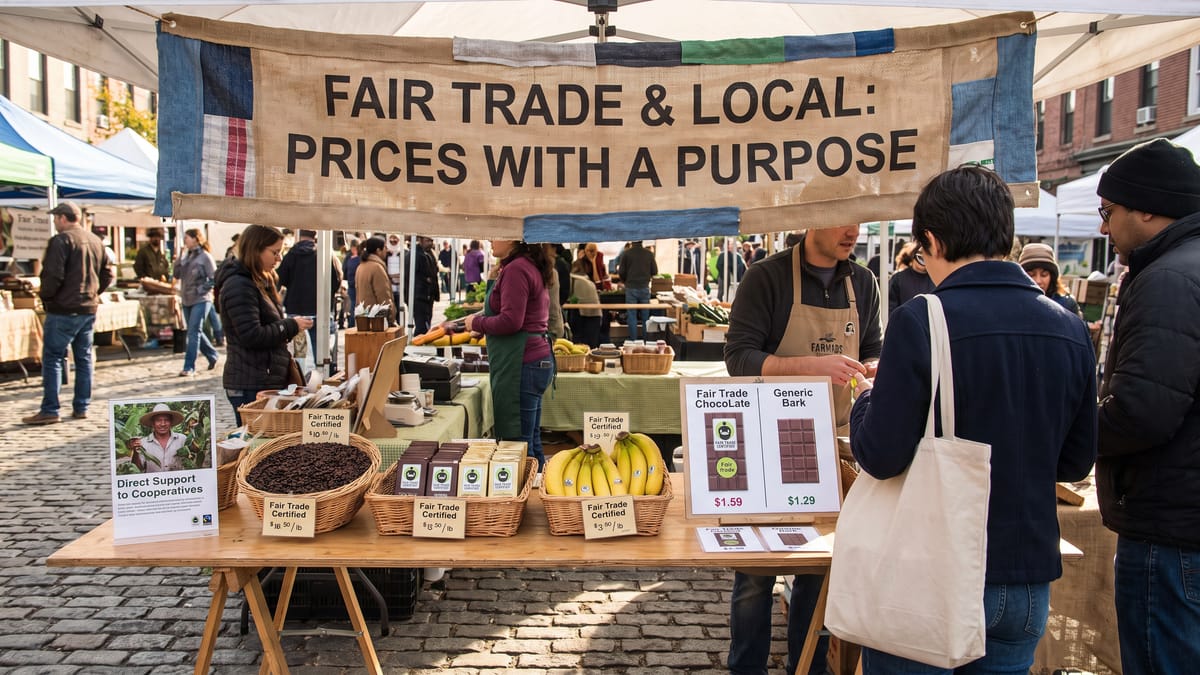
One of the first things we notice about ethical and fair trade products is often their price tag; they frequently sit at a premium compared to their conventional counterparts. This isn't simply an arbitrary markup. This higher cost reflects the true, often externalized, costs of production that conventional systems frequently bypass. Let's break down some of the key factors contributing to this difference:
Fair Wages and Living Incomes
At the heart of both ethical and fair trade is the commitment to paying producers and workers fairly. In many conventional supply chains, farmers, especially those in developing nations, are at the mercy of global commodity markets, often receiving prices that barely cover their production costs, let alone provide a living wage. This perpetuates a cycle of poverty. Ethical and fair trade models actively work to counteract this by ensuring that producers receive a price that allows them to live with dignity, reinvest in their farms, and provide for their families. This means the cost of labor is properly accounted for, rather than being squeezed to the lowest possible denominator.
Sustainable Farming Practices
Many ethical and fair trade products, particularly those certified organic or grown using ecological methods, incur higher production costs. Sustainable farming often involves more labor-intensive techniques, eschews expensive synthetic pesticides and fertilizers, and prioritizes soil health and biodiversity. While these practices lead to healthier ecosystems and higher quality products in the long run, the initial investment and ongoing maintenance can be greater than conventional, chemically-intensive agriculture. For instance, composting and natural pest control require more hands-on management than simply spraying chemicals.
Certification and Auditing
Obtaining and maintaining ethical or fair trade certifications isn't free. Organizations like Fairtrade International, Fair for Life, or Rainforest Alliance have rigorous standards that require independent auditing and verification. These costs, which ensure transparency and accountability, are naturally factored into the final product price. This investment, however, provides us, the consumers, with the assurance that the claims made on the packaging are legitimate and have been independently verified.
Shorter, More Transparent Supply Chains
Ethical and fair trade models often prioritize shorter, more direct supply chains. This reduces the number of intermediaries, fostering greater transparency and allowing a larger share of the final price to reach the producers. While this can sometimes mean higher transportation costs for smaller batches or more specialized logistics, it minimizes the profit margins taken by various middlemen, ensuring a more equitable distribution of value. We're paying for a more direct connection to the source, rather than a convoluted network where the primary producers are often at the bottom of the economic ladder.
Investment in Community Development
A significant aspect of many fair trade certifications is the social premium. This additional sum, paid on top of the fair price, is specifically earmarked for community development projects. Farmers and workers, through their cooperatives, democratically decide how these funds are invested, whether it's for building schools, improving healthcare facilities, providing clean water, or offering training and education. When we buy a fair trade product, a portion of our purchase directly contributes to these vital community improvements, making our impact tangible and far-reaching.
The Economic Ripple Effect: Beyond the Price Tag
The economics of ethical and fair trade extend far beyond the immediate transaction. Our choices create powerful ripple effects that can transform communities and economies.
Empowering Farmers and Workers
By guaranteeing a stable income and a fair price, these models empower farmers and workers, especially women, to break free from cycles of poverty and exploitation. They gain greater control over their livelihoods, can plan for the future, and invest in improving their farms and businesses. This economic stability translates into better nutrition, education for their children, and improved living conditions, fostering self-reliance and resilience.
Fostering Sustainable Development
The emphasis on sustainable practices within ethical and fair trade frameworks contributes to long-term environmental health. By promoting organic farming, agroforestry, and biodiversity, these systems help mitigate climate change, protect natural resources, and ensure the land remains productive for future generations. This is a crucial economic benefit, as environmental degradation often leads to decreased yields and increased vulnerability for agricultural communities.
Building Stronger Communities
The social premium component of fair trade is a powerful tool for community development. By investing in infrastructure, education, and healthcare, these funds create stronger, more resilient communities. This collective investment improves the overall quality of life, reduces social inequalities, and builds local capacity, fostering a sense of ownership and collaboration. When a community can afford to build a new well or a health clinic, the benefits are shared by everyone.
Encouraging Market Transformation
As consumer demand for ethical and fair trade products grows, it sends a clear signal to conventional businesses. This pressure can encourage larger companies to adopt more responsible practices, leading to a broader market transformation. The more we choose these products, the more viable and attractive these ethical supply chains become, slowly but surely shifting the paradigm of global trade.
Making It Practical: How We Can Incorporate Ethical and Fair Trade Choices into Our Home Cooking
Now that we understand the profound impact of these choices, how can we practically integrate them into our daily cooking and shopping habits without breaking the bank or feeling overwhelmed? It's about conscious consumption, not necessarily perfection.
Start Small, Start Smart
We don't need to overhaul our entire pantry overnight. Begin with a few key staples we use regularly. Coffee, tea, and chocolate are often excellent starting points, as they are widely available in ethical and fair trade varieties. Spices, sugar, and bananas are also common fair trade items. Gradually expand our repertoire as we become more comfortable and knowledgeable.
Look for Certifications
Familiarize ourselves with common ethical and fair trade certifications. While Fairtrade International is perhaps the most recognized, others like Rainforest Alliance, Fair for Life, and even specific organic certifications (USDA Organic, EU Organic) indicate a commitment to higher standards. These labels provide a quick and reliable way to identify products that align with our values.
Prioritize Our Values
Consider what ethical concerns resonate most with us. Is it fair wages for farmers? Environmental sustainability? Animal welfare? Focusing on one or two key areas can make the decision-making process less daunting. For example, if animal welfare is paramount, we might prioritize pasture-raised eggs or humanely raised meats.
Read Labels and Do a Little Research
Beyond certifications, many brands are transparent about their sourcing and production practices. Take a moment to read the packaging, visit company websites, and learn about their commitments. A quick online search can often reveal a brand's ethical standing and their impact on communities. This small investment of time can lead to much more informed choices.
Support Local and Seasonal
While not always explicitly "fair trade" in the international sense, buying local and seasonal produce directly from farmers or farmers' markets often embodies many ethical principles. It supports our local economy, reduces transportation emissions, and allows us to connect directly with the people who grow our food, fostering trust and transparency. We can ask questions about their farming practices and how they treat their workers.
Cook More from Scratch
Reducing our reliance on highly processed foods naturally leads us to focus on whole ingredients. When we cook from scratch, we have greater control over the quality and sourcing of each component. This allows us to intentionally choose ethical and fair trade ingredients for our culinary creations, from the spices we use to the sugar that sweetens our desserts.
Embrace "Imperfect" Produce
Sometimes, ethical choices also involve reducing food waste. "Imperfect" produce, often sold at a discount, is perfectly edible and can be a fantastic way to stretch our budget while still making responsible choices. Many grocery stores and even dedicated services now offer "ugly" produce boxes.
Advocate and Share
Our choices as consumers have power, but so does our voice. Share our knowledge and experiences with friends and family. Encourage discussions about the importance of ethical sourcing. The more collective awareness there is, the greater the demand for these products, further strengthening the market for a more just and sustainable food system.
Putting It All Together
The journey towards a more ethical and fair food system is a collective one, driven by the choices we make every day in our kitchens and at the grocery store. The economics of ethical and fair trade food products reveal a powerful truth: the perceived "higher cost" is often simply the true cost, reflecting fair compensation, sustainable practices, and investment in communities. When we choose these products, we aren't just buying food; we're investing in a future where farmers are paid fairly, the environment is respected, and communities thrive. It's a culinary revolution, one ingredient at a time, where our plates become platforms for positive change. Let's continue to explore, learn, and savor the profound satisfaction that comes from knowing our food choices are making a tangible difference in the world.