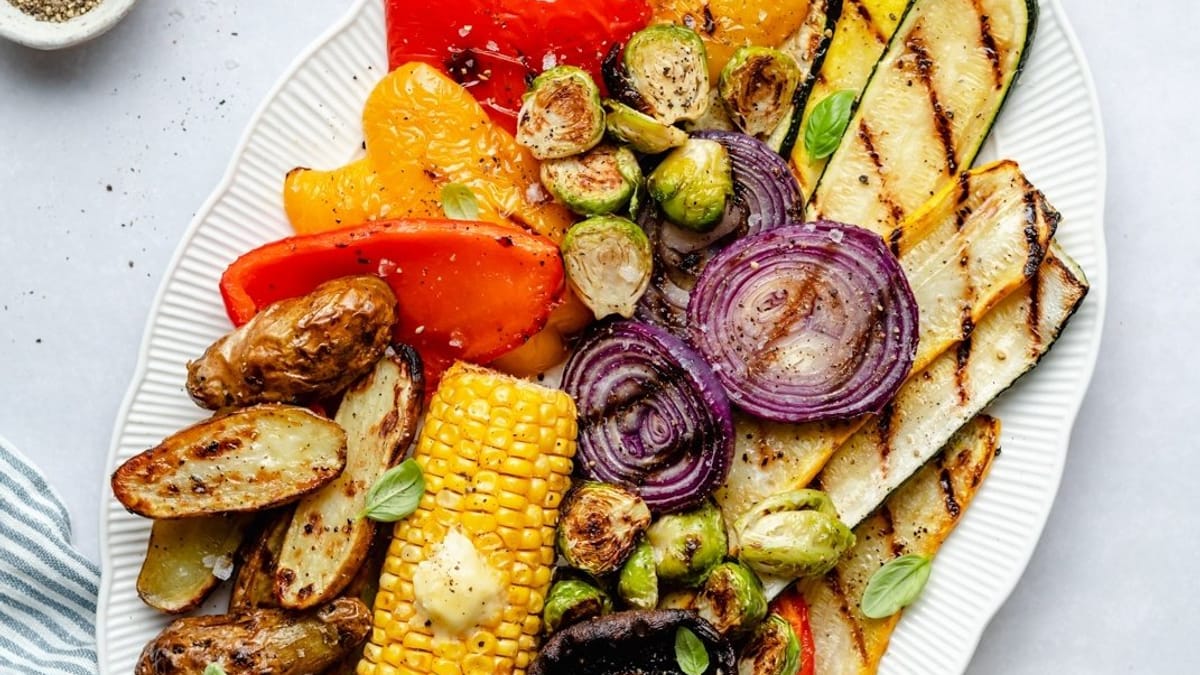
The Best Techniques for Grilling Vegetables
Grilling vegetables can transform a simple meal into a vibrant feast of flavors and textures. The smoky char from the grill enhances the natural sweetness of vegetables, making them utterly irresistible. Whether we’re hosting a summer barbecue or just enjoying a casual weeknight dinner, grilled veggies are a delightful addition that can please both vegetarians and meat-lovers alike. Let’s dive into the best techniques for grilling vegetables so we can all elevate our outdoor cooking game.
Selecting the Right Vegetables
Before we fire up the grill, we should consider which vegetables will work best for grilling. Not all vegetables are created equal when it comes to heat and cooking time. We want to select those that can withstand high temperatures without turning to mush.
Heartier vegetables like bell peppers, zucchini, asparagus, eggplant, and mushrooms are excellent choices. These vegetables have a firm texture that allows them to hold their shape while developing those beautiful grill marks. On the other hand, softer vegetables like tomatoes or leafy greens may not fare as well on the grill unless we use specific techniques to prevent them from falling apart.
Preparing Vegetables for Grilling
Preparation is key to achieving perfectly grilled vegetables. We start by washing our vegetables thoroughly to remove any dirt or residue. Once clean, we can cut them into uniform pieces. This is important because it ensures even cooking. For larger vegetables like bell peppers and zucchini, slicing them into thick strips or rounds will allow them to grill nicely without overcooking.
Next, we can consider marinating or seasoning our vegetables. A simple marinade can work wonders in enhancing flavor. We might combine olive oil, balsamic vinegar, garlic, and our favorite herbs to create a delicious soak for our veggies. Marinating for just 30 minutes can add a depth of flavor that makes a noticeable difference. If we’re short on time, a light drizzle of olive oil and a sprinkle of salt and pepper can also do the trick.
The Right Tools for Grilling
Having the right tools can make grilling vegetables easier and more enjoyable. Investing in a good quality grill basket or grill mat can be a game-changer. These tools prevent smaller pieces from slipping through the grates while allowing the smoke to infuse the vegetables.
Skewers are another fantastic option for grilling certain vegetables. We can thread chunks of bell peppers, onions, and zucchini onto skewers for a colorful kabob that’s easy to handle. If we’re using wooden skewers, let’s remember to soak them in water for at least 30 minutes before grilling to prevent them from burning.
Preheating the Grill
Once our vegetables are prepared and our tools are ready, we can move on to preheating the grill. This step is crucial for achieving that perfect char. A hot grill will sear the vegetables quickly, creating a caramelized exterior while keeping the insides tender.
We should aim for medium-high heat, around 400°F to 450°F. If we hold our hand about six inches above the grill grates, we should be able to feel the heat radiating. If it feels too hot to keep our hand there for more than a few seconds, we’re ready to start grilling!
Grilling Techniques
Now comes the fun part—actually grilling the vegetables. We can start by placing our vegetables directly on the grill grates or in our grill basket. If we’re using skewers, we can lay them directly on the grates as well.
To prevent sticking, we might want to lightly oil the grill grates before adding the vegetables. A paper towel soaked in oil, held with tongs, can work wonders for this.
As our vegetables cook, we should keep an eye on them and turn them occasionally to ensure even grilling. Depending on the type and size of the vegetables, cooking times can vary. We can expect bell peppers and zucchini to take about 5 to 7 minutes per side, while asparagus may only require about 3 to 5 minutes.
One of the best indicators that our vegetables are done is when they develop those lovely grill marks and become tender but still have a slight crunch. We should be cautious not to overcook them, as we want to retain their vibrant color and nutritional value.
Adding Flavor While Grilling
To elevate the flavor while grilling, we can consider incorporating herbs and spices directly onto the vegetables as they cook. A sprinkle of smoked paprika or a dash of cayenne can add an exciting kick. For a fresh finish, we might consider grating some lemon zest or sprinkling fresh herbs like parsley or cilantro over the vegetables just before serving.
Another technique to enhance flavor is to add a smoky element. We can soak wood chips in water and place them in a smoker box or wrap them in aluminum foil with holes punched in it. This will create a fragrant smoke that infuses our vegetables with an irresistible aroma.
Experimenting with Different Recipes
Grilling vegetables opens the door to endless culinary creativity. We can experiment with various marinades, seasonings, and cooking methods. For instance, we might try grilling corn on the cob for a sweet, smoky treat. Simply husk the corn, soak it in water, and place it directly on the grill for about 15 minutes, turning occasionally.
For a unique twist, we can also consider grilling fruits like peaches or pineapples. The sugars caramelize beautifully over heat, creating a sweet contrast to savory dishes. Grilled peaches with a scoop of vanilla ice cream, anyone?
If we’re feeling adventurous, we could also try a veggie-packed grilled salad. After grilling our favorite vegetables, we can toss them with fresh greens, a light vinaigrette, and crumbled feta cheese for a delicious and healthy meal.
Serving Grilled Vegetables
Once our vegetables are beautifully grilled, it’s time to serve them. We can arrange them on a platter and drizzle with a touch of olive oil and a sprinkle of sea salt. If we want to take it up a notch, we can blend a homemade herb dressing or a zesty chimichurri to drizzle over the top.
Grilled vegetables can serve as an excellent side dish or even a main course when paired with grains or legumes. They also make for fantastic leftovers. We can toss them into salads, add them to wraps, or incorporate them into pasta dishes for a quick and healthy meal throughout the week.
Final Thoughts
Grilling vegetables is not only a simple and tasty way to enjoy our favorites but also an opportunity to experiment and have fun in the kitchen. By selecting the right vegetables, preparing them thoughtfully, and using the right techniques, we can create delicious dishes that will impress our friends and family.
Whether we’re grilling at a backyard barbecue or just for a cozy dinner at home, we can all enjoy the delicious, smoky flavors that grilled vegetables bring to our plates. So, let’s fire up the grill, embrace our creativity, and savor the vibrant, delicious world of grilled vegetables!