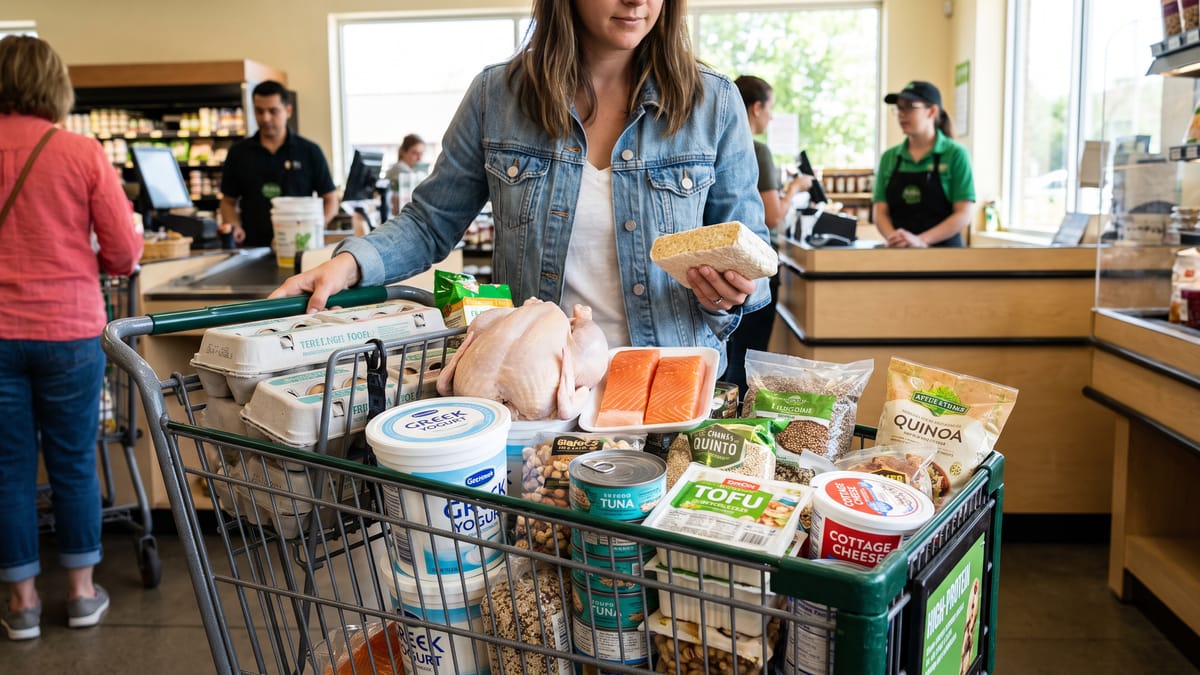
The Best Foods to Add to Your Grocery List When You Want More Protein
Are you looking to supercharge your meals, feel more satiated, and support your body's incredible machinery? Then you, my friend, are in the right place. We're diving deep into the wonderful world of protein, exploring how to effortlessly weave more of this vital macronutrient into your daily diet. Forget bland, restrictive eating; we're talking about delicious, accessible, and utterly satisfying foods that will transform your grocery list and your kitchen adventures.
Protein is the unsung hero of our diets, playing a crucial role in everything from building and repairing tissues to producing enzymes and hormones. It helps us feel full, keeps our energy levels stable, and is fundamental for a robust immune system. Whether you're an avid gym-goer, a busy parent, or simply someone looking to feel their best, prioritizing protein is a game-changer. So, let's embark on this culinary journey together, uncovering the best foods to add to your cart on your next grocery run.
The Power of Protein: Why It Matters
Before we stock our virtual or physical carts, let's take a moment to appreciate why protein deserves a starring role in our diets. Think of protein as the building blocks of life. Every cell in our body contains protein, and it's constantly being broken down and rebuilt. This incredible process requires a steady supply of amino acids, the smaller units that make up protein.
When we consume adequate protein, we're essentially providing our bodies with the raw materials they need to thrive. This translates into stronger muscles, healthier hair and nails, and a more efficient metabolism. For those of us trying to manage our weight, protein is a secret weapon. It boosts satiety, meaning we feel fuller for longer, which can naturally lead to consuming fewer calories overall. Moreover, the body expends more energy digesting protein compared to carbohydrates or fats, a phenomenon known as the thermic effect of food. It's a win-win situation.
Demystifying Protein Sources: Animal vs. Plant
The world of protein is wonderfully diverse, offering options for every palate and dietary preference. Broadly, we can categorize protein sources into animal-based and plant-based. Both have their unique advantages and can contribute significantly to our daily intake.
Animal proteins, often referred to as "complete proteins," contain all nine essential amino acids our bodies cannot produce on their own. These include meats, poultry, fish, eggs, and dairy products. They are typically very bioavailable, meaning our bodies can easily absorb and utilize their nutrients.
Plant proteins, while often described as "incomplete" because they may lack one or more essential amino acids individually, can easily form a complete protein profile when consumed in combination throughout the day. Think of pairing legumes with grains, for instance. This makes plant-based eating a perfectly viable and nutritious option for meeting protein needs. Furthermore, plant-based proteins often come with the added benefits of fiber, vitamins, and minerals, without the saturated fat sometimes associated with animal products.
Our goal here isn't to declare one superior to the other, but rather to embrace the rich variety available and empower you to make informed choices that align with your lifestyle and health goals.
The Meaty Marvels: Animal-Based Protein Powerhouses
Let's start with the classic protein champions that have graced our plates for centuries. These are often the go-to for those seeking a straightforward and efficient protein boost.
Chicken and Turkey: Lean and Versatile
Ah, chicken and turkey, the undisputed kings of lean protein. These poultry powerhouses are incredibly versatile, relatively inexpensive, and boast an impressive protein-to-calorie ratio. A skinless chicken breast, for example, is packed with protein and very little fat.
- • Grocery List Tip: Look for boneless, skinless breasts or thighs for quick cooking. Ground chicken or turkey is excellent for leaner burgers, meatballs, or stir-fries. Opt for organic or free-range if your budget allows, for potentially better flavor and ethical considerations.
- • Kitchen Wisdom: Roast a whole chicken at the beginning of the week and use the shredded meat for salads, sandwiches, soups, or tacos. Turkey mince makes fantastic chili or lettuce wraps. Don't be afraid to experiment with different marinades and spice rubs to keep things exciting.
Beef: Robust and Nutrient-Rich
Beef, particularly leaner cuts, offers a robust flavor and a wealth of essential nutrients, including iron, zinc, and B vitamins, in addition to its high protein content. While some cuts can be higher in saturated fat, choosing wisely allows us to enjoy its benefits without overdoing it.
- • Grocery List Tip: Look for leaner cuts like sirloin, flank steak, or top round. Ground beef with a higher lean-to-fat ratio (e.g., 90/10 or 93/7) is also a great option for minimizing fat while maximizing protein.
- • Kitchen Wisdom: Marinate tougher cuts like flank steak to tenderize them, then grill or pan-sear for a quick weeknight meal. Ground beef is a staple for pasta sauces, casseroles, and hearty stews. Consider making your own beef jerky for a protein-packed snack on the go.
Pork: A Surprisingly Lean Option
Pork often gets a bad rap, but many cuts are surprisingly lean and offer a fantastic source of protein. Pork loin, tenderloin, and some cuts of ham are excellent choices.
- • Grocery List Tip: Pork tenderloin is exceptionally lean and cooks quickly. Pork chops (loin or rib) are also good options. When buying bacon, look for uncured varieties and consume in moderation.
- • Kitchen Wisdom: Pork tenderloin can be roasted whole or sliced into medallions and pan-fried. It pairs beautifully with fruit-based sauces or robust herbs. Leftover cooked pork can be shredded for sandwiches or added to fried rice.
Fish and Seafood: Ocean's Bounty of Protein
The ocean provides an incredible array of protein-rich foods, often brimming with beneficial omega-3 fatty acids, which are crucial for heart and brain health.
- • Grocery List Tip: Salmon, tuna, cod, tilapia, shrimp, and scallops are all excellent choices. When buying canned tuna or salmon, opt for varieties packed in water to reduce extra calories. Look for sustainably sourced options whenever possible.
- • Kitchen Wisdom: Baked salmon with lemon and herbs is a simple yet elegant meal. Shrimp cooks in minutes, making it perfect for quick stir-fries or pasta dishes. Canned tuna can be transformed into quick salads, sandwiches, or even tuna patties. Don't forget about sardines, a tiny but mighty source of protein and omega-3s.
Eggs: The Incredible, Edible Protein Packet
Eggs are, without a doubt, one of nature's most perfect protein packages. They are affordable, versatile, and contain all nine essential amino acids, along with a host of vitamins and minerals.
- • Grocery List Tip: A carton of large eggs is a kitchen essential. Consider buying pasture-raised eggs for potentially higher nutrient content.
- • Kitchen Wisdom: Scramble them for breakfast, boil them for a quick snack, or poach them over avocado toast. Eggs can also bind ingredients in meatballs or meatloaf, or be baked into frittatas and quiches for a protein-packed meal at any time of day.
Dairy Delights: Protein in a Creamy Package
Dairy products aren't just for calcium; many are excellent sources of protein, offering convenience and deliciousness.
- • Grocery List Tip: Greek yogurt, cottage cheese, milk (dairy or fortified plant-based), and various cheeses are your friends here. Look for plain, unsweetened Greek yogurt to avoid added sugars.
- • Kitchen Wisdom: Greek yogurt is fantastic on its own, with fruit, or as a base for smoothies. Cottage cheese can be enjoyed with savory toppings or used in lasagna. Add a sprinkle of Parmesan to your pasta or a slice of cheddar to your sandwich for an easy protein boost.
The Green Revolution: Plant-Based Protein Powerhouses
For those embracing plant-based eating, or simply looking to diversify their protein sources, the plant kingdom offers an abundance of delicious and nutritious options.
Legumes: Beans, Lentils, and Chickpeas
These humble pantry staples are absolute protein superstars. They are also packed with fiber, which promotes digestive health and contributes to satiety.
- • Grocery List Tip: Stock up on dried or canned black beans, kidney beans, cannellini beans, lentils (green, brown, red), and chickpeas. If using canned, rinse them thoroughly to reduce sodium.
- • Kitchen Wisdom: Black beans are phenomenal in tacos, burritos, and chili. Lentils cook quickly and make hearty soups, stews, or even vegetarian "meat" loaves. Chickpeas are excellent roasted for a crunchy snack, blended into hummus, or added to salads and curries.
Tofu, Tempeh, and Edamame: Soy's Versatility
Soy products are incredibly versatile and absorb flavors beautifully, making them a fantastic canvas for culinary creativity.
- • Grocery List Tip: Look for firm or extra-firm tofu, tempeh (fermented soybean cake), and frozen edamame (soybeans in the pod).
- • Kitchen Wisdom: Press tofu to remove excess water, then marinate and bake, pan-fry, or scramble it. Tempeh has a nuttier, firmer texture and is great grilled or crumbled into stir-fries. Edamame makes a simple, satisfying snack, either steamed in the pod or shelled and added to salads.
Nuts and Seeds: Tiny but Mighty
Don't let their small size fool you; nuts and seeds are nutrient-dense powerhouses, offering healthy fats, fiber, and a decent amount of protein.
- • Grocery List Tip: Almonds, walnuts, cashews, peanuts, pumpkin seeds, sunflower seeds, chia seeds, and flax seeds are all excellent choices. Opt for raw or dry-roasted, unsalted varieties. Nut butters (peanut, almond, cashew) are also great, but check for minimal added sugar.
- • Kitchen Wisdom: Sprinkle nuts and seeds over oatmeal, yogurt, salads, or stir-fries. Blend them into smoothies for added creaminess and nutrition. Keep a small bag of mixed nuts and seeds for a quick, portable snack. Chia seeds can be used to make overnight puddings, while flax seeds can be ground and added to baked goods.
Whole Grains: More Than Just Carbs
While often celebrated for their complex carbohydrates and fiber, many whole grains also contribute a respectable amount of protein to our diets.
- • Grocery List Tip: Quinoa, oats, brown rice, farro, and whole-wheat pasta are fantastic additions. Quinoa is particularly notable as a complete protein.
- • Kitchen Wisdom: Start your day with a bowl of steel-cut oats. Use quinoa as a base for grain bowls, a substitute for rice, or even in salads. Brown rice makes a hearty side dish. Whole-wheat pasta provides more fiber and protein than its refined counterpart.
Nutritional Yeast: The Cheesy Secret
For a plant-based cheesy flavor and a significant protein boost, nutritional yeast is a game-changer. It's a deactivated yeast that comes in flake form.
- • Grocery List Tip: Find it in the bulk section or the natural foods aisle of your grocery store.
- • Kitchen Wisdom: Sprinkle it on popcorn, roasted vegetables, pasta, or use it to make a vegan cheese sauce. It adds a savory, umami depth to many dishes.
Smart Shopping Strategies for Protein Power
Now that we have a comprehensive list of protein-rich foods, let's talk about how to integrate them into your grocery routine efficiently and economically.
Plan Ahead, Save Big
Before you even step foot in the store (or click that "add to cart" button online), take a few minutes to plan your meals for the week. This will help you identify exactly what protein sources you need and prevent impulse buys. Look at what's on sale and build your meals around those deals.
Bulk Buying for the Win
Many protein sources, especially legumes, grains, and frozen meats/fish, are more economical when bought in larger quantities. Consider buying a big bag of dried beans or a family pack of chicken breasts if you have the freezer space to store them properly.
Don't Fear the Freezer Aisle
The freezer aisle is a treasure trove of protein. Frozen chicken, fish, shrimp, edamame, and even pre-portioned ground meats can be just as nutritious as their fresh counterparts, often at a better price point, and with the added convenience of longer shelf life.
Read Labels Like a Pro
When comparing similar products, always take a moment to glance at the nutrition label. Pay attention to the protein content per serving, and also look at sodium, added sugars, and saturated fat, especially in processed items like deli meats or flavored yogurts.
Embrace Versatility
Choose protein sources that can be used in multiple ways. A bag of lentils can become soup one night, a veggie burger the next, and a salad topping on another. This reduces waste and keeps your meals exciting.
Kitchen Hacks for Protein-Packed Meals
Bringing these protein heroes into your kitchen is where the magic truly happens. Here are some practical tips to make protein integration effortless and delicious.
Prep Like a Pro
Dedicate a little time each week to food prep. Cook a batch of quinoa or brown rice, hard-boil a dozen eggs, or roast a tray of chicken breasts. Having these ready-to-go components makes assembling quick, protein-rich meals a breeze during busy weekdays.
Sneak It In
If you have picky eaters or just want to boost the protein without drastically changing a dish, get creative. Add a scoop of unflavored protein powder to smoothies, oatmeal, or even pancake batter. Stir in some nutritional yeast to sauces or soups. Blend cottage cheese into creamy dressings or dips.
The Power of the Snack
Don't underestimate the power of protein-rich snacks to keep you full and energized between meals. Hard-boiled eggs, a handful of nuts, Greek yogurt, cottage cheese with fruit, or a small portion of jerky are all excellent choices.
Rethink Breakfast
Move beyond sugary cereals. Scrambled eggs with vegetables, Greek yogurt with berries and seeds, or a protein-packed smoothie can set a positive tone for your entire day. Overnight oats made with milk and chia seeds also offer a great protein kick.
Embrace the Leftovers
Cook a little extra dinner to ensure you have a protein-rich lunch the next day. A chicken and veggie stir-fry from last night can be a delicious and satisfying desk lunch today.
Putting It All Together
We've journeyed through the incredible landscape of protein-rich foods, from the robust flavors of beef to the humble versatility of lentils. We've uncovered the "why" behind prioritizing protein, explored the diverse options available, and armed ourselves with smart shopping and cooking strategies.
Remember, adding more protein to your diet doesn't have to be complicated or boring. It's about making conscious, delicious choices that nourish your body and delight your taste buds. By incorporating a variety of these fantastic foods into your grocery list, you're not just buying ingredients; you're investing in your health, your energy, and your overall well-being. So go forth, explore these protein powerhouses, and enjoy the incredible benefits they bring to your table and your life. Happy cooking!