The Benefits of Cooking at Home vs.Eating Out
Cooking at home has seen a resurgence in popularity, especially in recent years. With the rise of food blogs, cooking shows, and social media platforms dedicated to culinary creativity, there's never been a better time to don that apron and get cooking. But what are the real benefits of cooking at home compared to eating out? Let’s dive into the many advantages of home cooking, from health benefits to financial savings, and equip you with practical tips to make your kitchen the heart of your home.
Health Benefits of Cooking at Home
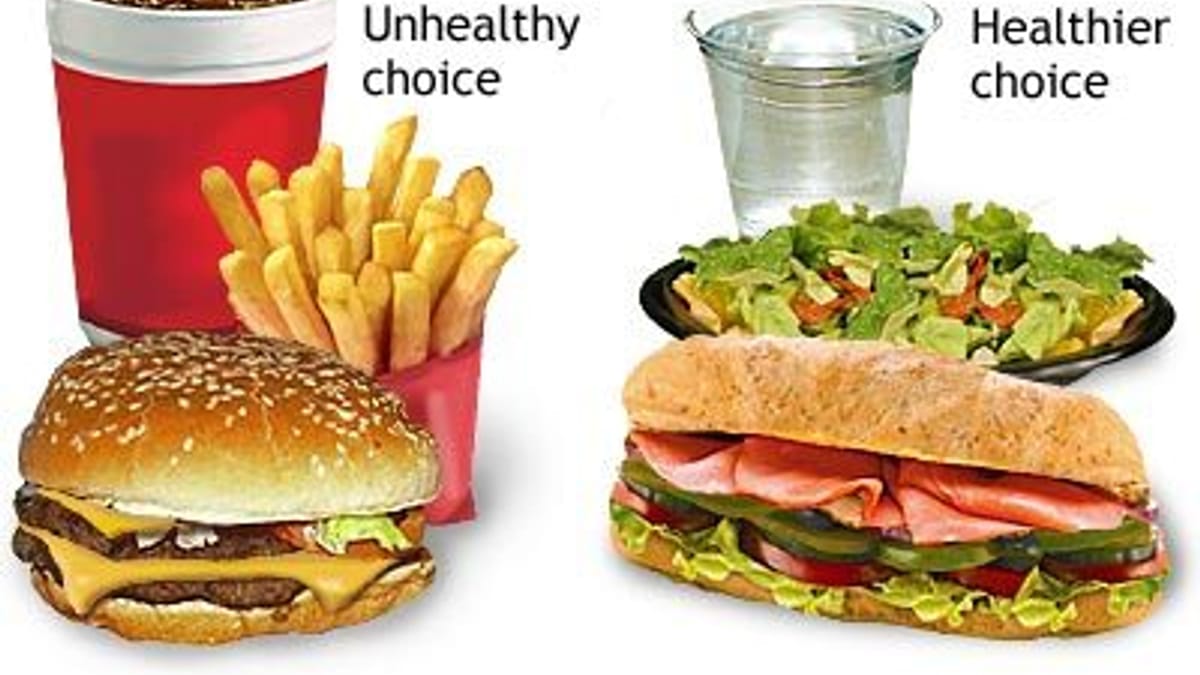
One of the most significant advantages of home cooking is the ability to control what goes into your meals. When you cook at home, you can prioritize fresh, wholesome ingredients and avoid additives and preservatives that are often found in restaurant meals.
Nutritional Control
- • Ingredient Awareness: When you prepare your meals, you’re aware of exactly what you’re putting in them. This allows you to choose healthier options, such as whole grains, lean proteins, and plenty of vegetables.
- • Portion Sizes: Eating out often leads to oversized portions, which can contribute to unhealthy eating habits. Cooking at home allows you to control your portion sizes, helping you to maintain a balanced diet.
Dietary Restrictions
For those with dietary restrictions or food allergies, cooking at home is particularly beneficial. You can tailor your meals to meet your specific needs without the fear of cross-contamination or hidden ingredients.
Financial Savings
Dining out can quickly drain your wallet, especially if you’re a frequent visitor to restaurants or cafes. Cooking at home can be a much more economical choice.
Cost of Ingredients vs. Restaurant Meals
- • Bulk Buying: When you cook at home, you can buy ingredients in bulk, which often leads to significant savings. Consider investing in staples such as rice, pasta, beans, and frozen vegetables that can be used in various meals.
- • Leftovers: Cooking at home often yields leftovers, which can be repurposed for lunch or dinner the next day, stretching your food budget even further.
Meal Planning
Creating a meal plan can save you money and reduce food waste. By planning your meals for the week, you can shop with a purpose, avoiding impulse purchases and ensuring you use all your ingredients.
Time Efficiency
Many people think that cooking at home takes significantly more time than eating out. However, with the right strategies in place, you can make home cooking a quick and enjoyable activity.
Meal Prep
Investing a little time on the weekend to meal prep can save you countless hours during the week. Chop vegetables, marinate proteins, or even cook entire meals in advance. Store them in the fridge or freezer for easy access throughout the week.
Quick Cooking Techniques
- • One-Pan Meals: Embrace the simplicity of one-pan meals, where you can cook your protein and vegetables together, minimizing cleanup time.
- • Embrace the Slow Cooker or Instant Pot: These kitchen gadgets can significantly reduce your cooking time. Simply throw in your ingredients in the morning, and by dinner time, you’ll have a delicious meal waiting for you.
Culinary Skills Development
Cooking at home offers an excellent opportunity to develop and refine your culinary skills. The kitchen can become a place of creativity and experimentation.
Experimentation with Flavors
When you cook at home, you can experiment with different cuisines and flavors. Don’t be afraid to try new spices, herbs, or cooking techniques. This exploration not only enhances your cooking but can also make meals more exciting.
Learning Techniques
- • Knife Skills: Take the time to learn proper knife skills; this will improve your efficiency and safety in the kitchen.
- • Cooking Methods: Familiarize yourself with various cooking methods, such as roasting, sautéing, grilling, and baking. Each technique can bring out different flavors and textures in your ingredients.
Quality Family Time
Cooking at home can be a wonderful way to bond with family and friends. It offers an opportunity to engage with loved ones while creating something delicious together.
Involving Kids in Cooking
Get your children involved in the cooking process. This can be a fun way to teach them about nutrition and cooking basics. Simple tasks like washing vegetables, stirring ingredients, or setting the table can make them feel included and responsible.
Hosting Dinner Parties
Invite friends over for a potluck or a themed dinner party. This not only makes for a fun evening but also allows everyone to share their culinary creations, fostering a sense of community.
Reducing Stress and Enhancing Mindfulness
Cooking can be a therapeutic activity, providing a break from the hustle and bustle of daily life. It allows you to slow down, focus on the task at hand, and enjoy the process.
Mindful Cooking
- • Focus on the Task: Take your time as you chop, sauté, and season. Enjoy the aromas and colors of your ingredients. This mindfulness can be a great way to unwind after a busy day.
- • Music and Atmosphere: Create a pleasant cooking atmosphere by playing your favorite music or lighting a candle. This can transform cooking from a chore into a delightful experience.
Environmental Impact
Cooking at home can also be a more sustainable choice. By preparing your meals, you can reduce packaging waste and opt for local, seasonal ingredients.
Ingredient Sourcing
- • Local Farmers’ Markets: Support your local economy by sourcing ingredients from farmers' markets. This not only provides you with fresh produce but also reduces the environmental footprint associated with transportation.
- • Seasonal Eating: Choose foods that are in season. They are often fresher, more flavorful, and better for the environment.
Practical Tips for Cooking at Home
To help you make the most of your home cooking experience, here are some practical tips to elevate your skills and enjoyment in the kitchen:
Stock Your Pantry
Keep a well-stocked pantry with essential ingredients, including:
- • Olive oil and vinegar
- • A variety of spices and herbs
- • Canned beans and tomatoes
- • Grains like rice, quinoa, and pasta
Invest in Quality Tools
Investing in a few quality kitchen tools can make a significant difference in your cooking experience. Consider a good chef's knife, a sturdy cutting board, non-stick pans, and measuring cups. These tools will enhance your efficiency and enjoyment.
Follow Recipes but Don’t Be Afraid to Adapt
While it’s great to follow recipes, don’t hesitate to adapt them based on what you have on hand. Cooking is about creativity, so feel free to substitute ingredients or adjust flavors to suit your palate.
Keep It Simple
Especially if you’re new to cooking, start with simple recipes that don’t require a lot of ingredients or complicated techniques. As you build your confidence, you can gradually tackle more complex dishes.
Embrace the Journey
Cooking at home is not just about the end product; it’s about the journey. Enjoy the process, learn from your mistakes, and celebrate your successes, no matter how small they may seem.
With the myriad of benefits that home cooking offers—from health and financial savings to skill development and quality time with loved ones—there's no better time to embrace the joys of preparing meals in your own kitchen. Next time you're tempted to eat out, consider the possibilities that await you at home. Your taste buds, wallet, and well-being will thank you!