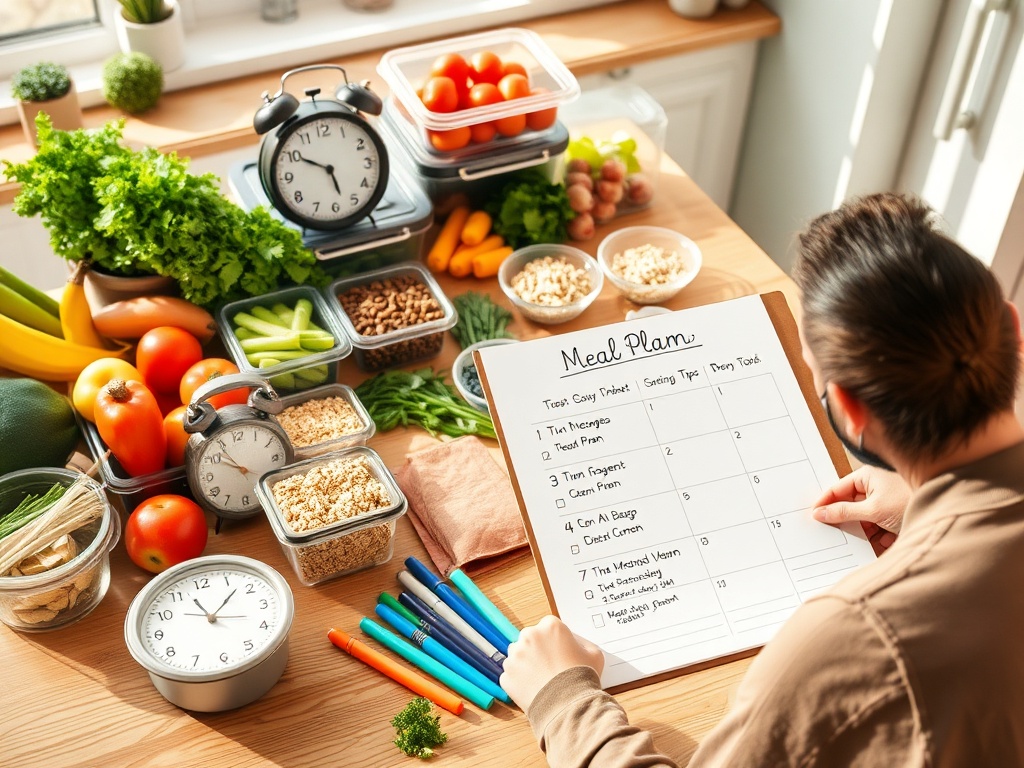
The Beginner's Guide to Meal Planning
Introduction The question "What's for dinner?" can feel like a daily burden. It arrives around 4 PM, sparking a frantic scramble through the fridge, a last-minute grocery run, or—more often than we'd like to admit—another expensive takeout order. Meal planning is the antidote to this chaos. It’s a simple, strategic practice of deciding what you’ll eat ahead of time. More than just a list, it’s a system that streamlines your life, reduces decision fatigue, and puts you back in control of your kitchen, your budget, and your health.
This guide is designed for the absolute beginner. We'll walk you through the "why" and the "how," breaking down the process into manageable steps. Forget complex spreadsheets and rigid, aspirational plans. We’re focusing on building a flexible, sustainable habit that works for _your_ real life. By the end, you'll have a clear roadmap to turn mealtime from a source of stress into a moment of calm, satisfying routine.
1. Why Meal Plan? The Four Core Benefits
Before diving into the process, understanding the rewards will fuel your motivation.
| Benefit | How It Works | Tangible Outcome |
|---|---|---|
| Saves Money | Eliminates impulse buys, reduces food waste by assigning a job to every ingredient, and minimizes expensive last-minute takeout. | An average family can save hundreds of dollars per month. You buy only what you need and use what you buy. |
| Saves Time | Consolidates shopping into one focused trip per week. Drastically cuts down on daily "what to cook" deliberation and last-minute store runs. | Frees up 30-60 minutes of mental and physical energy _every day_. |
| Reduces Stress | Removes the daily decision-making burden. You always have an answer to "What's for dinner?" and know you have the ingredients on hand. | A calmer, more predictable evening routine. Less anxiety and fewer arguments about meals. |
| Promotes Healthier Eating | Planning allows you to build balanced meals intentionally. It reduces reliance on processed foods and high-calorie takeout. | More home-cooked meals, better portion control, and a higher intake of fruits and vegetables. |
2. The 5-Step Meal Planning Framework for Beginners
Don't try to plan 21 perfect meals for the week. Start small and build from there. Here’s a simple, five-step process.
Step 1: Take a "Shelfie" (Inventory Your Kitchen)
Time: 10 minutes Before you choose a single recipe, look at what you already have.
- • Pantry: Check staples like pasta, rice, canned beans, tomatoes, and onions.
- • Fridge: What produce needs to be used up? Any leftover proteins? What sauces or dairy are nearing their expiration date?
- • Freezer: Look for forgotten proteins, frozen vegetables, or batch-cooked meals.
Step 2: Choose Your Recipes (The Rule of 5-2-2)
Time: 15 minutes For your first week, don't aim for seven unique, gourmet dinners. Use the 5-2-2 Rule:
- • 5 Dinners: Plan five main meals.
- • 2 Leftover Nights: Intentionally cook extra on two of those nights to cover two other dinners.
- • 2 "Flex" Meals: Keep two simple, pantry-based meal ideas in your back pocket (e.g., pasta with jarred sauce, scrambled eggs on toast, or a frozen pizza). This gives you a safety net for busy or low-energy nights.
- 1. Start with your "Use-It-Up" list. Have chicken thighs and broccoli? Find a sheet-pan chicken recipe.
- 2. Consult your household. Ask your family for one or two requests.
- 3. Pick familiar favorites. Now is not the time to try five complex new recipes. Stick with what you know.
- 4. Think about your schedule. Plan the quickest meals (e.g., 30-minute pasta) for your busiest nights. Save a more involved recipe for a day with more time.
Step 3: Build Your Master Grocery List
Time: 15 minutes Go through each of your five chosen recipes and write down every single ingredient you need.
- 1. Consolidate: Group the ingredients by store section (Produce, Meat, Dairy, Canned Goods, etc.). This turns your shopping trip into an efficient, zone-based route rather than a chaotic scavenger hunt.
- 2. Cross-Reference: Go back to your inventory list and cross off everything you already have. This is where the real savings happen. You’ll be surprised how many items you can skip buying.
- 3. Add Staples: Finally, add any household staples you're running low on (milk, bread, coffee, etc.).
Step 4: Shop Smart
Time: 45-60 minutes With your organized list in hand, the shopping trip becomes a mission, not a wander.
- • Stick to the list. The store is designed to make you spend more. Your list is your shield against impulse buys.
- • Don't shop hungry. This is classic advice for a reason. A hungry brain makes poor, expensive decisions.
- • Check unit prices. The biggest box isn't always the best deal. Compare the price per ounce/gram to find the true value.
Step 5: Prep for Success (The Sunday Reset)
Time: 30-60 minutes You don't have to spend hours cooking full meals. A little "prep-ahead" work makes weeknight cooking incredibly fast. Choose 2-3 of these tasks:
- • Chop vegetables: Dice onions, slice bell peppers, or chop carrots. Store them in airtight containers.
- • Wash and dry greens: Wash lettuce and spinach, then spin dry and store with a paper towel to keep it crisp.
- • Cook a grain: Make a big batch of rice or quinoa to use as a base for several meals.
- • Mix a sauce or dressing: Whisk together a vinaigrette or a marinade.
- • Portion proteins: If you bought a bulk pack of chicken, portion it out for each recipe.
3. Popular Meal Planning Methods
As you get more comfortable, you can explore different styles.
| Method | Best For | How It Works |
|---|---|---|
| Weekly Planning | Beginners, families with consistent schedules. | Plan 5-7 days of meals at a time. Shop once a week. This is the most common and balanced approach. |
| Bi-Weekly or Monthly | People with ample freezer/pantry space, budget-focused shoppers. | Plan for two weeks or a month. Involves a large initial shopping trip for non-perishables and frozen goods, with smaller weekly trips for fresh produce and dairy. |
| Theme Nights | Reducing decision fatigue, picky eaters. | Assign a theme to each night: Meatless Monday, Taco Tuesday, Pasta Wednesday, etc. You only have to decide _which_ taco recipe to make, not what type of food to cook. |
| Batch Cooking / Freezer Meals | Busy professionals, new parents. | Dedicate one day (e.g., a Sunday afternoon) to cook several meals in large batches. Freeze them in portions for easy reheating throughout the week or month. |
| Reverse Meal Planning | Spontaneous cooks, CSA box subscribers. | Shop first based on sales, seasonal produce, or what looks good. Then, build your meal plan around what you brought home. Requires more creativity but is great for using fresh, seasonal ingredients. |
4. Tips for Sticking With It
- • Start Simple: Your first plan might just be three dinners. That's a win! Don't let perfection be the enemy of progress.
- • Post Your Plan: Write it on a whiteboard, stick it on the fridge, or put it in a shared digital calendar. A visible plan creates accountability.
- • Be Flexible: Life happens. If a friend invites you out for dinner, just bump that night's meal to the next day. A plan is a guide, not a contract.
- • Build a "Success" Binder/Note: When a recipe is a hit with the family, add it to a list of "Tried and True" meals. Over time, this becomes your personal cookbook, making future planning faster.
- • Plan for Leftovers Intentionally: Don't just hope for them; plan them. Cook a double batch of chili on Monday for an easy lunch on Tuesday and a quick dinner on Thursday. This is called "Cook Once, Eat Twice (or Thrice)."
5. Sample One-Week Beginner Meal Plan
This plan uses the 5-2-2 Rule and focuses on overlapping ingredients.
"Use-It-Up" Items: Chicken breasts, spinach, onions, canned tomatoes.
| Day | Dinner | Notes |
|---|---|---|
| Monday | Sheet Pan Lemon-Herb Chicken with Roasted Broccoli & Potatoes | Cook extra chicken & veggies for Wednesday's lunch. Simple, minimal cleanup. |
| Tuesday | Quick Black Bean Tacos | Use canned black beans, pre-shredded cheese, and your favorite toppings. Ready in 15 minutes. |
| Wednesday | Leftover Chicken & Veggies | Reheat and serve as is, or shred the chicken and put it over a bed of spinach for a salad. |
| Thursday | One-Pot Pasta with Spinach & Tomatoes | Use the canned tomatoes and spinach from your inventory. The pasta cooks right in the sauce. Cook a double batch for Friday. |
| Friday | Leftover One-Pot Pasta | The easiest Friday night dinner you'll ever have. |
| Saturday | Flex Night: Homemade Pizza on Naan Bread | Use store-bought naan, jarred sauce, and any leftover veggies or cheese. Fun and fast. |
| Sunday | Flex Night: Breakfast for Dinner (Scrambled Eggs & Toast) | The ultimate low-effort, satisfying meal. |
- • Produce: Broccoli, Potatoes, Lemons, Onions, Garlic, Cilantro, Avocado
- • Meat: Chicken Breasts
- • Dairy: Shredded Cheese, Sour Cream, Eggs, Milk
- • Canned/Dry Goods: Black Beans, Canned Diced Tomatoes, Pasta, Taco Shells, Naan Bread, Bread
- • Pantry (Check First): Olive Oil, Salt, Pepper, Dried Herbs (e.g., oregano, thyme)
6. Tools and Resources
- • Apps: Paprika, Mealime, and Plan to Eat are popular for saving recipes, building plans, and creating grocery lists.
- • Analog: A simple magnetic whiteboard or a dedicated notebook works perfectly. The physical act of writing can be very effective.
- • Recipe Inspiration: Use sites like Allrecipes, Budget Bytes, or your Recipe2Kitchen collections to find reliable, easy-to-follow recipes.
Conclusion: Your First Step to a Calmer Kitchen
Meal planning is a skill, and like any skill, it gets easier with practice. Your first few weeks might feel a bit clunky, but stick with it. The feeling of opening your fridge on a Thursday night, knowing exactly what you're making, and having all the ingredients ready is a game-changer.
Start today. Take ten minutes to look through your kitchen. Plan just three meals for the upcoming week. Make a small, focused grocery list. You're not just planning dinner; you're buying back your time, saving your money, and creating space for more joy in your daily life.
Happy planning!