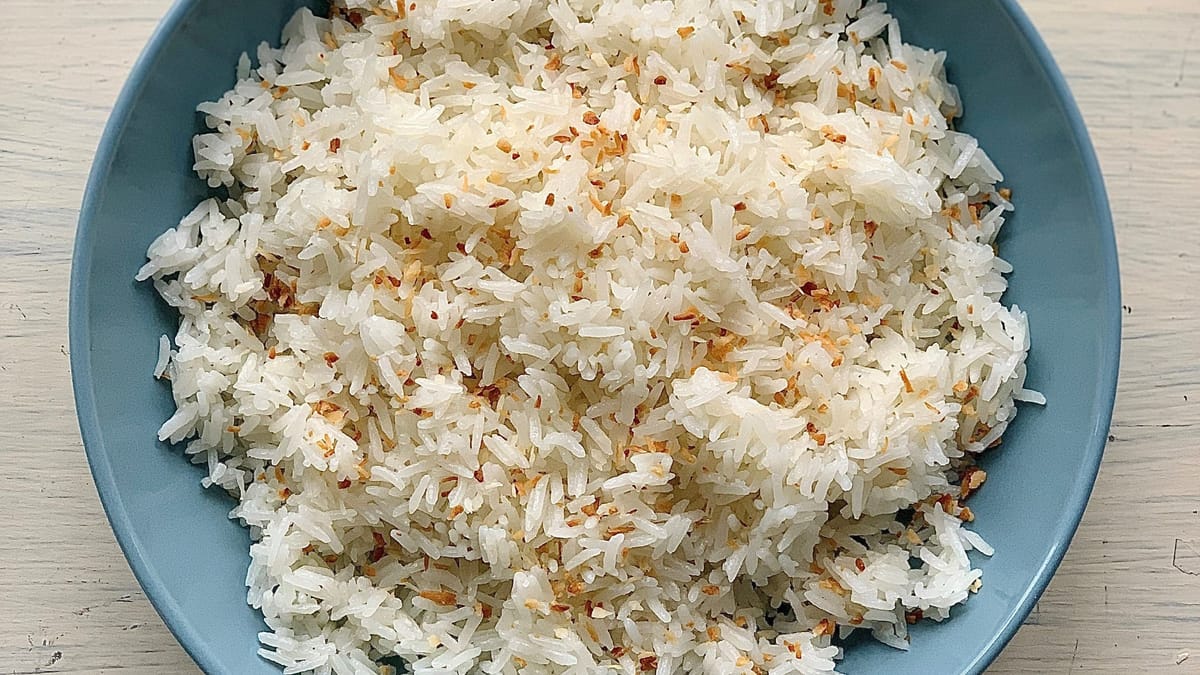
The Basics of Cooking with Coconut
Coconut is one of those magical ingredients that can transform a dish from ordinary to extraordinary. Its unique flavor, combined with a creamy texture and versatile nature, makes it a beloved staple in many cuisines around the world. From tropical curries to refreshing desserts, cooking with coconut opens up a world of culinary possibilities. In this post, we’ll explore the basics of cooking with coconut, including different forms of coconut, how to choose the right one for your recipes, and some practical tips to help you master this delightful ingredient.
Understanding Coconut: The Basics
Coconut comes from the coconut palm tree, predominantly found in tropical regions. While it is often associated with sweet dishes, its versatility allows it to shine in savory applications as well. Coconut can be used in various forms, including coconut milk, coconut cream, shredded coconut, and even fresh coconut meat. Each form has its unique flavor profile and texture, making it important for us to understand how to use them effectively in our cooking.
Different Forms of Coconut
Coconut Milk: This creamy liquid is extracted from the grated flesh of mature coconuts and is a staple in many Asian cuisines. It adds richness and depth to dishes, especially soups, curries, and desserts. There are different types of coconut milk available, from full-fat to lite, which can affect the creaminess of your dish.
Coconut Cream: Thicker and richer than coconut milk, coconut cream is made from the same process but with a higher coconut-to-water ratio. It is perfect for whipping or adding to desserts for an extra decadent touch.
Shredded Coconut: Available in sweetened or unsweetened forms, shredded coconut is often used in baking or as a topping for various dishes. It adds texture and a hint of coconut flavor, making it a delightful addition to granola, muffins, or even salads.
Fresh Coconut: If you’re feeling adventurous, you can buy a whole coconut and crack it open yourself! The fresh meat can be grated for use in recipes, and the water inside is a refreshing drink on a hot day.
Selecting the Right Coconut Product
When it comes to choosing coconut products, we want to ensure that we’re getting the best quality available. If using canned coconut milk or cream, look for options that are labeled as organic and free from additives. This ensures that you’re getting the purest flavor without any unwanted ingredients.
For shredded coconut, unsweetened varieties are often more versatile in savory dishes, while sweetened shredded coconut is perfect for desserts. Regardless of what we choose, reading labels and being mindful of the ingredients will help us make informed decisions.
Cooking Techniques with Coconut
Now that we have a better understanding of coconut and its various forms, let’s dive into some practical techniques for incorporating coconut into our cooking.
Cooking with Coconut Milk and Cream
When using coconut milk or cream in savory dishes, we want to add it at the right moment. For soups and stews, it’s best to add coconut milk towards the end of the cooking process to prevent it from curdling. This timing allows the flavors to meld beautifully without compromising the creamy texture.
When making desserts, coconut cream can be whipped to create a delightful topping for pies, cakes, or even fruit salads. To whip coconut cream, refrigerate a can overnight, then scoop out the solidified cream, leaving the liquid behind. Beat it with a mixer until fluffy, and voila! A vegan whipped cream alternative that adds a rich coconut flavor.
Baking with Shredded Coconut
Shredded coconut can elevate our baked goods in a multitude of ways. When adding it to recipes, consider toasting the coconut first. This simple step enhances its flavor, bringing out a nuttier, more aromatic quality. Just spread it on a baking sheet and pop it in the oven for a few minutes, watching closely to prevent burning.
Incorporating shredded coconut into muffins, pancakes, or cookies is an easy way to enjoy its flavor and texture. It pairs exceptionally well with chocolate, making it a fantastic addition to brownies or chocolate chip cookies.
Pairing Coconut with Other Ingredients
One of the joys of cooking with coconut is discovering how well it pairs with other flavors. Coconut’s natural sweetness complements a variety of ingredients, allowing for creative culinary combinations.
In savory dishes, we can marry coconut with spices like curry, ginger, and garlic. It adds a rich creaminess to curries and soups, balancing out the heat from spices. We can also combine coconut with lime for a refreshing twist, perfect for seafood dishes or salads.
For sweet dishes, coconut pairs well with tropical fruits like pineapple, mango, and banana. Whether in smoothies, desserts, or fruit salads, the combination of coconut and these fruits transports us to a tropical paradise.
Practical Tips for Cooking with Coconut
As we embark on our coconut cooking journey, here are some practical tips to keep in mind.
Experimenting is key. Don’t be afraid to try different forms of coconut in various dishes. For instance, coconut milk can be used in place of regular milk in many recipes, adding a unique flavor.
Pay attention to the quantity. Coconut has a distinct flavor, so it’s important to balance it with other ingredients. Start with smaller amounts and adjust according to your taste preference.
Storage matters. Canned coconut milk or cream can be stored in the refrigerator for up to a week after opening. Just make sure to transfer it to an airtight container to maintain its freshness. For shredded coconut, store it in a cool, dry place to prevent spoilage.
Coconut in Global Cuisines
Coconut is a beloved ingredient in many cuisines around the world. In Thai cooking, coconut milk is essential in curries and soups, imparting richness and flavor. Indian cuisine also features coconut in various forms, from coconut chutneys to coconut rice. Caribbean dishes often highlight coconut in both savory and sweet contexts, adding a tropical flair to dishes like coconut shrimp or coconut cake.
Exploring these global cuisines can inspire us to incorporate coconut into our own cooking. Trying a traditional Thai curry or a Caribbean dessert can open our eyes to new flavor profiles and techniques.
Embracing Coconut in Our Cooking
As we’ve discovered, cooking with coconut is not only enjoyable but also rewarding. Its versatility allows us to create a wide array of dishes, from comforting soups to decadent desserts. By understanding the different forms of coconut and how to best use them, we can elevate our culinary skills and bring a taste of the tropics into our kitchens.
So, whether we’re whipping up a coconut milk curry or baking a coconut-infused dessert, let’s embrace this wonderful ingredient and explore the endless possibilities it offers. With a little practice and creativity, we can become adept at cooking with coconut and delight our family and friends with delicious meals that showcase its unique flavor and texture. Happy cooking!