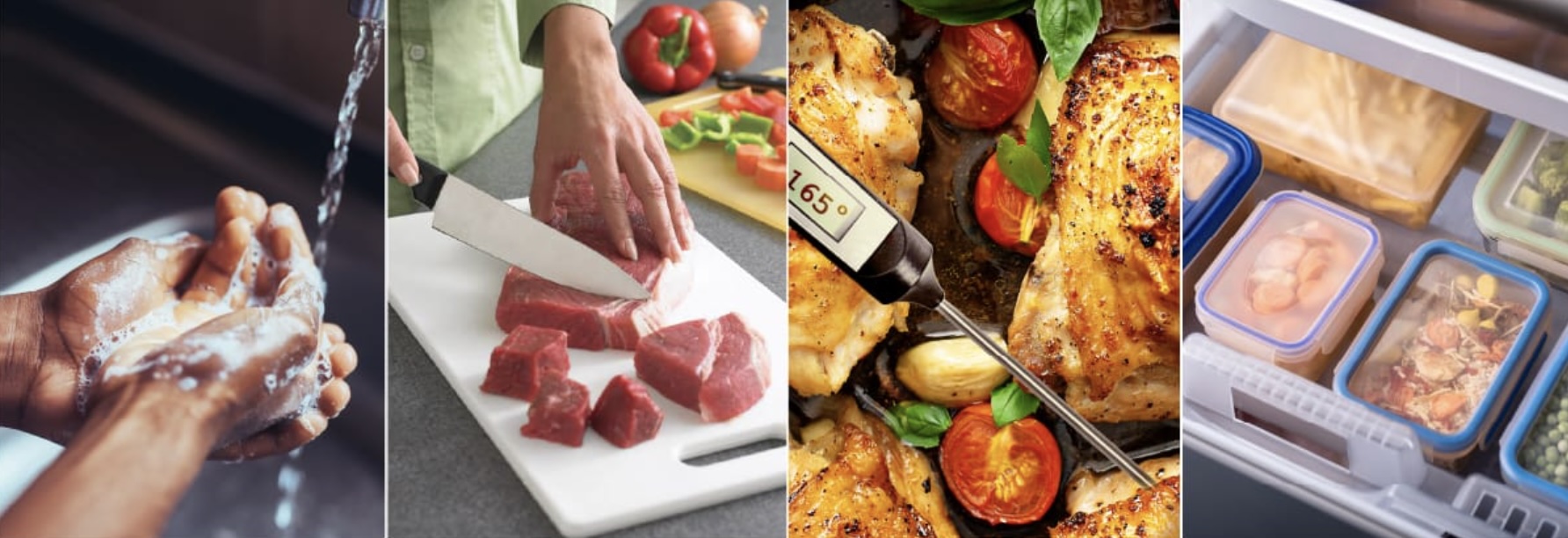
The Bacteria Breeding Ground You Call a Cutting Board
In our bustling kitchens, the cutting board often takes center stage. It’s where we chop, slice, and dice our way to culinary masterpieces. But did you know that this kitchen staple can also be a breeding ground for bacteria? It’s true! While we happily prepare our meals, we might be hosting a hidden party of germs just beneath the surface. Let’s take a closer look at this often-overlooked kitchen tool, explore why it can be a haven for bacteria, and most importantly, learn how we can keep our cutting boards clean and safe for food preparation.
Understanding the Cutting Board
Cutting boards come in various materials, including wood, plastic, and bamboo. Each type has its unique characteristics, benefits, and, yes, drawbacks. While plastic boards are often touted for their ease of cleaning, many home cooks swear by wooden boards for their durability and aesthetic appeal. However, this love for wood doesn’t come without its risks.
When we cut food, especially raw meat or fish, tiny fissures can form in the surface of the board. These cracks can trap food particles and moisture, creating the perfect environment for bacteria to thrive. In fact, studies have shown that wooden cutting boards can harbor fewer bacteria than their plastic counterparts when cleaned properly. This is largely due to the natural antimicrobial properties of certain types of wood. However, if they aren’t cared for correctly, they can quickly become a health hazard.
The Bacteria You Might Encounter
Let’s talk about the types of bacteria we might be inviting into our kitchens unknowingly. Common culprits include Salmonella, E. coli, and Listeria. These bacteria can lead to foodborne illnesses, which can range from mild stomach upset to more severe health issues. The last thing we want is to turn a delicious home-cooked meal into a trip to the doctor’s office.
Understanding where these bacteria come from is crucial. Raw meats, poultry, and fish are often the primary sources. When we chop vegetables or bread on the same board without proper cleaning in between, we risk cross-contamination. This means that bacteria from one food item can transfer to another, potentially leading to illness.
Best Practices for Keeping Our Cutting Boards Clean
We all want our kitchens to be safe havens for cooking, so let’s dive into some practical tips for keeping our cutting boards clean and bacteria-free.
First and foremost, we should designate specific boards for different types of food. For instance, using one board for raw meats and another for fruits and vegetables can drastically reduce the risk of cross-contamination. Color-coded cutting boards can make this easier; it adds a fun touch to our kitchen while ensuring safety.
After using our cutting boards, the next step is proper cleaning. For plastic boards, a hot soapy wash is usually enough. We can use a sponge or cloth to scrub the surface thoroughly. It’s essential to rinse well to remove any soap residue. For wooden boards, we should avoid soaking them in water, as this can cause warping or cracking. Instead, we can wipe them down with a damp cloth and a mild detergent. To give our wooden boards a deep clean, a mixture of vinegar and water or a sprinkle of baking soda can work wonders. These natural cleaners not only sanitize but also help eliminate odors.
Disinfecting for Extra Safety
Even after a good scrub, we might want to go the extra mile and disinfect our boards. This is particularly important after working with raw meat. To disinfect, we can use a solution of one tablespoon of unscented liquid chlorine bleach mixed with one gallon of water. After applying the solution, we should let it sit for several minutes before rinsing thoroughly and drying the board. This simple step can significantly reduce bacteria levels.
We should also keep in mind that cutting boards need to be replaced or maintained regularly. If our board develops deep grooves or scratches where bacteria can hide, it might be time to consider a new one. For wooden boards, regular oiling is essential to prevent drying and cracking. A food-safe mineral oil or a specialized cutting board cream can keep the wood hydrated and extend its lifespan.
Storing Our Cutting Boards Properly
How we store our cutting boards can also impact their cleanliness. Storing boards upright or in a well-ventilated area allows air to circulate, helping to dry them out and minimize bacteria growth. Avoid stacking them in a way that traps moisture between them. If we have more substantial boards, placing a paper towel or a clean cloth between them can absorb excess moisture.
The Role of Wood and Plastic in Bacteria Growth
As we navigate the world of cutting boards, it’s essential to understand how different materials affect bacteria growth. While many believe that plastic boards are less hospitable to bacteria, studies indicate that wood boards can actually be just as safe, if not safer, when maintained properly. Wood contains natural anti-microbial properties that can inhibit bacteria growth. However, this doesn’t mean wooden boards are invincible. They still require our attention and care to ensure they remain safe for food preparation.
If we’re concerned about bacteria, we might also consider investing in a bamboo cutting board. Bamboo is a sustainable option that is often harder than traditional wood, making it more resistant to cuts and scratches. As with any cutting board, proper cleaning and maintenance are still crucial.
Additional Tips to Enhance Our Cutting Board Experience
Beyond the basics of cleaning and maintaining our cutting boards, there are a few extra tips we can adopt to enhance our experience in the kitchen. For instance, we can make it a habit to scrape off food debris immediately after use. Not only does this help in keeping the board clean, but it also makes the subsequent washing easier.
If we’re preparing particularly pungent ingredients, like garlic or onions, we might want to consider using a separate board for these items. This prevents their strong flavors and aromas from lingering on our cutting board and transferring to other foods.
Lastly, we should embrace the beauty of our cutting boards. They can be more than just functional tools; they can also serve as decorative elements in our kitchens. Investing in a high-quality board that we love can inspire us to take better care of it, leading to a cleaner and more enjoyable cooking experience.
Final Thoughts
As we wrap up our discussion about the bacteria breeding ground we call a cutting board, it’s clear that these kitchen staples deserve our attention and care. By understanding the potential risks and implementing best practices for cleaning and maintenance, we can create a safe cooking environment for ourselves and our loved ones.
Let’s remember to designate boards for different foods, clean thoroughly after each use, and consider the materials we choose. With just a little extra effort, we can ensure our cutting boards remain not just functional tools, but also safe surfaces for our culinary adventures. So, the next time we step into our kitchens, let’s give our cutting boards the love and respect they deserve. Happy cooking!