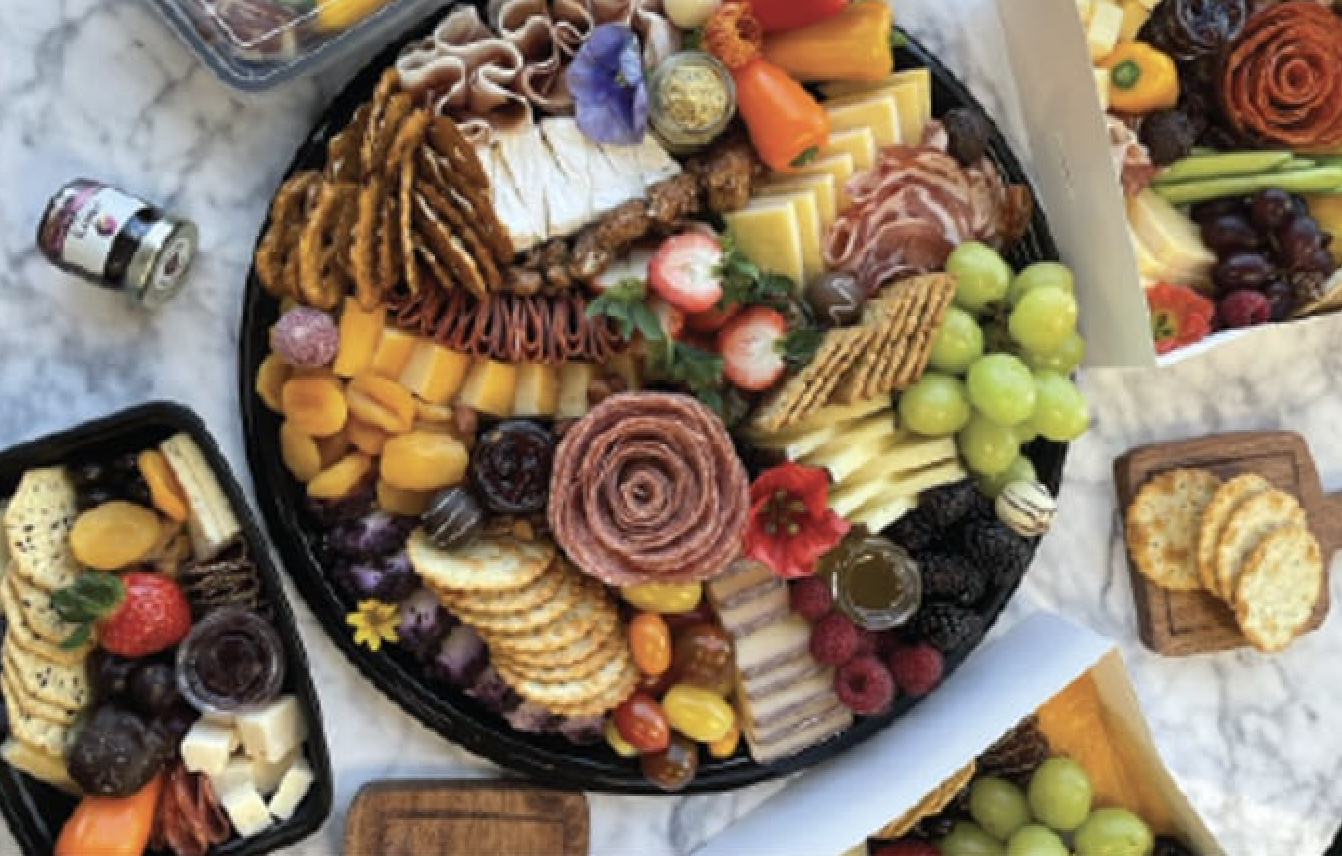
The Art of Building the Perfect Charcuterie & Cheese Board
The Art of Building the Perfect Charcuterie & Cheese Board
Creating a charcuterie and cheese board is not just an art; it’s a delightful experience that brings people together. Whether you’re hosting a gathering, enjoying a cozy night in, or celebrating a special occasion, a well-assembled board can elevate any event. In this comprehensive guide, we’ll explore everything you need to know about building the perfect charcuterie and cheese board, from selecting the right ingredients to presentation techniques that will impress your guests.
What is a Charcuterie & Cheese Board?
A charcuterie and cheese board is a beautifully arranged platter that typically includes a variety of cured meats, cheeses, fruits, nuts, spreads, and accompaniments. The key is to balance flavors, textures, and colors, creating an inviting and visually appealing display.
Why Create a Charcuterie & Cheese Board?
- 1. Versatility: Perfect for any occasion—appetizers for dinner parties, snacks for movie nights, or even a romantic dinner for two.
- 2. Customizable: You can tailor the ingredients to your guests' preferences, dietary restrictions, and seasonal availability.
- 3. Social Experience: Engaging and interactive, a charcuterie board encourages guests to mingle and share.
Selecting Your Ingredients
Creating the perfect charcuterie and cheese board starts with selecting the right ingredients. Here’s a breakdown of what to include:
1. Cheeses
Aim for a mix of textures and flavors. Here’s a handy guide:
| Type | Flavor Profile | Suggested Cheeses |
|---|---|---|
| Soft | Creamy, mild | Brie, Camembert, Goat Cheese |
| Semi-Hard | Buttery, nutty | Gouda, Gruyère, Havarti |
| Hard | Sharp, tangy | Aged Cheddar, Parmigiano-Reggiano |
| Blue | Pungent, complex | Gorgonzola, Roquefort |
2. Charcuterie
Choose a mix of cured meats that complement the cheeses:
- • Salami: Spicy or classic varieties add great flavor.
- • Prosciutto: Thinly sliced, it offers a delicate, savory touch.
- • Soppressata: A robust, Italian dry salami with a kick.
- • Chorizo: Adds a smoky, spicy element.
3. Fruits and Vegetables
Fresh fruits add color and sweetness, while pickled items provide acidity to balance richness:
- • Fresh Fruits: Grapes, figs, apple slices, and berries.
- • Dried Fruits: Apricots, dates, and raisins for chewiness.
- • Vegetables: Cherry tomatoes, olives, and pickles.
4. Nuts and Seeds
Introduce crunch and earthiness with a variety of nuts:
- • Almonds: Roasted or spiced for extra flavor.
- • Walnuts: A great pairing with blue cheese.
- • Pistachios: Adds a pop of color and unique taste.
5. Spreads and Accompaniments
Elevate your board with delicious spreads and dips:
- • Honey or Agave: Sweetness that pairs beautifully with cheese.
- • Mustard: A tangy kick that complements meats.
- • Hummus or Pesto: For a unique twist and added flavor.
Assembling Your Board
Now that you have your ingredients, it’s time to assemble your board! Follow these steps for a visually stunning and appetizing layout.
Step 1: Choose Your Board
- • Size: Select a board that suits the number of guests. A wooden cutting board, slate, or a large platter works well.
- • Shape: Consider a rectangular or circular board for visual interest.
Step 2: Layer Your Ingredients
- 1. Start with Cheese: Place your cheese first. Cut some into slices or cubes, leaving some whole for visual appeal.
- 2. Add Meats: Fold or roll your cured meats and place them near the cheese. Use varying shapes to create height and texture.
- 3. Incorporate Fruits and Vegetables: Fill in the gaps with fresh and dried fruits, and add vegetables in clusters for color.
- 4. Sprinkle in Nuts: Use small bowls or scatter them around the board for texture.
- 5. Fill with Spreads: Use small jars or bowls for spreads, placing them strategically around the board.
Step 3: Garnish
- • Fresh herbs such as rosemary or thyme can add a lovely aromatic touch.
- • Edible flowers or microgreens can enhance the visual appeal.
Presentation Techniques
A well-presented board will entice your guests. Here are some tips to make your charcuterie and cheese board stand out:
- 1. Color Balance: Choose ingredients that offer a variety of colors—think deep reds of salami, creamy whites of cheese, and vibrant greens of herbs.
- 2. Height Variation: Use different heights to create an appealing layout. Stack meats, place cheeses on risers, or use bowls for dips.
- 3. Patterns and Shapes: Alternate the arrangement of cheeses and meats in a pattern or shape for visual interest.
- 4. Labeling: Consider adding small labels for each cheese and meat, especially if you have a diverse selection. This adds a personal touch and helps guests know what they’re enjoying.
Pairing Suggestions
Pairing beverages with your charcuterie and cheese board can enhance the experience. Here are some suggestions:
| Cheese Type | Wine Pairing | Beer Pairing |
|---|---|---|
| Soft Cheese | Chardonnay | Light Lager |
| Aged Cheese | Cabernet Sauvignon | Amber Ale |
| Blue Cheese | Port or Sauternes | Stout or Brown Ale |
| Meats (Salami) | Chianti | IPA |
| Prosciutto | Prosecco | Wheat Beer |
Tips for Success
- • Freshness is Key: Use fresh ingredients and check expiry dates on meats and cheeses.
- • Room Temperature: Let cheeses sit out for 30 minutes before serving to allow flavors to develop.
- • Balance: Aim for a balance of flavors: salty, sweet, bitter, and spicy.
- • Seasonal Ingredients: Use seasonal fruits and vegetables for the freshest taste and colors.
Troubleshooting Common Issues
Even the best chefs face challenges! Here are common issues and how to solve them:
- • Too Many Flavors: If your board feels overwhelming, focus on a theme (e.g., Italian or Mediterranean) to create harmony.
- • Bland Board: If flavors are lacking, add a few more spreads, pickles, or spicy meats to enhance the taste.
- • Presentation Problems: If your board looks cluttered, simplify by removing some ingredients or rearranging for better flow.
Conclusion
Building the perfect charcuterie and cheese board is both an art and a science that requires a bit of practice and creativity. By selecting a variety of cheeses, meats, fruits, and accompaniments, and paying attention to presentation, you can create a stunning centerpiece that will impress your guests and provide a delicious experience. Remember, the best boards reflect your personal style and the tastes of your guests, so don’t be afraid to experiment. Now, gather your favorite ingredients, invite some friends over, and enjoy the delightful experience of sharing a beautifully crafted charcuterie and cheese board! Happy assembling!