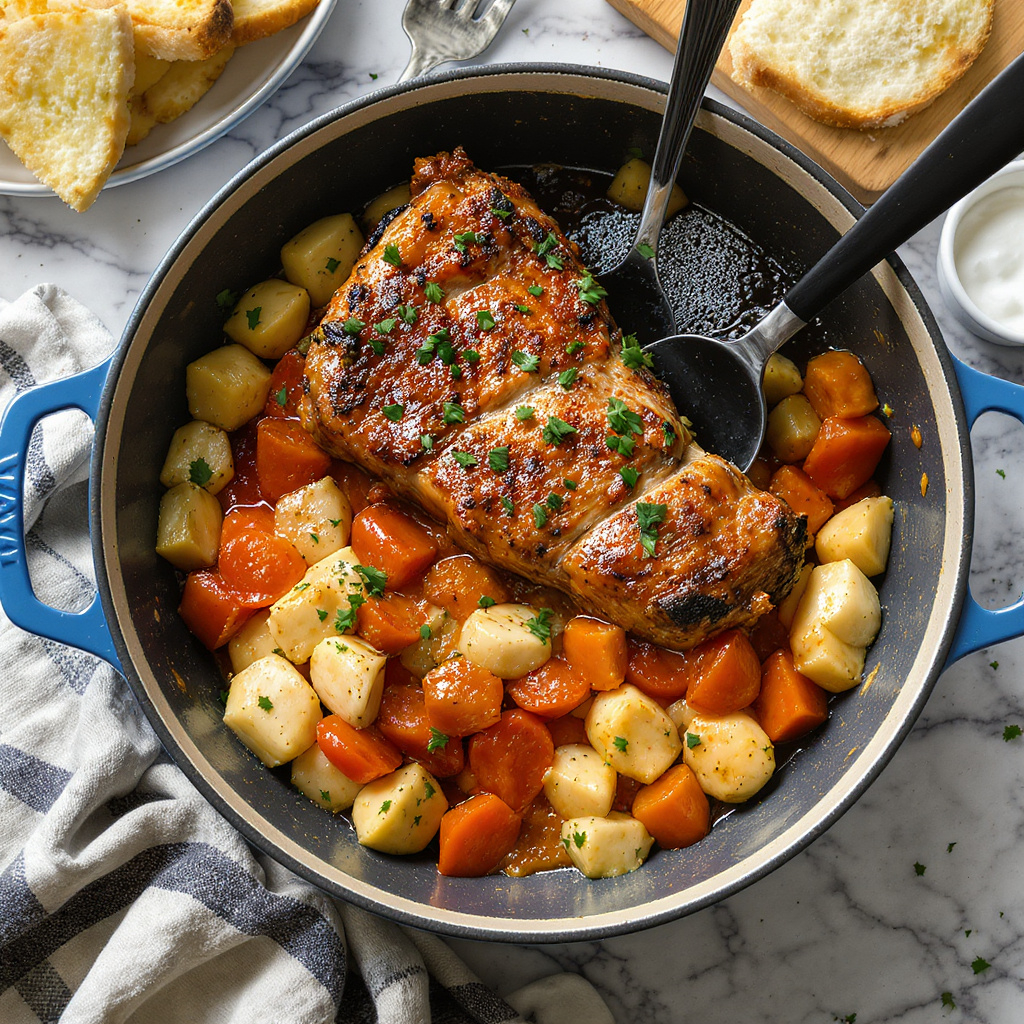
The Art of Batch Cooking: Cook Once, Eat for Days
The Art of Batch Cooking: Cook Once, Eat for Days
In our fast-paced lives, finding time to prepare healthy, delicious meals can feel like an uphill battle. Enter batch cooking: a game-changing technique that allows you to cook once and enjoy nutritious meals for days. Whether you're a busy professional, a parent juggling multiple responsibilities, or simply someone who loves to eat well, batch cooking can streamline your culinary routine and elevate your kitchen game. Let’s dive into the art of batch cooking and explore how you can make it work for you!
What is Batch Cooking?
Batch cooking involves preparing large quantities of food at once, typically for the purpose of saving time and effort during the week. This technique not only helps you avoid the daily dinner scramble but also allows you to control what goes into your meals. By cooking in bulk, you can ensure that you always have healthy options at your fingertips, ready to be heated and served.
Benefits of Batch Cooking
- 1. Time-Saving: Spend one day in the kitchen and enjoy hassle-free meals for the rest of the week.
- 2. Cost-Effective: Buying ingredients in bulk typically saves money and reduces food waste.
- 3. Healthy Eating: Control your ingredients to create balanced meals tailored to your dietary preferences.
- 4. Less Stress: Eliminate the daily pressure of meal preparation by having pre-cooked options available.
- 5. Variety: Prepare multiple dishes in one go, ensuring you have a diverse menu throughout the week.
Getting Started with Batch Cooking
Before you dive into batch cooking, it’s essential to have a solid plan. Here’s how to get started:
1. Choose Your Cooking Day
Pick a day when you have a few hours to dedicate to cooking. Sundays are popular, but pick a day that fits your schedule.
2. Plan Your Meals
Select recipes that you enjoy and are suitable for batch cooking. Aim for a mix of proteins, grains, and vegetables. Here are some ideas:
| Meal Type | Examples |
|---|---|
| Proteins | Grilled chicken, roasted tofu |
| Grains | Quinoa, brown rice, whole wheat pasta |
| Vegetables | Roasted seasonal veggies, stir-fried greens |
| Soups & Stews | Lentil soup, chili, vegetable stew |
| Breakfast Options | Overnight oats, egg muffins |
3. Make a Shopping List
Based on your meal plan, create a shopping list to ensure you have all the necessary ingredients. Stick to the perimeter of the grocery store where fresh produce, meats, and dairy are typically located, and avoid processed foods in the aisles.
4. Prepare Your Kitchen
Organize your kitchen before you start cooking. Clean your countertops, gather all necessary utensils, pots, and pans, and ensure you have ample storage containers ready to go.
Key Techniques for Batch Cooking
Now that you’re ready to start cooking, let’s explore some key techniques that will ensure your batch cooking is efficient and enjoyable.
1. Use the Right Containers
Invest in high-quality, airtight containers for storing your meals. Consider using:
- • Glass Containers: Durable and microwave-safe, great for reheating.
- • Freezer Bags: Ideal for saving space in your freezer and keeping food fresh.
- • Mason Jars: Perfect for salads or layered meals.
2. Cook Smart, Not Hard
Focus on cooking methods that allow you to prepare multiple items at once:
- • Sheet Pan Meals: Roast proteins and vegetables together on one pan for easy cleanup.
- • One-Pot Meals: Prepare soups, stews, or grains in a single pot to save time.
- • Slow Cookers and Instant Pots: Utilize these appliances for hands-off cooking.
3. Batch Prep Ingredients
Instead of cooking whole meals, consider preparing ingredients in bulk:
- • Chop Vegetables: Pre-chop a variety of vegetables and store them in containers for easy access throughout the week.
- • Cook Grains: Prepare large batches of quinoa, rice, or pasta to use as bases for various meals.
- • Protein Prep: Grill, bake, or sauté proteins in bulk, then portion them out for different dishes.
Meal Ideas for Batch Cooking
To inspire your batch cooking journey, here are some delicious meal ideas you can prepare in advance:
Breakfast
- • Overnight Oats: Combine oats, milk (or a milk alternative), yogurt, and fruits in jars. Let them sit overnight for a quick grab-and-go breakfast.
- • Egg Muffins: Whisk eggs with your favorite vegetables and cheese, pour into muffin tins, and bake. Store in the fridge for a quick breakfast option.
Lunch
- • Mason Jar Salads: Layer ingredients in a jar, starting with dressing at the bottom, followed by hearty veggies, grains, and greens on top. Shake and enjoy!
- • Quinoa Bowls: Cook a big batch of quinoa and top with roasted vegetables, chickpeas, and a drizzle of tahini.
Dinner
- • Chili: Make a large pot of chili packed with beans, tomatoes, and ground turkey (or a meat substitute). It freezes well for future meals.
- • Stir-Fried Rice: Use leftover rice and whatever vegetables or proteins you have on hand. Add soy sauce or teriyaki for flavor.
Snacks
- • Energy Bites: Combine oats, nut butter, honey, and chocolate chips, roll into balls, and refrigerate for a quick snack.
- • Vegetable Sticks with Hummus: Cut up carrots, cucumbers, and bell peppers and pair with homemade or store-bought hummus.
Storing and Reheating Your Meals
Proper storage and reheating techniques are crucial to maintaining the freshness and flavor of your batch-cooked meals.
Storage Tips
- • Label Containers: Include the name of the dish and the date it was made to keep track of freshness.
- • Use the Freezer: Most meals can be frozen for longer storage. Just ensure they are cooled completely before freezing.
- • Portion Control: Store meals in individual portions for easy access and to prevent overeating.
Reheating Tips
- • Microwave: Perfect for quick reheating. Ensure even heating by stirring midway through.
- • Oven: Reheat casseroles or baked dishes at 350°F (175°C) until warmed through.
- • Stovetop: For soups and stews, reheat in a saucepan over medium heat, stirring occasionally.
Troubleshooting Common Batch Cooking Issues
Even seasoned cooks can run into challenges when batch cooking. Here are some common issues and how to solve them:
1. Meals Taste Boring
- • Solution: Use herbs, spices, and sauces to add flavor. Experiment with different seasonings when preparing ingredients.
2. Food Spoils Too Quickly
- • Solution: Ensure proper cooling before refrigerating or freezing. Store items in airtight containers and consume them within 3-4 days if refrigerated.
3. Too Much Leftover Food
- • Solution: Scale down recipes based on your family size and appetite. Alternatively, become creative with repurposing leftovers (like turning roast chicken into chicken salad).
Conclusion
Batch cooking is a powerful tool that can transform your culinary routine, making healthy eating more accessible and enjoyable. By dedicating a few hours to meal prep, you can save time, reduce stress, and ensure delicious, homemade meals are always on hand. Whether you're a seasoned home cook or just starting, embrace the art of batch cooking and get ready to savor the benefits of cooking once and eating for days.
So, roll up your sleeves, gather your ingredients, and let’s get cooking! With practice and creativity, you’ll soon find that batch cooking is not just a practical approach but a delightful way to engage with your food. Happy cooking!