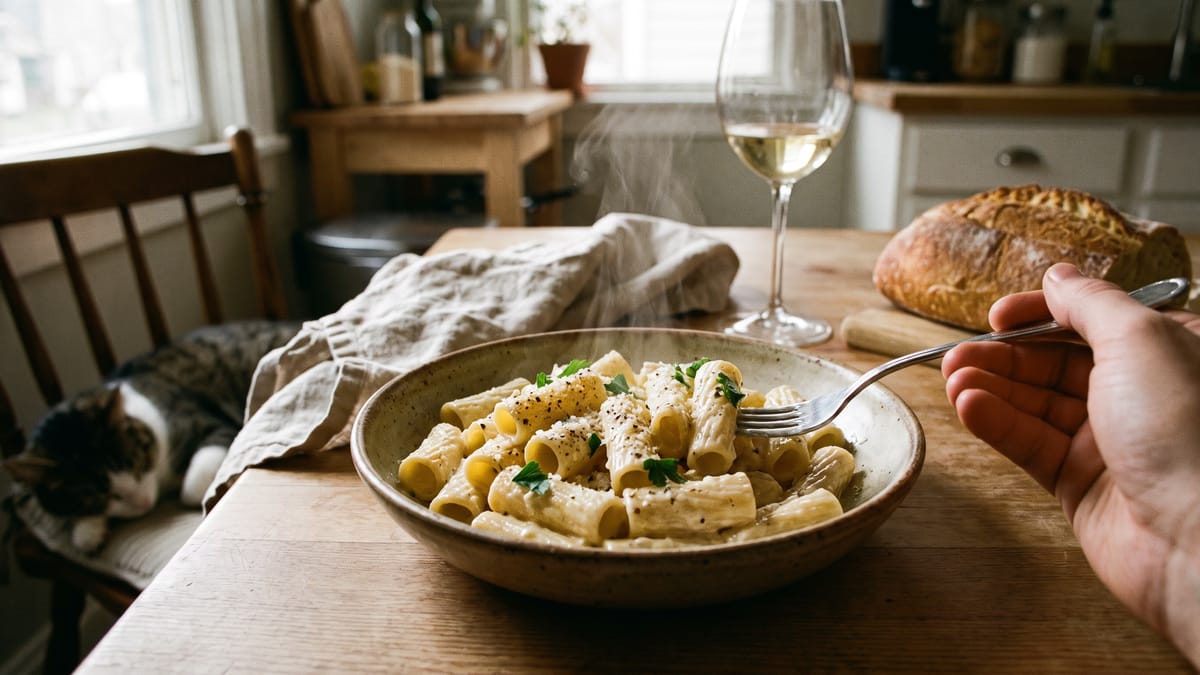
The 20-Minute Creamy Pasta Dinner That Always Gets Asked For
The kitchen, for many of us, is a sanctuary, a place where creativity blossoms and flavors intertwine. Yet, even in our culinary havens, there are those evenings when time is a cruel mistress, and the thought of an elaborate meal feels like an insurmountable mountain. We crave comfort, something deeply satisfying, but also something that materializes with astonishing speed. It's in these moments that a truly exceptional recipe becomes a superhero, swooping in to save the day, or rather, the dinner. Today, we're unveiling our undisputed champion, the recipe that has consistently elicited requests for seconds, then thirds, and inevitably, for the recipe itself. We're talking about a creamy pasta dinner, a dish so deceptively simple, so incredibly quick, and so profoundly delicious that it will undoubtedly earn a permanent spot in your weekly rotation. This isn't just any creamy pasta, mind you. This is the 20-minute creamy pasta, a culinary marvel that proves elegance and efficiency can, indeed, coexist harmoniously on your plate.
The Genesis of a Weeknight Wonder
Our journey to this perfect pasta began, as many great culinary adventures do, out of sheer necessity. There were countless evenings, after long days brimming with activity, when the idea of spending an hour or more in the kitchen felt utterly daunting. We yearned for that comforting embrace of a warm, savory meal, but our energy reserves were critically low. The solution, we realized, had to be swift, yet uncompromising on flavor. We started experimenting, combining classic elements, streamlining techniques, and focusing on ingredients that delivered maximum impact with minimal fuss.
We explored various creamy bases, from heavy cream to lighter alternatives, testing different cheeses for their meltability and flavor contribution. We played with aromatics, timing their introduction to maximize their fragrant essence without overwhelming the delicate cream sauce. The goal was a harmonious symphony of textures and tastes, a dish that felt indulgent without being excessively rich, and one that came together in the blink of an eye. After numerous iterations, adjustments, and enthusiastic taste tests, we finally arrived at the perfect formula, a recipe so reliable, so consistently delightful, that it has become our culinary North Star on busy weeknights. It’s a testament to the power of thoughtful ingredient selection and efficient execution.
The Anatomy of Speed: Why This Recipe is So Fast
The magic of this 20-minute pasta lies in its intelligent design, a carefully orchestrated dance of simultaneous cooking and minimal fuss. We’re not relying on any fancy equipment or obscure techniques here, just good old-fashioned kitchen wisdom applied with a sense of urgency.
First and foremost, pasta. We choose a quick-cooking pasta shape, something that cooks in 8-10 minutes. Think penne, fusilli, farfalle, or even spaghetti broken in half if that's what you have on hand. The key is to get that water boiling quickly. A good trick is to fill your largest pot with water, add a generous pinch of salt, and put it on high heat before you even start thinking about anything else. While the water comes to a rolling boil, you're already prepping your sauce ingredients.
Secondly, the sauce itself is a marvel of simplicity. It relies on a few core ingredients that cook down quickly and meld together beautifully. We're talking about aromatics like garlic, a touch of fat, a liquid base, and, of course, the star of the show, the cheese. Each component is introduced at precisely the right moment to ensure maximum flavor extraction and a smooth, cohesive sauce without prolonged simmering. We're not making a béchamel here; we're building a quick, emulsified sauce that coats every strand of pasta with velvety goodness.
Finally, the timing. The beauty of this recipe is that the pasta and the sauce cook almost entirely in parallel. By the time your pasta is al dente, your sauce is ready to embrace it. This synchronized cooking is what shaves precious minutes off the total preparation time, transforming a potentially lengthy dinner into a swift, satisfying affair. It's about working smarter, not harder, in the kitchen.
Essential Ingredients for Unforgettable Flavor
While the speed is undeniably appealing, it's the flavor that truly elevates this dish to legendary status. And for that, we rely on a carefully curated selection of ingredients, each playing a crucial role in the overall symphony of taste.
- • The Pasta: As mentioned, choose a quick-cooking pasta shape. The quality of your pasta matters here. Opt for a good quality durum wheat pasta that will hold its shape and absorb the sauce beautifully. Avoid ultra-thin or overly delicate pastas that might become mushy.
- • The Fat: Extra virgin olive oil is our go-to for its nuanced flavor and healthy properties. A good quality olive oil will lend a fruity, peppery note to the sauce. You could also use a combination of olive oil and a touch of unsalted butter for added richness.
- • The Aromatics: Garlic is non-negotiable. We use a generous amount, finely minced, to infuse the sauce with its pungent, savory essence. Fresh garlic is paramount here; garlic powder simply won't deliver the same vibrant flavor. Shallots, if you have them, can also add a lovely, delicate sweetness.
- • The Liquid Base: We typically use chicken or vegetable broth for its depth of flavor. A low-sodium option allows us to control the seasoning precisely. If you're feeling adventurous, a splash of dry white wine can add another layer of complexity, but it's entirely optional. And, crucially, we always reserve some of that starchy pasta water. This seemingly innocuous liquid is a chef's secret weapon, helping to emulsify the sauce and create that luxurious, clinging texture.
- • The Creaminess: Our secret to an effortlessly creamy sauce without heavy cream, or at least not only heavy cream, often involves a combination. Cream cheese, for its tangy richness and incredible melting capabilities, is a game-changer. Sometimes, we'll add a touch of mascarpone for an even more decadent feel, or a splash of half-and-half or heavy cream if we're feeling extra indulgent. The key is balance; we want creamy, not cloyingly rich.
- • The Cheese: Parmesan or Pecorino Romano are our champions here. Grated finely, they melt seamlessly into the sauce, providing a salty, umami-rich backbone that ties everything together. A good quality block of cheese, freshly grated, makes an enormous difference compared to pre-shredded varieties, which often contain anti-caking agents that can hinder smooth melting.
- • The Seasoning: Salt and freshly cracked black pepper are essential. A pinch of red pepper flakes can add a subtle warmth and kick, if desired. Fresh herbs, like parsley or basil, provide a bright, fresh finish.
Step-by-Step: Crafting Your 20-Minute Masterpiece
Let's break down the process into manageable, efficient steps. Remember, the key is to have everything prepped and ready to go before you even turn on the heat for the sauce. This "mise en place" approach is critical for speed.
Step 1: The Pasta Prep and Boil
As soon as you decide on this meal, get that pasta water going. Fill your largest pot with plenty of water, add a generous tablespoon of salt, and place it over high heat. While it’s heating, measure out your pasta. Once the water reaches a rolling boil, add your pasta and cook according to package directions, subtracting one minute from the suggested cooking time for an al dente finish. We want it to have a slight bite because it will finish cooking in the sauce. Before draining, very importantly, reserve about 1 to 1.5 cups of that starchy pasta water. This liquid gold is crucial for achieving the perfect sauce consistency.
Step 2: The Speedy Sauce Foundation
While the pasta is boiling, begin your sauce. In a large skillet or a wide, shallow pot, heat a generous glug of olive oil over medium heat. Add your finely minced garlic and, if using, shallots. Sauté for just 1-2 minutes until fragrant, being careful not to burn the garlic. Burnt garlic turns bitter, and that's not what we're aiming for.
Step 3: Building the Creamy Core
Pour in your chicken or vegetable broth. Bring it to a gentle simmer. Now, introduce your cream cheese. Cut it into smaller cubes to help it melt more quickly. Whisk constantly until the cream cheese has fully melted into the broth, creating a smooth, luscious base. If you're using a splash of heavy cream or mascarpone, now is the time to add it, whisking until incorporated.
Step 4: The Cheesy Embrace
Once the cream cheese mixture is smooth, reduce the heat to low. Gradually add your finely grated Parmesan or Pecorino Romano cheese, stirring continuously until it melts into the sauce. This low heat is important; high heat can cause the cheese to clump or become stringy. We want a silky, emulsified sauce. If the sauce seems too thick at this point, add a splash of your reserved pasta water, a tablespoon at a time, until it reaches your desired consistency.
Step 5: The Grand Finale: Combining and Finishing
By now, your pasta should be perfectly al dente. Drain it, but don't rinse it. Immediately transfer the cooked pasta directly into the skillet with your creamy sauce. Toss vigorously to coat every strand. The residual heat from the pasta will help it absorb the sauce, and the starch on the pasta will further aid in emulsification.
Taste and adjust your seasoning. This is where you add more salt, freshly cracked black pepper, and any red pepper flakes if you desire a little heat. If the sauce is still too thick, add more pasta water, a tablespoon at a time, until it's perfect. The goal is a sauce that clings beautifully to the pasta, not one that pools at the bottom of the bowl.
Step 6: The Garnish and Serve
Serve immediately, garnished with a sprinkle of fresh parsley or basil, a final dusting of grated cheese, and perhaps another crack of black pepper. The fresh herbs add a vibrant lift and a burst of color, making the dish even more appealing.
Customization and Variations: Making It Your Own
The beauty of this foundational recipe is its incredible versatility. Once you've mastered the basic technique, the possibilities for customization are virtually endless.
- • Protein Power-Ups: Want to add some lean protein? Sauté some thinly sliced chicken breast, shrimp, or crumbled Italian sausage in the skillet before you start the garlic. Cook until browned and cooked through, then set aside and add back in at the very end. Leftover rotisserie chicken is also a fantastic, quick addition.
- • Vegetable Virtuosity: This pasta is a wonderful canvas for vegetables. Sautéed mushrooms, spinach (which wilts down quickly), sun-dried tomatoes, roasted red peppers, or even blanched broccoli florets can be stirred in during the final stages. For heartier vegetables like asparagus or green beans, blanch them briefly before adding them to the sauce.
- • Herbaceous Adventures: Beyond parsley and basil, consider other fresh herbs like chives, tarragon, or even a hint of fresh thyme. Each will impart a different aromatic profile.
- • Spice It Up: If you love a little heat, increase the amount of red pepper flakes, or add a pinch of cayenne pepper to the sauce.
- • Cheesy Choices: While Parmesan and Pecorino are classics, don't be afraid to experiment with other cheeses. A touch of smoked gouda, a creamy provolone, or even a blend of Italian cheeses can offer different flavor dimensions. Just be mindful of their melting properties.
- • Citrus Brightness: A squeeze of fresh lemon juice at the very end can cut through the richness of the sauce and add a delightful zing. It's a small touch that makes a big difference.
The Science Behind the Creaminess: Why Pasta Water is Gold
We've mentioned it repeatedly, and for good reason: reserved pasta water is a culinary superhero. But why? It's all about starch. As pasta cooks, it releases starch into the cooking water. This starchy water, when added to your sauce, acts as a natural emulsifier and thickener.
Emulsification is the process of combining two liquids that wouldn't ordinarily mix, like oil and water. The starch molecules in the pasta water help to bind the fat from your olive oil and cheese with the liquid base of your broth, creating a smooth, cohesive, and incredibly luscious sauce that clings beautifully to every strand of pasta. Without it, your sauce might be thin and watery, or overly oily. It's a simple trick that elevates a good sauce to a truly great one, making it appear far more complex than it actually is. So, resist the urge to pour all that precious liquid down the drain.
Common Pitfalls to Avoid
Even the simplest recipes can have their stumbling blocks. Here are a few common mistakes to sidestep to ensure your 20-minute creamy pasta dinner is always a resounding success.
- • Overcooking the Garlic: As mentioned, burnt garlic is bitter garlic. Keep a close eye on it, and remove it from the heat if it starts to brown too quickly. A light golden color is perfect.
- • Overcooking the Pasta: Mushy pasta is a tragedy. Cook it al dente, remembering it will continue to cook slightly in the hot sauce.
- • Forgetting the Pasta Water: This is perhaps the most crucial error. Without that starchy water, achieving the perfect sauce consistency will be a challenge. Always reserve more than you think you'll need.
- • Adding Cheese to High Heat: High heat can cause cheese to separate, becoming oily and clumpy. Always add cheese to a sauce that is on low heat, stirring constantly, to ensure a smooth melt.
- • Not Seasoning Enough: Taste, taste, taste! Salt and pepper are foundational. Don't be shy about adjusting them to your preference. A bland sauce is a missed opportunity.
- • Overcrowding the Pan: If you're doubling the recipe or adding a lot of vegetables, ensure your skillet is large enough to accommodate everything. Overcrowding can lead to steaming instead of sautéing, and a less flavorful result.
Putting It All Together: The Enduring Appeal
This 20-minute creamy pasta dinner isn't just a recipe; it's a philosophy. It embodies the idea that extraordinary flavor doesn't have to demand an extraordinary amount of time or effort. It's about smart cooking, thoughtful ingredient choices, and understanding how a few key techniques can transform simple components into something truly memorable.
We've shared this recipe with countless friends and family members, and the feedback is always the same: "Can I have that recipe? It was so good, and it tasted like it took hours!" That's the ultimate compliment, isn't it? The ability to deliver restaurant-quality comfort in a fraction of the time. This pasta has become our go-to for impromptu gatherings, busy weeknights, and those evenings when we simply need a hug in a bowl. It’s a dish that warms the soul, satisfies the palate, and consistently earns its place as a beloved staple. So, next time you're facing a time crunch but refuse to compromise on deliciousness, reach for this recipe. We promise, it will become your new culinary secret weapon, a dish that will be asked for again and again. Happy cooking, and may your pasta always be perfectly creamy and utterly irresistible.