Stop Cooking for Doneness: Using Sous Vide to 'Hack' Collagen in Cheap Cuts
We all know the struggle of trying to make the most out of tough cuts of meat. They can be flavorful, but they often require a bit of finesse to break down the collagen and achieve that tender, mouthwatering bite we crave. Many home cooks fall into the trap of cooking based on doneness—poking, cutting, or even guessing when it’s “done.” But what if we told you there’s a way to “hack” collagen and transform cheap cuts into culinary masterpieces without the constant worry of overcooking? Enter sous vide, our secret weapon.
Understanding Collagen and Tough Cuts
Before we dive into the sous vide magic, let’s take a moment to understand what makes those tougher cuts of meat so resilient. Collagen is a protein that provides structure to connective tissues in animals. It’s abundant in cuts like chuck roast, brisket, and shank. When cooked conventionally, these cuts can be unforgiving; they often turn out dry or chewy if not handled correctly.
However, collagen has a secret: when exposed to heat over a long period, it begins to break down and transforms into gelatin. This process not only makes the meat tender but also adds richness and depth to our dishes. Cooking tough cuts low and slow is the traditional approach, but it can be tricky to manage, especially for busy home cooks.
What is Sous Vide?
Sous vide, which translates from French to “under vacuum,” is a cooking method that involves sealing food in a bag and cooking it in a water bath at a precise temperature. This technique allows us to control the cooking environment more accurately than traditional methods. Instead of worrying about when a piece of meat is “done,” we can focus on the perfect temperature to break down collagen without overcooking.
The Benefits of Sous Vide for Tough Cuts
By using sous vide, we unlock several advantages:
- • Precision: We can set our water bath to the exact temperature we want, ensuring the meat never exceeds that point.
- • Consistency: The longer cooking times allow for uniformity in texture and doneness throughout the cut.
- • Flavor Preservation: Cooking in a vacuum-sealed bag helps retain moisture and infuses flavors, making even the most basic seasonings shine.
- • Flexibility: Once the meat is in the water bath, we can go about our day, freeing us from constant attention.
Getting Started with Sous Vide
To embark on our sous vide journey, we don’t need a fancy kitchen or expensive equipment. Here’s what we’ll need:
- • Sous Vide Immersion Circulator: This gadget heats and circulates the water to maintain a consistent temperature.
- • Vacuum Sealer or Zip-Top Bags: A vacuum sealer works best, but we can also use zip-top bags, removing the air by submerging them in water before sealing.
- • A Container for Water Bath: A large pot or dedicated sous vide container will do the trick.
Preparing Our Cut of Meat
When selecting a cheap cut, we might find ourselves drawn to options like chuck eye, brisket, or even pork shoulder. These cuts can be flavorful but require some preparation to maximize their potential.
First, we’ll trim any excess fat and silver skin from the meat. While some fat adds flavor, too much can make our dish greasy. After trimming, we can season the meat generously with salt, pepper, and any other spices we enjoy. This step is crucial, as seasoning enhances the dish and permeates the meat during the long cook.
Next, we’ll place the meat in our vacuum-sealed bag. If we’re feeling adventurous, we can add aromatics like garlic, rosemary, or a splash of red wine. These ingredients will infuse their flavors into the meat as it cooks.
Sous Vide Cooking Times and Temperatures
Now comes the fun part—choosing our cooking temperature and time. The beauty of sous vide is that we can customize these factors to our taste and the specific cut we’re working with.
For example, if we’re cooking a chuck roast, we might set our sous vide to 135°F (57°C) for a medium-rare finish. Cooking it for 24 to 48 hours allows the collagen to break down beautifully. If we prefer a more traditional texture, we could go for a higher temperature, like 165°F (74°C), cooking for 12 to 24 hours instead.
With sous vide, we’re not limited by traditional doneness; we can experiment! It’s all about finding the right balance between time and temperature to get that perfect, tender result.
Finishing the Meat
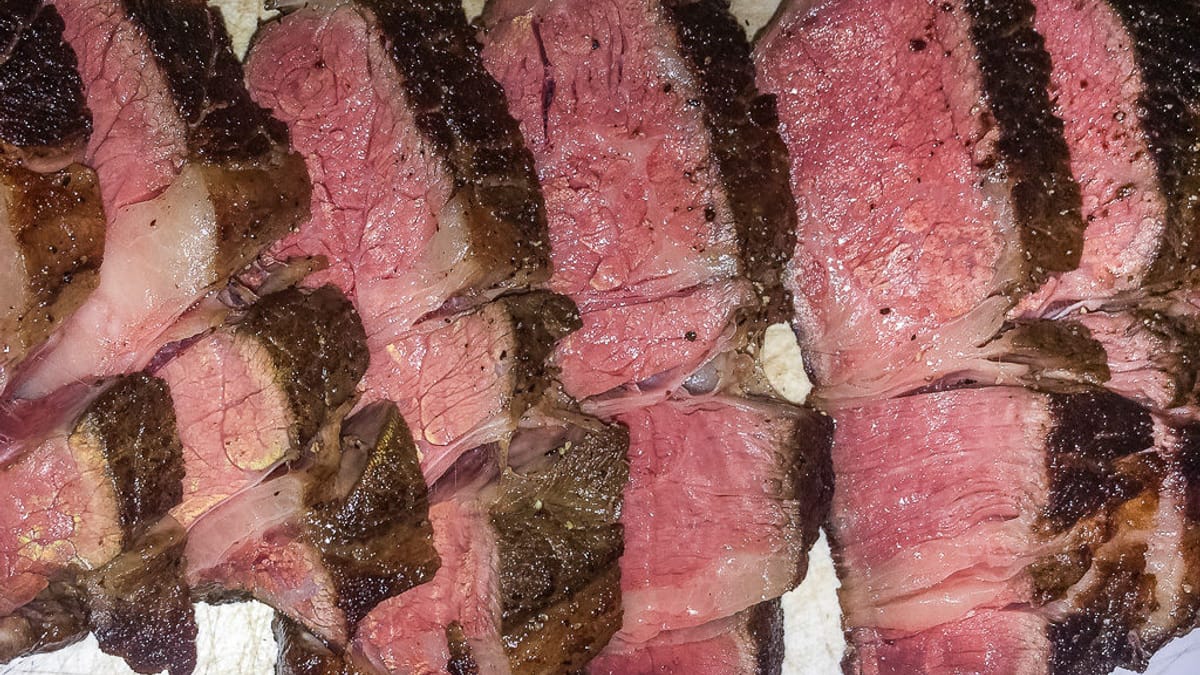
Once our meat has reached the desired time in the water bath, it’s important not to skip the finishing step. After removing the meat from the bag, we’ll want to sear it for a delightful crust and additional flavor.
To do this, we can preheat a skillet or grill over high heat. We’ll pat the meat dry with paper towels to ensure a good sear and then add a bit of oil to the pan. Searing only takes a few minutes on each side, just enough to develop a beautiful caramelized crust. This step adds texture and a depth of flavor that contrasts beautifully with the tender interior.
Serving Suggestions
Now that we have our perfectly cooked, tender meat, it’s time to think about how we want to serve it. A classic option is to slice it against the grain and serve it with a rich sauce, like a red wine reduction or a homemade barbecue sauce. Pairing it with sides like creamy mashed potatoes, roasted vegetables, or a fresh salad can elevate the meal even further.
For those looking for a twist, we can use our sous vide meat in tacos, sandwiches, or even stir-fries, giving us the flexibility to create various dishes from one cooking session.
Common Mistakes to Avoid
Even with the sous vide method, there are some pitfalls to be aware of. One common mistake is not seasoning adequately before sealing the bag. The long cooking time will mellow the flavors, so don’t be shy with your seasoning.
Another issue is overcooking. While sous vide is forgiving, cooking for too long can lead to a mushy texture. It’s essential to find the right balance for the cut and desired outcome.
Lastly, we should always remember to finish the meat properly with a sear. Skipping this step can lead to a dish that feels incomplete.
Embracing the Sous Vide Lifestyle
As we become more comfortable with sous vide cooking, we’ll discover its versatility extends beyond meat. It’s also a fantastic way to cook vegetables, eggs, and even desserts with precision and ease. We can experiment with different herbs and spices, learning how flavors develop over long cooking times.
We might find that sous vide cooking becomes a reliable part of our meal prep routine. Preparing meals ahead of time means we can have delicious dinners ready to go with minimal effort during the busy week.
The Bottom Line
In our culinary journey, we’ve learned that cooking tough cuts of meat doesn’t have to be a chore. By embracing the sous vide method, we can break down collagen effortlessly and achieve restaurant-quality tenderness in our own kitchens. This technique opens up a world of possibilities for home cooks looking to elevate their meals without stressing over doneness.
So let’s put down the thermometer, stop worrying about overcooking, and embrace the art of sous vide cooking. With a little patience and practice, we’ll find ourselves enjoying delectable dishes made from the most unassuming cuts of meat—proof that with a little ingenuity, we can transform any ingredient into something extraordinary. Happy cooking!