Spice Rack Essentials: The 15 Spices Every Home Cook Should Own
Introduction
Cooking is an art form that brings together creativity, passion, and a dash of science. At the heart of this culinary craft lies an essential ingredient: spices. They have the power to transform a dish from mundane to magnificent, adding depth, flavor, and aroma. Whether you’re a novice home cook or a seasoned chef, having a well-stocked spice rack can elevate your cooking game. In this post, we'll explore the 15 spices every home cook should own, offering tips and insights on how to use them effectively.
Let’s dive into the world of spices and discover how to enhance your culinary creations!
1. Salt
The Foundation of Flavor
Key Uses: Seasoning, enhancing flavors, brining, curing.
Salt is the most fundamental spice in any kitchen. It enhances the natural flavors of ingredients, making it a crucial component in nearly every dish.
Tip: Use different types of salt in your cooking. For example, kosher salt is great for seasoning meats, while flaky sea salt is perfect for finishing dishes.
Types of Salt:
| Type | Flavor Profile | Best Uses |
|---|---|---|
| Kosher Salt | Mild | General seasoning |
| Sea Salt | Briny | Finishing dishes |
| Table Salt | Salty | Baking, cooking |
| Himalayan Pink Salt | Earthy | Flavoring and presentation |
2. Black Pepper
The Universal Spice
Key Uses: Seasoning, marinades, flavoring.
Black pepper is often referred to as the "king of spices." Its sharp, pungent flavor enhances virtually any dish, making it indispensable.
Tip: Invest in a pepper mill for freshly ground pepper, as it offers a more robust flavor compared to pre-ground.
3. Paprika
The Colorful Spice
Key Uses: Seasoning, color, garnish.
Paprika is made from dried and ground red peppers, bringing not only a mild flavor but also vibrant color to your dishes.
Types of Paprika:
- • Sweet Paprika: Mild and sweet flavor, perfect for stews and soups.
- • Smoked Paprika: Adds a rich, smoky flavor, ideal for meats and sauces.
- • Hot Paprika: Provides heat and spice, great for kicking up the flavor.
Tip:
Use paprika to sprinkle on deviled eggs or potato salads for a pop of color and flavor!
4. Cumin
The Earthy Flavor
Key Uses: Curries, chili, soups.
Cumin has a warm, earthy flavor that complements a variety of cuisines, particularly Mexican, Indian, and Middle Eastern dishes.
Tip: Toast cumin seeds in a dry skillet to enhance their flavor before grinding or adding to your dish.
5. Oregano
The Herb of Mediterranean Cuisine
Key Uses: Pasta sauces, marinades, dressings.
Oregano is a staple in Italian and Greek cooking, providing a robust, slightly peppery flavor that pairs well with tomatoes and meats.
Tip: When using dried oregano, crush the leaves between your fingers before adding them to your dish to release their essential oils.
6. Basil
The Sweet Aroma
Key Uses: Pesto, salads, sauces.
Basil is a fragrant herb that adds a fresh, sweet flavor to dishes. It is especially popular in Italian cuisine.
Tip: Fresh basil should be added at the end of cooking to preserve its flavor, while dried basil can be used earlier in the cooking process.
7. Thyme
The Versatile Herb
Key Uses: Meats, vegetables, stews.
Thyme has a subtle, earthy flavor that enhances both savory and sweet dishes, making it one of the most versatile herbs.
Tip: Use thyme in marinades for meats or add it to roasted vegetables for a flavor boost.
8. Cinnamon
The Sweet Spice
Key Uses: Baking, savory dishes, beverages.
Cinnamon is not just for desserts; its warm flavor can also enhance savory dishes like Moroccan tagines.
Tip: Use a cinnamon stick to infuse your tea or coffee for a cozy, aromatic drink.
9. Garlic Powder
The Convenient Flavor
Key Uses: Seasoning, marinades, dry rubs.
Garlic powder provides an easy way to add garlic flavor without the hassle of peeling and chopping fresh garlic.
Tip: Use garlic powder in spice blends for rubs or marinades, and consider using it in dishes where fresh garlic may burn.
10. Ginger
The Zesty Spice
Key Uses: Asian cuisine, baking, marinades.
Ground ginger adds warmth and a slight spiciness to both sweet and savory dishes, particularly in Asian cooking.
Tip: Use fresh ginger for a more vibrant flavor, but keep ground ginger on hand for convenience.
11. Turmeric
The Golden Spice
Key Uses: Curries, rice, soups.
Turmeric is known for its vibrant yellow color and earthy flavor. It's also celebrated for its potential health benefits.
Tip: Pair turmeric with black pepper to enhance its absorption and health benefits.
12. Chili Powder
The Spicy Kick
Key Uses: Chili, tacos, spice blends.
Chili powder is a blend of various spices, typically including dried chili peppers, cumin, garlic powder, and oregano. It adds heat and complexity to dishes.
Tip: Adjust the amount based on your spice tolerance, and consider making your own blend for a personalized touch.
13. Coriander
The Citrusy Spice
Key Uses: Curries, salsas, baking.
Coriander has a bright, citrusy flavor that complements both sweet and savory dishes. It is commonly used in Indian and Middle Eastern cuisines.
Tip: Use whole seeds for a more intense flavor and toast them before grinding for an aromatic boost.
14. Nutmeg
The Warm Spice
Key Uses: Baking, desserts, savory dishes.
Nutmeg adds warmth and sweetness to both sweet and savory dishes, from pies to creamy pasta sauces.
Tip: Freshly grated nutmeg is more flavorful, so consider investing in a microplane for grating.
15. Bay Leaves
The Aromatic Leaf
Key Uses: Soups, stews, braises.
Bay leaves add a subtle, herbal aroma to long-cooked dishes like soups and stews. They should be removed before serving, as they are tough and inedible.
Tip: Use dried bay leaves for convenience, and store them in an airtight container to preserve their flavor.
How to Organize Your Spice Rack
Having the right spices is only part of the equation; organization is key! Here are some tips for keeping your spice rack tidy and accessible:
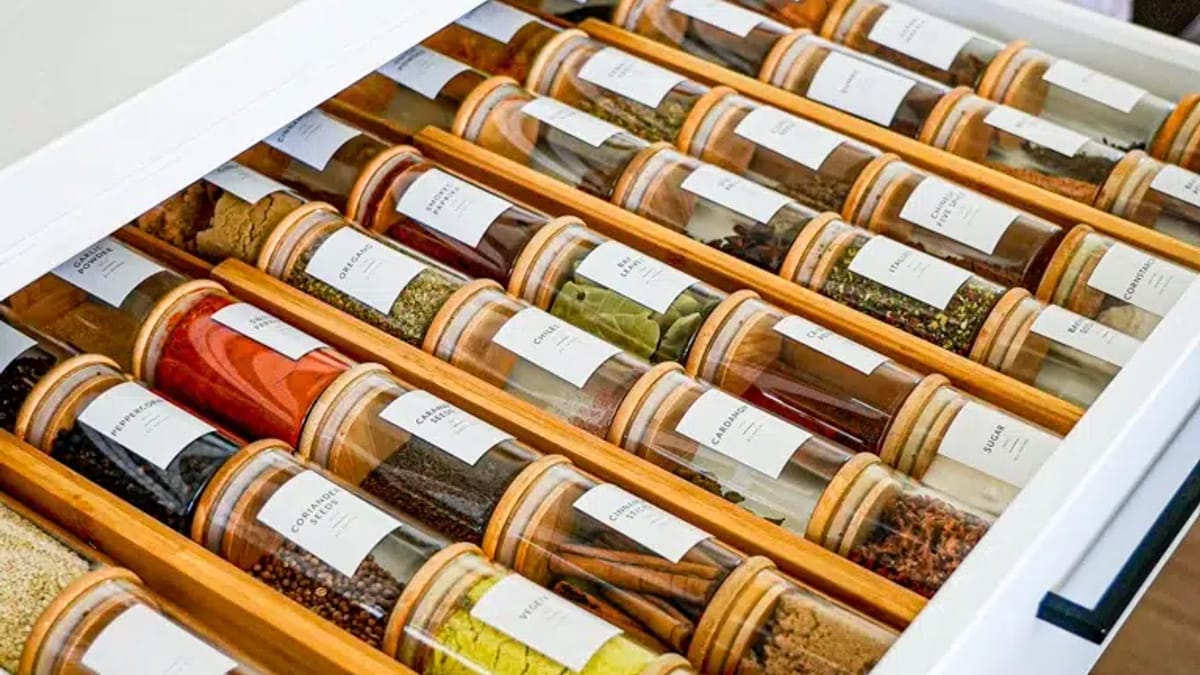
- • Use Clear Containers: Clear jars allow you to see what you have at a glance. Consider labeling them for easy identification.
- • Alphabetize or Categorize: Organize your spices alphabetically or by type (e.g., herbs, spices, blends) for quick access.
- • Store in a Cool, Dark Place: Heat and light can degrade spices over time, so keep them in a pantry or cupboard away from the stove.
Conclusion
A well-stocked spice rack is an essential tool for every home cook. The 15 spices listed above will not only enhance the flavors of your dishes but also inspire creativity in your cooking. By understanding how to use these spices effectively, you can elevate your meals from ordinary to extraordinary.
As you start to explore these spices, remember to experiment and find what works best for your palate. Happy cooking, and may your spice rack always be full of flavor!