Secrets to Perfect Poached Eggs Every Time
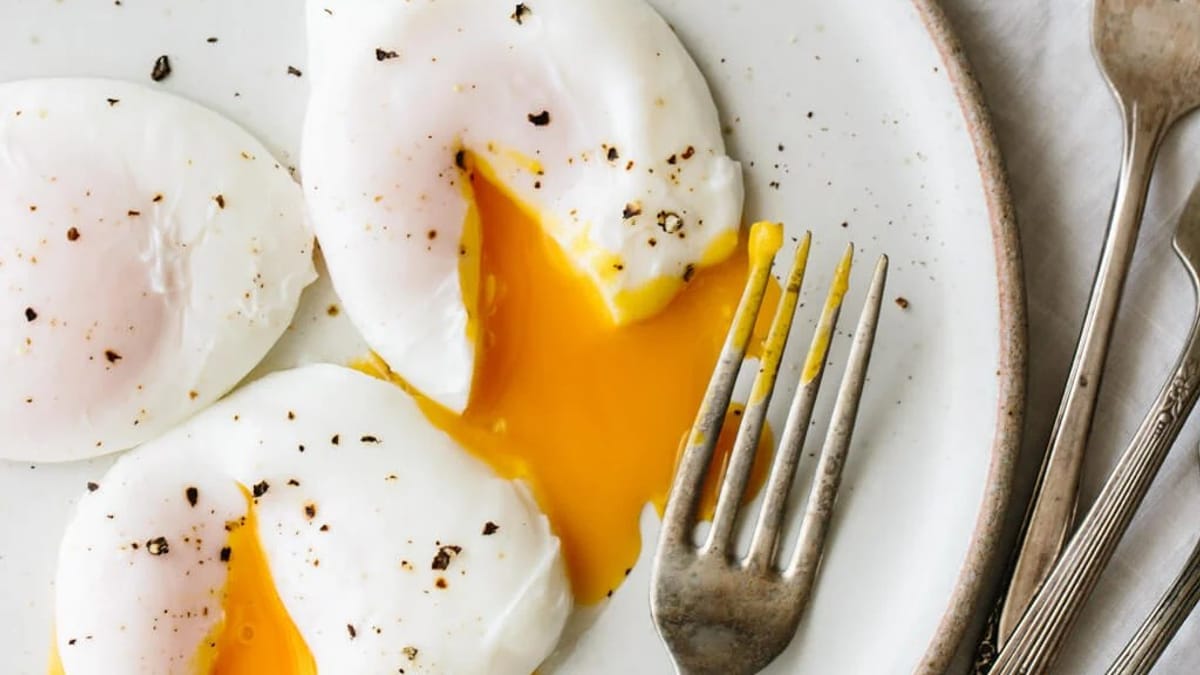
Poached eggs are one of those culinary delights that manage to be both simple and sophisticated. When done right, they can elevate a breakfast plate to new heights, making it feel indulgent and special. Imagine cutting into that perfectly poached egg, and watching the golden yolk ooze out, creating a luscious sauce for toast, salads, or even grain bowls. Yet, many of us shy away from making poached eggs at home, thinking it’s a skill reserved for brunch restaurants or a chef's kitchen. But fear not! We’re here to guide you through the secrets of achieving perfect poached eggs every time.
Understanding Poached Eggs
Before we get into the nitty-gritty of techniques and tips, let’s take a moment to understand what a poached egg actually is. Poaching is a cooking method that involves gently cooking an egg in water, which results in a tender white and a runny yolk. Unlike boiled eggs, poached eggs are cooked without the shell, allowing for a more delicate texture. The key to a successful poached egg lies in the water temperature, the egg’s freshness, and a few clever tricks we’re about to explore.
Why Fresh Eggs Matter
First and foremost, the freshness of your eggs plays a significant role in how well they poach. Fresh eggs have firmer whites that hold together better during cooking. If an egg is a bit older, the whites tend to spread out more in the water, leading to a less desirable, ragged appearance. So, if you want to achieve that perfect poached egg, source the freshest eggs you can find. Local farm stands or reputable grocery stores often carry eggs that are fresher than the ones sitting on supermarket shelves.
Preparing Your Workspace
Before we dive into cooking, let’s set the stage. A clean, organized workspace makes cooking much more enjoyable. Gather your supplies: fresh eggs, a pot or deep skillet, a slotted spoon, a timer, and a small bowl for cracking the eggs. If you’d like, you can also have a bit of vinegar on hand. While it’s not mandatory, vinegar can help stabilize the egg whites and keep them together during cooking.
The Water Temperature
The temperature of the water is crucial for poaching eggs. We want the water to be at a gentle simmer, around 180 to 190 degrees Fahrenheit. If the water is boiling too vigorously, it can break apart the delicate egg whites. You can check the temperature using a kitchen thermometer, but if you don’t have one, simply watch for small bubbles forming on the bottom of the pot. If the water is bubbling too much, reduce the heat until you reach that gentle simmer.
The Right Technique for Poaching
Now that we have everything ready, let’s talk about the technique. Start by bringing your water to a simmer, and if using vinegar, add a teaspoon to the water. This step is optional but can enhance the egg's structure. Next, crack your egg into a small bowl. This will help you gently slide the egg into the water without breaking the yolk.
With one hand, create a gentle whirlpool in the water using a spoon. This motion helps the egg white wrap around the yolk, creating a more uniform shape. Slowly lower the bowl with the egg into the center of the whirlpool and gently release the egg into the water. The swirling motion will encourage the egg to hold its shape.
Timing Is Everything
Timing is key to achieving that perfect runny yolk. Generally, eggs take about three to four minutes to poach, depending on how runny you like your yolks. If you prefer a slightly firmer yolk, you may want to extend the cooking time by a minute or so. We recommend using a timer to keep track, so you can focus on other tasks in the kitchen without worrying about overcooking.
As the egg cooks, it’s a good idea to keep an eye on it. You can gently nudge the egg with a slotted spoon to make sure it’s not sticking to the bottom of the pot.
Testing for Doneness
Once the timer goes off, it’s time to check on our egg. Using a slotted spoon, carefully lift the egg out of the water and give it a gentle poke. The white should be set, while the yolk should feel soft and slightly springy. If you’re unsure, you can always cut into the egg to check the yolk; it should be beautifully runny.
Serving Your Poached Eggs
Now that we’ve mastered the art of poaching, it’s time to serve them up. Poached eggs are incredibly versatile and can be enjoyed in numerous ways. They shine when served on top of avocado toast, nestled in a bed of sautéed greens, or even as a key component of a classic Eggs Benedict. Simply place your poached egg on your desired dish and season with salt and freshly cracked pepper. A sprinkle of fresh herbs, like chives or parsley, can add a burst of flavor and color.
Troubleshooting Common Issues
Even with the best techniques, poaching eggs can sometimes lead to unexpected results. If your eggs are coming out with ragged edges or the whites are too wispy, don’t lose hope. Remember, practice makes perfect! Here are a few common issues and how to resolve them:
If the whites are spreading too much, ensure your eggs are fresh. Additionally, swirling the water before adding the egg can help contain the whites. If you find that your eggs are sticking to the bottom of the pot, try using a non-stick pan or adding a bit more vinegar to the water.
Should you accidentally overcook your eggs, you can still salvage the situation. A little drizzle of olive oil or a sprinkle of cheese can mask the overcooked yolk and create a delicious dish.
Experimenting with Flavors
Poached eggs lend themselves beautifully to a variety of flavors. Why not experiment with different spices or toppings? A dash of smoked paprika or a drizzle of sriracha can add a lovely kick. For a Mediterranean twist, try topping your poached eggs with feta cheese, olives, and a drizzle of olive oil.
Similarly, if you’re feeling adventurous, you can create a poached egg salad by mixing chopped eggs with avocado, herbs, and a squeeze of lemon juice. The possibilities are endless, and each variation offers a new experience.
The Joy of Poached Eggs
As we wrap up our journey into the world of poached eggs, we hope you feel empowered to try this delightful cooking method at home. The beauty of poached eggs lies not only in their deliciousness but also in their simplicity and versatility. With a little practice, we can all master the art of poaching.
So next time you’re craving a brunch classic or just want to elevate a simple meal, remember these tips and techniques. With fresh eggs, the right water temperature, and a gentle hand, you’ll be serving up perfect poached eggs that impress. Let’s get cooking and enjoy the joyful satisfaction of a perfectly poached egg!