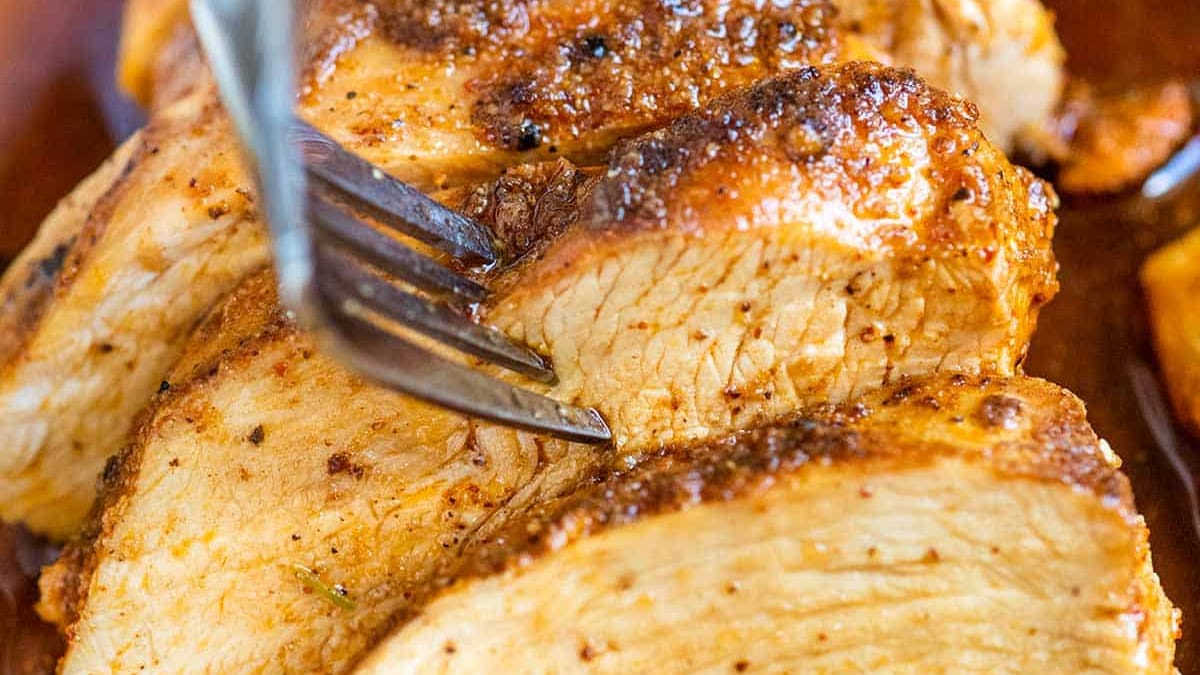
Secrets to Moist and Flavorful Chicken
There's something truly comforting about a perfectly cooked piece of chicken. It’s versatile, easy to work with, and can be the star of countless meals. However, many home cooks find themselves struggling with dry, flavorless chicken, which can be disheartening. We’ve all been there—cooking chicken only to have it turn out bland and rubbery. But fear not! Today, we’re diving into the secrets to achieving moist and flavorful chicken, transforming your dishes from mediocre to magnificent.
Understanding the Basics of Chicken
Before we jump into the tips and techniques, let’s take a moment to understand what makes chicken juicy and flavorful. The secret lies in its composition. Chicken is primarily made up of protein and water. When we cook it, we want to preserve as much moisture as possible while enhancing its natural flavors. Factors like cooking temperature, method, seasoning, and even the type of chicken we choose can significantly impact the final result.
Selecting the Right Chicken
The journey to juicy chicken starts at the grocery store. Choosing the right chicken can make a world of difference. We often see various options, from organic and free-range to conventional. Organic chicken typically has a richer flavor because of its diet and lifestyle. If possible, opt for a whole chicken or bone-in cuts, as they tend to be juicier compared to skinless, boneless pieces. The bones and skin help retain moisture during cooking, which is essential for flavor.
Brining for Brilliance
One of the most effective techniques to ensure our chicken remains moist is brining. Brining involves soaking chicken in a saltwater solution, which helps it absorb moisture and flavor. It works by breaking down some of the protein structures in the meat, making it tender and juicy.
To create a simple brine, we can dissolve salt in water—typically a quarter cup of salt per quart of water is a good starting ratio. We can also add sugar, herbs, garlic, or spices for an extra flavor boost. Let the chicken soak in this solution for a few hours or even overnight in the refrigerator. Just remember that if we’re using a particularly large piece of chicken, we might want to extend the brining time.
Marinating for Flavor
If brining isn’t our thing, marinating is another excellent option that enhances flavor while also tenderizing the meat. A good marinade typically contains an acid (like lemon juice or vinegar), oil, and various herbs and spices. The acid helps break down the meat fibers, while the oil aids in moisture retention.
We can experiment with different flavor profiles based on our preference. For a Mediterranean twist, we might use olive oil, lemon juice, garlic, and oregano. For something more Asian-inspired, soy sauce, sesame oil, ginger, and garlic could work beautifully. Let the chicken marinate in the refrigerator for at least 30 minutes, but ideally, we want to let it sit for a few hours or overnight for maximum flavor infusion.
The Perfect Cooking Method
Now that we’ve prepped our chicken, let’s talk about cooking methods. There are several ways to cook chicken, each yielding different results. Some methods are better suited for retaining moisture than others.
Grilling is a popular choice, but it can be tricky. The key is to keep the heat medium to medium-high and avoid overcooking. We should also consider indirect grilling, where we place the chicken away from direct flames, cooking it more gently and evenly.
Baking or roasting is another fantastic method, especially for whole chickens. By starting in a hot oven and then reducing the temperature, we can create a beautifully crisp skin while keeping the meat juicy. To enhance the flavor even further, we might choose to stuff the cavity with herbs, citrus, or garlic.
Searing chicken on the stovetop is another great option. This method allows us to develop a beautiful golden crust while ensuring the inside remains tender. After searing, we can finish the chicken in the oven, allowing for a perfectly cooked piece.
Temperature Matters
When it comes to cooking chicken, temperature is crucial. Using a meat thermometer is the best way to ensure our chicken is cooked perfectly. We want to aim for an internal temperature of 165°F (74°C) for poultry. This ensures that the chicken is safe to eat while still retaining moisture. If we accidentally overcook it, we risk drying it out, so checking the temperature is key.
Let It Rest
Once our chicken is cooked to perfection, we often want to dig right in. However, letting it rest for a few minutes is vital. Resting allows the juices to redistribute throughout the meat, resulting in a more succulent bite. Covering the chicken loosely with foil while it rests can help retain warmth without cooking it further.
Enhancing with Sauces and Glazes
To elevate our chicken dishes, we can consider adding sauces or glazes. A flavorful sauce can take a simple chicken dish to extraordinary heights. Pan sauces made from the drippings left in the pan after cooking are a fantastic way to enhance flavor. We can deglaze the pan with wine or broth, scraping up the flavorful bits, and then finish with a pat of butter for richness.
If we’re in the mood for something sticky and sweet, a glaze made from honey, soy sauce, and garlic can add an incredible depth of flavor. Brush this over the chicken during the last few minutes of cooking for a delicious caramelized finish.
Don't Forget the Seasoning
While we’ve covered techniques to keep chicken moist, we can’t overlook the importance of seasoning. A well-seasoned piece of chicken can make all the difference. We should aim to season our chicken generously with salt and pepper before cooking. For an even bigger flavor impact, we can create a spice rub or use fresh herbs. The key is to not be shy with our seasoning; chicken can handle it!
The Power of Resting and Slicing
After all that hard work, it’s tempting to cut right into our chicken, but patience pays off. Once our chicken has rested, it’s time to slice it properly. Instead of cutting against the grain, we should slice with the grain for a more tender bite. This keeps the fibers intact, resulting in a juicier experience.
Experimenting with Various Cuts
Chicken comes in many forms, and each cut has its unique characteristics. While chicken breasts are popular for their lean quality, they can easily dry out if overcooked. Consider using thighs or drumsticks for a more forgiving option. These cuts are higher in fat content, making them more flavorful and less prone to drying out.
A Final Word on Pairing
To round off our chicken dishes, let’s consider the sides and sauces we pair with them. Fresh salads, roasted vegetables, or creamy mashed potatoes can complement the flavors beautifully. We can also experiment with grains like quinoa or couscous for a delightful balance.
The beauty of cooking chicken lies in its flexibility. We can play with flavors, techniques, and ingredients to create our unique dishes. With a little practice and the secrets we've shared, we’re well on our way to creating moist and flavorful chicken every time we step into the kitchen.
So, let’s roll up our sleeves and start cooking! Whether we’re preparing a weeknight dinner or hosting a weekend gathering, we can confidently bring the secrets of juicy chicken to our table. Happy cooking!