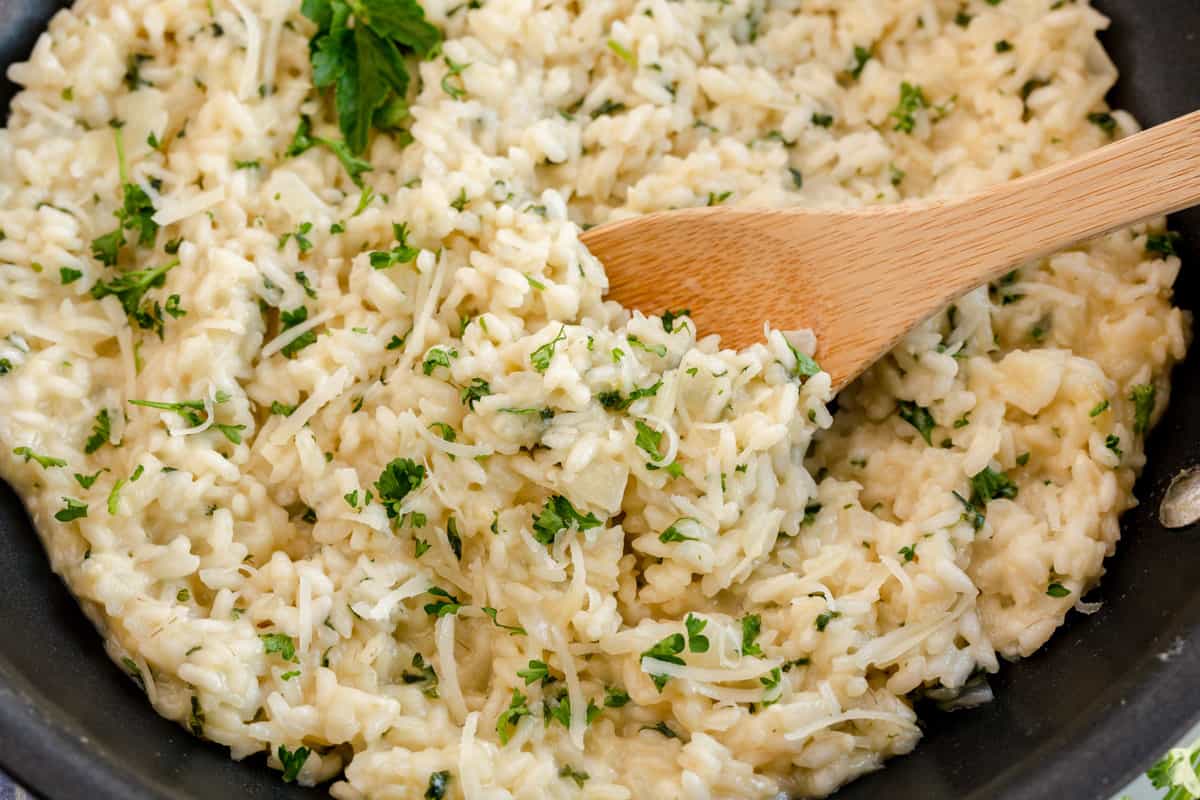
Secrets to Making Creamy Risotto
When it comes to comfort food, few dishes can rival the creamy, lusciousness of a well-made risotto. This Italian classic is often thought to be a dish reserved for special occasions or fine dining, but we’re here to show you that with a bit of practice and some insider knowledge, making risotto at home can be both achievable and incredibly rewarding. Let’s delve into the secrets of creating a rich, creamy risotto that will impress your family and friends.
Understanding Risotto
Before we dive into the cooking techniques, let’s take a moment to understand what risotto is. At its core, risotto is a creamy rice dish made primarily with Arborio rice, which is known for its high starch content. This starch is what gives risotto its characteristic creaminess. The process of making risotto is unique because it involves slowly adding liquid to the rice while stirring, allowing the grains to release their starches gradually. This technique is what sets risotto apart from other rice dishes.
Choosing the Right Rice
The first step in our risotto journey is selecting the right type of rice. Arborio is the most commonly used variety for risotto, but you can also consider Carnaroli or Vialone Nano. Each of these varieties has different starch compositions, but they all produce that creamy texture we love. When shopping, look for rice labeled specifically for risotto to ensure you’re getting the right kind.
The Importance of Broth
A flavorful broth is the backbone of any good risotto. While you can certainly use store-bought broth in a pinch, taking the time to make your own can elevate your dish to new heights. Homemade broth allows you to control the seasoning and ingredients. Whether you choose a rich chicken broth, a light vegetable broth, or even a seafood broth, the quality of your liquid will significantly impact the final flavor of your risotto.
If you’re short on time, consider making a big batch of broth on the weekend and freezing it in portions. This way, you’ll always have a flavorful base ready for risotto and other dishes.
The Aromatics: Building Layers of Flavor
One of the secrets to a delicious risotto lies in the aromatics. Start by sautéing onions or shallots in olive oil or butter until they are translucent. This step adds a depth of flavor that will shine through in your final dish. We often like to add garlic for an extra layer of flavor, but be careful not to burn it; burnt garlic can turn bitter.
For an herbaceous touch, consider adding fresh thyme or parsley early on. You can also experiment with different herbs depending on the season or the main ingredients in your risotto.
Toasting the Rice
Once your aromatics are beautifully fragrant, it’s time to add the rice. But before we start adding broth, we recommend toasting the rice. This step helps to seal the grains and enhances the nutty flavor of the rice. Simply add the Arborio rice to the pan and stir it around for a couple of minutes until the grains become slightly translucent. You’ll notice a lovely aroma wafting from the pan, which is a sign that you’re on the right track.
The Slow and Steady Approach
Here comes the fun part: adding the broth. It’s crucial to add the broth gradually, about a ladleful at a time. This method allows the rice to absorb the liquid slowly while stirring continuously. As we stir, we encourage the rice to release its starches, which will create that coveted creamy texture.
Patience is key here. Don’t rush the process by adding too much broth at once. Allow the rice to absorb the liquid almost completely before adding more. This is a labor of love, but the result is well worth the effort. We often find this part of the process meditative, allowing us to focus on the rhythm of cooking.
Knowing When It’s Done
As we near the end of our cooking process, we’ll want to taste the rice to check for doneness. The perfect risotto should be al dente—cooked through but still firm to the bite. Once we achieve that ideal texture, it’s time to remove the risotto from the heat.
But don’t forget one crucial step: the finishing touches. This is where the magic truly happens. Stir in a generous knob of butter and a handful of freshly grated Parmesan cheese. This will not only add richness but also enhance the overall flavor. For a touch of brightness, consider squeezing in a bit of lemon juice or adding fresh herbs just before serving.
Customizing Your Risotto
One of the joys of risotto is its versatility. Once you have mastered the basic technique, you can easily customize it to suit your taste or the season. For a classic mushroom risotto, sauté some wild mushrooms alongside your onions. For a seafood twist, try incorporating shrimp or scallops in the final stages of cooking.
You can also use seasonal vegetables, such as asparagus in the spring or butternut squash in the fall. The possibilities are endless. We love to experiment with different flavor combinations, and each version brings a new delight to the table.
Pairing Your Risotto
Once our creamy risotto is ready, the next question is: what to serve it with? Risotto can be a fantastic stand-alone dish, but it also pairs beautifully with proteins and salads. A simple green salad drizzled with a light vinaigrette can provide a refreshing contrast to the rich risotto. Alternatively, consider serving it alongside grilled chicken or a piece of seared fish for a well-rounded meal.
If you’re hosting a dinner party, risotto can also serve as a lovely base for a variety of toppings. Set up a risotto bar with different toppings like caramelized onions, sautéed greens, or roasted vegetables, allowing guests to customize their bowls.
Tips for Success
As we wrap up our risotto adventure, let’s share a few final tips that will help ensure your success every time:
- • Quality Ingredients Matter: Always opt for high-quality rice, fresh broth, and good cheese. These components make a significant difference in flavor.
- • Practice Makes Perfect: Don’t be discouraged if your first attempt isn’t perfect. Risotto requires practice, and each time you make it, you’ll get a little better.
- • Have Fun: Cooking is about enjoyment. Experiment with flavors that excite you, and don’t be afraid to make the dish your own.