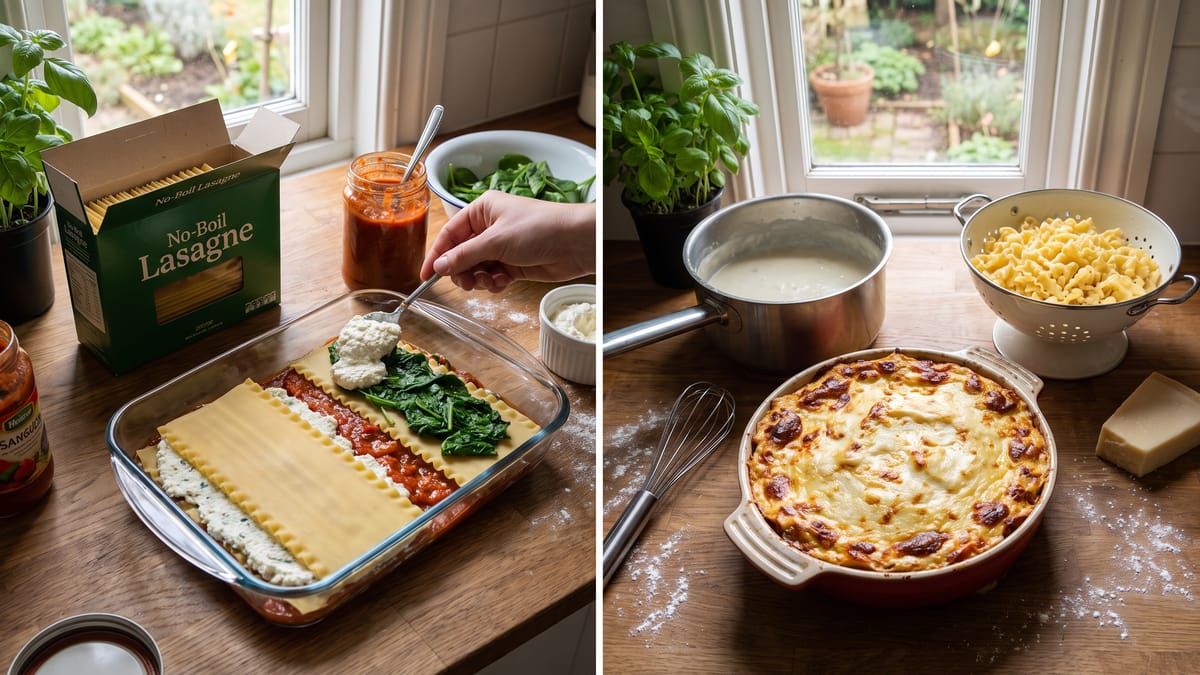
Ricotta or Béchamel? No-Boil or Boiled? The Lasagna Debates That Matter Most
Ah, lasagna. Just uttering the word conjures images of bubbling cheese, rich tomato sauce, and perfectly tender pasta layers. It's a dish that transcends mere sustenance, a culinary embrace that warms the soul and gathers loved ones around the table. Yet, beneath its comforting exterior lies a battleground of passionate opinions and deeply held convictions. We're not talking about minor squabbles here; these are the grand debates that define a lasagna, shaping its texture, flavor, and very soul. Today, we're diving headfirst into the most contentious of these culinary controversies: Ricotta or Béchamel? No-Boil or Boiled? And how does the sauce fit into this delicious drama?
For home cooks and seasoned chefs alike, navigating these choices can feel like a high-stakes culinary chess match. Each decision has profound implications for the final outcome, dictating whether your lasagna is a light, airy marvel or a dense, deeply satisfying masterpiece. We'll explore the historical roots, the culinary science, and the sheer deliciousness behind each argument, offering insights that will empower you to craft your ultimate lasagna, whatever your preference. Let's peel back the layers and uncover the truths behind the lasagna debates that truly matter most.
The Great Cheese Divide: Ricotta Versus Béchamel
This is perhaps the most fervent discussion surrounding lasagna. Walk into any Italian-American kitchen, and you'll likely find a tub of creamy ricotta destined for the layers. Journey to Emilia-Romagna, the birthplace of lasagna alla Bolognese, and you'll encounter a silken béchamel. So, which is "right"? And what do these two distinct dairy components bring to the party?
The Case for Béchamel: The Traditionalist's Choice
Let's begin with béchamel, or besciamella as it's known in Italy. This classic white sauce, a cornerstone of French and Italian cuisine, is made from a simple roux of butter and flour, slowly whisked with warm milk until it thickens into a velvety smooth consistency. In traditional lasagna alla Bolognese, béchamel is not merely a filling; it's an essential binder and flavor enhancer.
The primary argument for béchamel lies in its historical authenticity and its unparalleled ability to create a cohesive, luxurious texture. Traditional lasagna alla Bolognese from Emilia-Romagna is unequivocally layered with ragù, béchamel, and Parmesan cheese. This combination yields a lasagna that is rich, creamy, and incredibly elegant. Béchamel sauce adheres lasagna layers together exceptionally well, preventing them from sliding apart and ensuring that each forkful is a harmonious blend of pasta, meat, and sauce. Its subtle, milky flavor provides a beautiful counterpoint to the robust ragù and the salty Parmesan, adding a depth that ricotta simply cannot replicate.
From a food science perspective, béchamel's stable emulsion helps to create a uniform structure throughout the lasagna. It prevents the dish from becoming watery, as ricotta can sometimes do, and contributes to that desirable, melt-in-your-mouth quality. The slow cooking of the béchamel also develops a nuanced flavor that enhances the overall complexity of the dish without overpowering the other ingredients. When we opt for béchamel, we're choosing a legacy of culinary refinement and a texture that speaks of generations of perfected technique.
The Case for Ricotta: A Neapolitan and Italian-American Favorite
Now, let's turn our attention to ricotta. For many, particularly in Italian-American households, a lasagna without a generous layer of seasoned ricotta cheese feels incomplete. This soft, fresh cheese, often mixed with eggs, Parmesan, and herbs, provides a distinct character to the dish.
The use of ricotta in lasagna has strong roots in Neapolitan tradition. Neapolitan lasagna, a festive dish often prepared for holidays, is a grand affair that typically includes ricotta alongside mozzarella, small meatballs, hard-boiled eggs, and a rich Neapolitan ragù. This style of lasagna is a celebration of abundance and diverse textures. When Italian immigrants brought their culinary traditions to America, many adapted their recipes, and ricotta became a staple in what we now recognize as Italian-American lasagna.
Proponents of ricotta argue that it brings a lighter, yet still substantial, element to the lasagna. Its slightly granular texture and mild, milky flavor can offset the richness of a robust meat sauce and the often gooey mozzarella. Ricotta layers can create pockets of creamy goodness, adding a different kind of moisture and a delightful contrast to the denser meat and pasta. Some also prefer the tangy nuance that ricotta can impart, especially when seasoned with fresh parsley and a hint of nutmeg. It's a taste of home for many, a flavor steeped in personal history and family recipes. While béchamel provides a uniform creaminess, ricotta offers a more varied textural experience, often described as more rustic and comforting.
The Verdict on Cheese Layers
When it comes to the great cheese debate, the verdict is clear, especially if we're speaking of authentic Italian tradition. Traditional lasagna alla Bolognese from Emilia-Romagna uses béchamel (besciamella), not ricotta. This is a fundamental characteristic of the dish from its region of origin. Ricotta, while undeniably delicious and beloved by many, is a Neapolitan and Italian-American variation.
This doesn't mean one is "better" than the other in terms of taste, as both yield exceptional results depending on personal preference. However, from a standpoint of culinary authenticity and historical accuracy regarding lasagna alla Bolognese, béchamel is the undisputed choice. Béchamel's ability to bind layers, its creamy texture, and its subtle flavor profile contribute to a more cohesive and elegant dish, which aligns with the sophisticated nature of Emilian cuisine. Ricotta, conversely, creates a different, often more substantial and rustic, experience. Both are valid expressions of lasagna, but they represent different regional and cultural culinary legacies.
The Noodle Nitty-Gritty: No-Boil, Boiled, or Fresh?
Once we've settled the cheese debate, the next major hurdle is the pasta itself. The noodles are the backbone of any lasagna, providing structure and absorbing the glorious sauces. But should they be pre-cooked, or can they go straight into the oven? And what about fresh pasta?
The Case for No-Boil Noodles: Convenience Meets Innovation
No-boil lasagna noodles have become a kitchen staple for many, promising a shortcut that saves time and reduces a messy step. These noodles are specifically designed to cook in the oven, absorbing moisture from the sauce as the lasagna bakes.
The primary appeal of no-boil noodles is, of course, convenience. They eliminate the need for a large pot of boiling water, the risk of tearing delicate cooked noodles, and the extra cleanup. But there's more to their design than just ease. No-boil lasagna noodles are typically preboiled before drying and are thinner than conventional noodles. This thinner profile allows them to absorb enough liquid from the surrounding sauce during the baking process without prior boiling.
For no-boil noodles to work effectively, they require an ample amount of sauce. The sauce must thoroughly coat every inch of the noodle to ensure even cooking and proper hydration. If the noodles are left exposed or in dry spots, they can emerge from the oven hard and undercooked. It's also crucial not to soak no-boil noodles in water before assembling the lasagna. Soaking them can make them soggy, as the gluten needs to cook at a minimum of 275°F (80°C) to coagulate and achieve that desirable al dente texture. When used correctly, with plenty of sauce and proper layering, no-boil noodles can produce a perfectly tender lasagna without the fuss.
The Case for Boiling Regular Noodles: Tried and True
For many traditionalists and those who prioritize maximum control over their pasta's texture, boiling regular lasagna noodles before assembly is the only way to go. This method ensures that the pasta is cooked to a perfect al dente stage before it even enters the oven, allowing it to absorb flavors without becoming mushy or undercooked.
The argument here centers on texture and consistency. When you boil regular lasagna noodles, you have direct control over their doneness. You can pull them out of the water when they are pliable but still have a slight bite, knowing they will soften further in the oven without becoming overcooked. This method is particularly favored by those who use thicker, more robust dried pasta sheets, which might struggle to cook through adequately with just oven moisture.
A well-known culinary magazine, Food & Wine, conducted tests on various noodle methods and strongly favored boiling regular noodles first, citing superior texture and consistency. While it adds an extra step and a bit more cleanup, the proponents of this method believe the superior results are worth the effort. It also allows for more flexibility with sauce consistency; you don't need to be as concerned about having an overly wet sauce to hydrate the noodles.
The Case for Fresh Pasta: The Italian Standard
In Italy, particularly in Emilia-Romagna, fresh pasta sheets are the gold standard for lasagna. These delicate, often homemade, sheets offer an unparalleled texture and flavor that many argue cannot be replicated by dried pasta, whether boiled or no-boil.
Fresh pasta sheets are incredibly thin and absorb the rich ragù and béchamel beautifully. They create a lasagna with a light, almost ethereal quality, where the pasta melts into the other ingredients rather than standing out as a distinct layer. Italian chefs often recommend at least 6–7 layers of these thin pasta sheets for proper texture and to achieve those coveted crisp edges.
When using fresh pasta, it's typically boiled briefly, often for about 2 minutes, then immediately shocked in salted water to stop the cooking process. This brief blanching makes them pliable and ensures they are partially cooked, preventing them from becoming gummy or undercooked in the oven. The result is a lasagna with an incredible depth of flavor and a tender, yielding texture that is the hallmark of truly authentic Italian cooking.
The Verdict on Noodle Preparation
Based on Italian tradition and food science, the verdict on noodles leans towards methods that ensure proper hydration and texture. Italian tradition and food science favor thin fresh pasta or no-boil dried sheets that mimic fresh pasta; both cook in the oven with adequate sauce moisture. This approach ensures that the pasta fully integrates with the sauces, creating a cohesive and flavorful dish. While boiling regular dried noodles first is an acceptable and effective method, it's not strictly required if using the right kind of pasta and sufficient sauce.
The key takeaway is moisture. Whether it's the inherent moisture of fresh pasta, the pre-treated nature of no-boil sheets, or the pre-hydrated state of boiled regular noodles, the pasta needs to be able to absorb the flavors of the sauce and cook to a tender, yet firm, consistency. No-boil noodles are a perfectly viable option when used correctly, with plenty of liquid (sauce) to cook through properly, ensuring the sauce coats every inch of the noodle.
The Sauce Saga: Ragù's Role and the Art of Resting
Beyond the cheese and the noodles, the sauce is the very heart and soul of lasagna. It's not just a filler; it's the flavor foundation, the moistening agent, and a crucial component in the overall structure. And once it's all baked, there's one final, often overlooked, step.
The Importance of Ragù: Time is Flavor
For a truly exceptional lasagna, the ragù is non-negotiable. We're not talking about a quick weeknight marinara here. A proper ragù alla Bolognese, the traditional partner to lasagna, is a labor of love that demands time and patience.
The essential argument for a slow-simmered ragù is flavor development. This rich meat sauce should simmer for hours, allowing the flavors of the meat, tomatoes, aromatics (like soffritto of onion, carrot, and celery), and wine to meld and deepen into a complex, savory symphony. Rushing this process yields inferior results; the sauce will taste thin, lacking the profound umami and richness that defines a true Bolognese. The slow cooking also breaks down the meat, making it incredibly tender and allowing it to integrate seamlessly into the sauce.
Furthermore, the consistency of the ragù is vital for lasagna. It needs to be thick enough to cling to the pasta and provide substance, but moist enough to help cook the noodles (especially if using no-boil or fresh pasta). A well-made ragù contributes not only flavor but also structural integrity to the finished lasagna.
The Unsung Hero: The Post-Bake Rest
Imagine pulling a glorious, bubbling lasagna from the oven, its aroma filling the kitchen. The temptation to slice into it immediately is almost unbearable. But resist! This is where one of the most crucial, yet often skipped, steps comes into play: the rest.
Resting lasagna for 10–20 minutes after baking is absolutely essential for structure and clean slices. During baking, the cheeses melt and become very fluid, and the sauces are hot and thin. If you cut into the lasagna too soon, everything will collapse, and you'll end up with a messy, unappealing pile on your plate.
The resting period allows several vital processes to occur. First, the cheeses begin to firm up and re-solidify slightly, becoming less runny. Second, the sauces thicken as they cool, allowing them to bind more effectively with the pasta. Third, and critically, the layers set. This means the individual components of the lasagna, which were bubbling and shifting in the oven, settle into their positions, creating a stable structure. The result? Beautiful, clean slices that hold their shape, showcasing all those magnificent layers you so painstakingly created. It’s a small investment of time that pays huge dividends in presentation and enjoyment.
Putting It All Together: Crafting Your Ultimate Lasagna
So, after dissecting these passionate debates, what have we learned? The world of lasagna is rich with tradition, innovation, and deeply personal preferences. Yet, certain principles, rooted in both culinary history and food science, guide us toward optimal results.
For an authentic lasagna alla Bolognese experience, our journey leads us to béchamel. Its creamy, binding qualities are central to the dish's identity from Emilia-Romagna. While ricotta offers a delightful, lighter texture, it represents a different, equally valid, Neapolitan or Italian-American expression of lasagna. Neither is inherently "wrong," but their traditional applications differ significantly.
Regarding pasta, Italian tradition and food science favor thin fresh pasta or no-boil dried sheets that mimic fresh pasta, both of which cook beautifully in the oven with sufficient sauce moisture. The key is ensuring the pasta is adequately hydrated and cooked to an al dente texture. If using regular dried noodles, boiling them first is a perfectly acceptable and often preferred method for consistent results. The choice often comes down to convenience versus the pursuit of a specific textural outcome.
And let us not forget the foundational elements: a slow-simmered ragù for unparalleled depth of flavor, and a crucial 10–20 minute rest after baking to allow the cheeses to firm up, the sauces to thicken, and the layers to set for those coveted clean slices. These steps are non-negotiable for a truly magnificent lasagna, regardless of your chosen cheese or noodle method.
Ultimately, the most important "debate" is the one that happens in your own kitchen, guided by your taste buds and the traditions you cherish. Armed with this knowledge, you are now equipped to make informed choices, understanding the impact of each decision on your final, glorious lasagna. Whether you lean towards the creamy elegance of béchamel or the rustic charm of ricotta, the convenience of no-boil or the purity of fresh pasta, may your lasagna always be a masterpiece, a testament to the joy of cooking and sharing. Happy layering!
Sources
- • Lasagna - Wikipedia
- • Should Lasagna Be Made With Ricotta Or Béchamel?
- • Guys, Stop Boiling Your Lasagna Noodles Already - Epicurious
- • Traditional Easy No Boil Lasagna
- • "No Ricotta. Never": I Asked an Italian Chef His Secrets to the Best-Tasting Lasagna
- • The Essential Rules For Making A Truly Perfect Lasagna
- • How to layer lasagna