Planning a Balanced Plate: A Visual Guide to Portioning
Introduction
In our fast-paced world, understanding how to create balanced meals is more important than ever. Not only does a balanced plate contribute to better health, but it also ensures that every meal is satisfying and nourishing. Have you ever wondered how to visually portion your food to achieve that perfect balance? In this guide, we’ll explore practical techniques for portioning your meals, making it easier to enjoy a variety of flavors while maintaining nutritional balance.
Let’s dive into the art of planning a balanced plate!
Understanding the Components of a Balanced Plate
Before we get into the nitty-gritty of portioning, let’s first outline what constitutes a balanced plate. A well-balanced meal typically includes:
- • Protein: Essential for building and repairing tissues, proteins can be found in meat, fish, dairy, beans, and legumes.
- • Carbohydrates: These provide energy and can be found in grains, fruits, and vegetables.
- • Fats: Healthy fats are crucial for brain health and hormone production. Sources include avocados, nuts, seeds, and olive oil.
- • Vegetables: Packed with vitamins, minerals, and fiber, vegetables should be a significant part of your meal.
- • Fruits: A great way to add natural sweetness and nutrients, fruits can be served as a side or dessert.
The Visual Guide to Portioning
1. The Plate Method
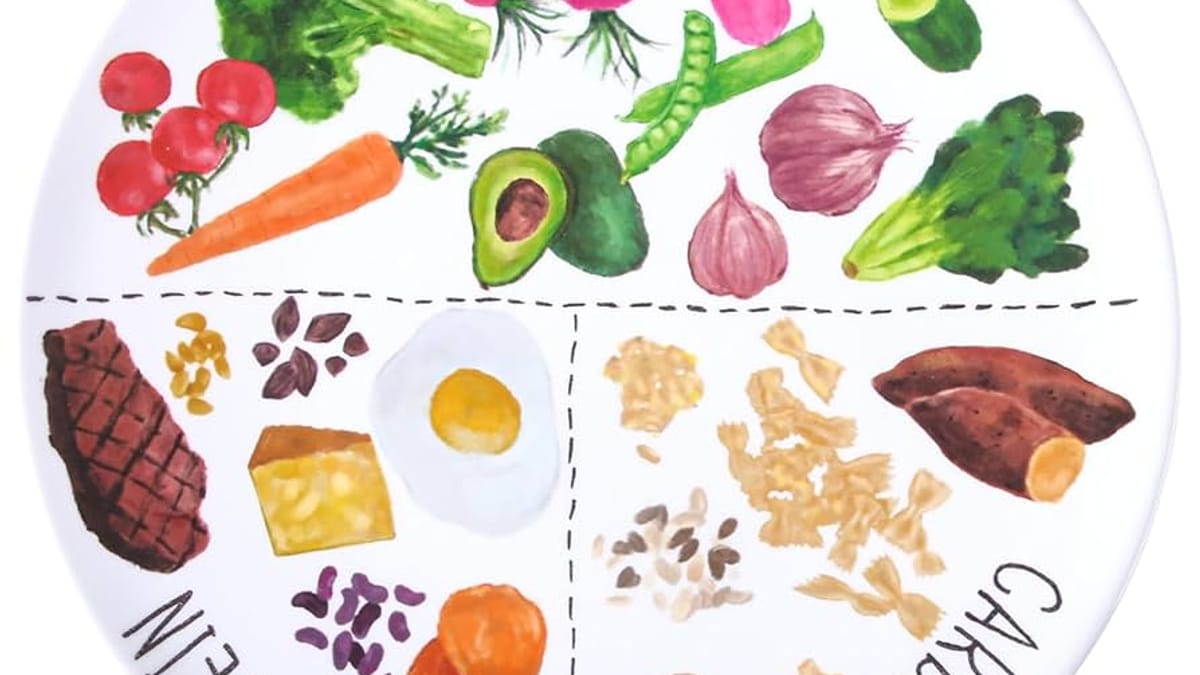
A simple and effective way to visualize portion sizes is through the Plate Method. Here’s how it works:
| Food Group | Portion Size | Plate Division |
|---|---|---|
| Protein | ¼ of the plate | 1/4 |
| Carbohydrates | ¼ of the plate | 1/4 |
| Vegetables | ½ of the plate | 1/2 |
| Healthy Fats | Optional | Small drizzle or handful as needed |
2. The Hand Method
Another practical approach to portioning is the Hand Method, which uses your own hand as a guide:
- • Protein: The size of your palm (excluding fingers) is a good measure for a serving.
- • Carbohydrates: A cupped hand represents the recommended portion for grains or starchy vegetables.
- • Vegetables: Aim for two fist-sized servings of vegetables.
- • Fats: A thumb-sized portion of healthy fats (like nut butter or oils) should suffice.
Practical Tips for Portioning
Now that we have the visual guides down, let’s explore some actionable tips to help you implement these methods in your kitchen.
1. Meal Prepping
Meal prep is a game-changer when it comes to portion control. Here are some steps to effectively meal prep:
- • Choose a Day: Set aside a specific day of the week to prep meals.
- • Cook in Batches: Prepare large portions of grains, proteins, and roasted vegetables.
- • Use Containers: Invest in clear, portion-sized containers to make it easy to grab a balanced meal on the go.
2. Use a Food Scale
For those who prefer precision, a food scale can be incredibly helpful. Weighing your food can help you understand portion sizes better and make adjustments as needed.
3. Read Nutrition Labels
Get into the habit of reading nutrition labels when shopping. Understanding serving sizes will allow you to make informed decisions about how much to include on your plate.
4. Listen to Your Body
It’s essential to pay attention to your hunger cues. Eating mindfully means recognizing when you’re full and stopping before you overeat.
5. Experiment With Colors and Textures
Adding a variety of colors and textures to your plate not only makes meals more visually appealing but also encourages you to include a range of nutrients. A colorful plate can look like this:
- • Red: Tomatoes, bell peppers
- • Green: Spinach, broccoli
- • Yellow/Orange: Carrots, sweet potatoes
- • White/Brown: Quinoa, brown rice
- • Purple: Eggplant, purple cabbage
Example Balanced Meal Ideas
Here are a few simple meal ideas that follow the balanced plate model:
1. Grilled Chicken Bowl
- • Protein: Grilled chicken breast (1 palm-sized portion)
- • Carbohydrates: Quinoa (1 cupped hand)
- • Vegetables: Mixed greens, cherry tomatoes, and bell peppers (2 fist-sized servings)
- • Healthy Fats: A drizzle of olive oil and a sprinkle of nuts
2. Vegetarian Stir-Fry
- • Protein: Tofu or chickpeas (1 palm-sized portion)
- • Carbohydrates: Brown rice (1 cupped hand)
- • Vegetables: Broccoli, snap peas, carrots (2 fist-sized servings)
- • Healthy Fats: Sesame oil (small drizzle)
3. Salmon with Sweet Potato and Spinach
- • Protein: Baked salmon (1 palm-sized portion)
- • Carbohydrates: Roasted sweet potato (1 cupped hand)
- • Vegetables: Sautéed spinach (2 fist-sized servings)
- • Healthy Fats: A sprinkle of walnuts or a dab of butter
Adjusting for Different Diets
Understanding how to portion meals is also important when accommodating different dietary needs. Here are some tips:
- • For Weight Loss: Focus on reducing carbohydrate portions and increasing vegetables. Consider using the Plate Method but adjust the carbohydrate and fat portions.
- • For Muscle Gain: Increase protein portions to support muscle synthesis while maintaining balanced carbohydrate and fat intake.
- • For Vegetarians/Vegans: Ensure that protein is sourced from beans, lentils, legumes, and tofu while balancing carbs and healthy fats.
Common Misconceptions About Portion Sizes
- 1. “Bigger Plates Mean Bigger Portions”: Using smaller plates can help trick your mind into feeling satisfied with smaller portions.
- 2. “All Carbs are Bad”: Carbohydrates are an essential part of a balanced diet; focus on complex carbs like whole grains and legumes.
- 3. “Fat Makes You Fat”: Healthy fats are vital for overall health and can help you feel full, so don’t shy away from incorporating them into your meals.
Conclusion
Planning a balanced plate doesn’t have to be complicated. By utilizing visual guides like the Plate Method and Hand Method, you can easily create nutritious meals that are satisfying and varied. Incorporate meal prepping, mindful eating, and experimenting with textures and colors to enhance your culinary experience.
Remember, the goal is to nourish your body while enjoying the food you love. With the right knowledge and a bit of practice, you’ll become a master at portioning and balancing your meals in no time! Happy cooking!