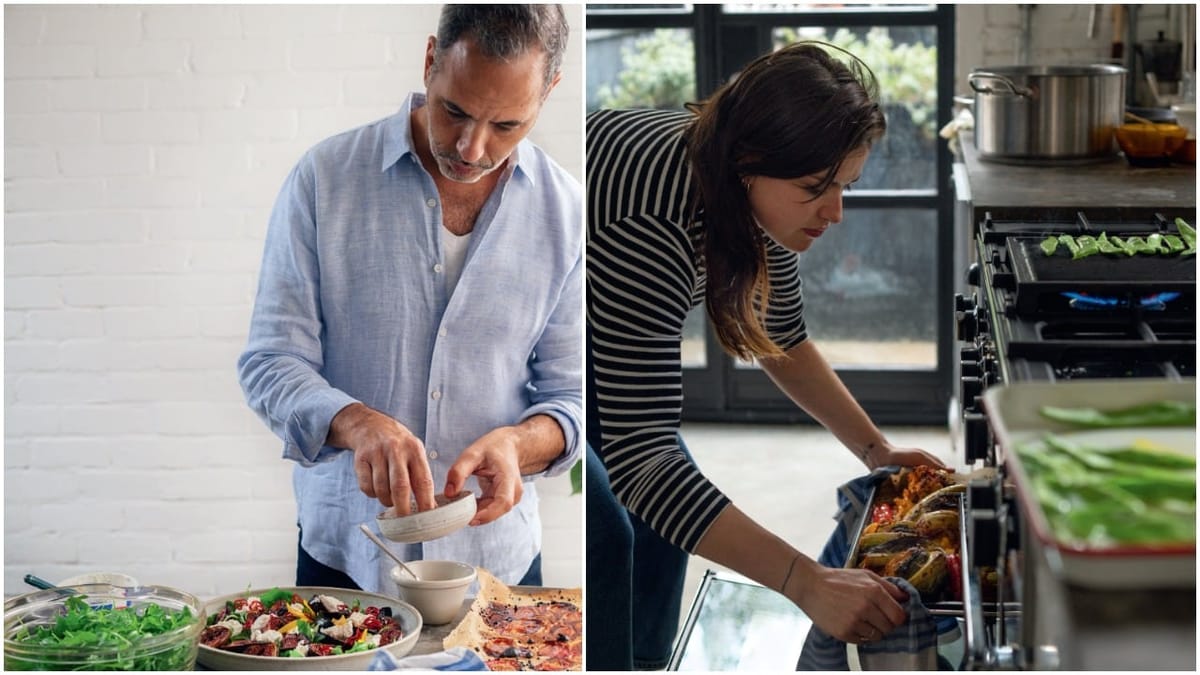
Overcoming Common Barriers to Home Cooking
We all love the idea of home cooking. The aroma of fresh ingredients mingling in the kitchen, the satisfaction of creating a meal from scratch, and the joy of sharing it with family and friends. However, many of us face barriers that keep us from embracing this delightful practice. Whether it's a lack of time, confidence, or knowledge, these challenges can make cooking at home feel daunting. But fear not! Together, we can explore some common barriers to home cooking and discover practical solutions that can transform our kitchens into bustling culinary havens.
The Time Crunch
One of the most significant hurdles we encounter is time. In today's fast-paced world, finding the time to cook can seem impossible. Work, family commitments, and social obligations can leave us feeling like we barely have a moment to breathe, let alone chop vegetables.
To tackle this issue, we can start by embracing meal planning. Taking just a bit of time at the beginning of the week to map out our meals can save us hours in the kitchen. We can choose recipes that share ingredients, reduce waste, and simplify our grocery lists. For example, if we decide to make a stir-fry one night, we can plan to use the leftover veggies in a soup or salad later in the week.
Another time-saving technique is batch cooking. By cooking larger portions of meals and freezing them in individual servings, we create a stockpile of quick, homemade options for busy nights. On those evenings when everything feels overwhelming, we can simply pull a meal out of the freezer and warm it up, enjoying the comforts of home cooking without the fuss.
Kitchen Anxiety
Many of us may feel intimidated when it comes to cooking. The fear of making mistakes or not being able to replicate a recipe can hold us back from stepping into the kitchen with confidence. We might find ourselves wishing we could cook like the chefs we see on television, but the truth is that every expert was once a beginner.
To overcome this kitchen anxiety, we can start by shifting our mindset. Cooking is as much about exploration as it is about following recipes. We can view each cooking session as an opportunity to learn rather than a test of our skills. Trying new recipes doesn’t have to be perfect. If we accidentally burn the garlic or forget the salt, we can chalk it up to experience and move on. Embracing the idea that cooking is a journey helps us to find joy in the process.
It can also be helpful to start with simple recipes that require fewer ingredients and steps. Dishes like vegetable stir-fries, pasta with homemade sauce, or one-pan roasted chicken can be forgiving and rewarding. As we gain confidence, we can gradually challenge ourselves with more complex recipes.
Ingredient Overwhelm
Another common barrier we face is the overwhelming array of ingredients available at the grocery store. With so many choices, it’s easy to feel lost and unsure about what to buy or how to prepare unfamiliar items.
To navigate this ingredient maze, we can focus on building a well-stocked pantry. By keeping a selection of essential items on hand, we can create a foundation for countless meals. Staples like rice, pasta, canned tomatoes, beans, and a variety of spices can make it easier to whip up something delicious without a last-minute trip to the store.
When it comes to fresh ingredients, we can start by choosing a few versatile vegetables and proteins that we enjoy. For instance, carrots, bell peppers, and zucchini can be used in a range of dishes, from stir-fries to soups. Similarly, chicken, tofu, or beans can serve as the base for multiple meals. By familiarizing ourselves with a few key ingredients, we can reduce our anxiety and make cooking feel less daunting.
The Clean-Up Dilemma
Let’s be honest: the thought of cleaning up after cooking can be a real deterrent. After investing time and energy into making a meal, the last thing we want to face is a sink full of dishes.
To make the clean-up process more manageable, we can employ a few simple strategies. First, we can embrace the concept of cleaning as we go. This means washing cutting boards, knives, and mixing bowls while our meal is cooking, rather than letting them pile up. It keeps our workspace tidy and makes the final clean-up less overwhelming.
Another tip is to choose recipes that require fewer pots and pans. One-pot meals, sheet pan dinners, or slow-cooker recipes can significantly minimize our dishwashing duties. Plus, these methods often allow flavors to meld beautifully, resulting in satisfying, easy-to-make meals.
Budget Constraints
Cooking at home can sometimes feel expensive, especially when we’re trying to eat healthily or experiment with new recipes. However, with a bit of planning and creativity, we can stretch our dollars further without sacrificing quality.
To start, we can look for seasonal produce, which is often more affordable and tastes better. Shopping at local farmers' markets or buying in bulk can also yield significant savings. Additionally, we can become savvy shoppers by using store loyalty programs and coupons to reduce our grocery bills.
Another way to stay within budget is by learning to cook with what we already have. Before heading to the store, let’s take a look at our pantry and refrigerator. We may discover ingredients that have been sitting there for a while, waiting for the perfect recipe. By being resourceful and experimenting with what we have on hand, we can create delicious meals while saving money.
Skill Development
Finally, we might feel that we lack the cooking techniques necessary to create the meals we envision. The good news is that cooking is a skill that can be developed over time. Just as we wouldn’t expect to become a master chef overnight, we can approach our culinary journey with patience and curiosity.
To build our skills, we can start by watching cooking tutorials online. Platforms like YouTube or cooking blogs often feature step-by-step guides that demystify various techniques. From chopping onions to mastering the art of sautéing, we can find resources that resonate with us and help us grow.
Additionally, we can practice one technique at a time. If we want to improve our knife skills, we can dedicate a session to just that. By focusing on one area, we can see gradual improvement without feeling overwhelmed. Remember, every time we cook, we’re building our expertise, gaining confidence, and getting closer to becoming the home cook we aspire to be.
Embracing the Joy of Cooking
As we navigate these barriers to home cooking, it’s essential to remember the joy and satisfaction that comes from preparing our meals. It’s not just about the finished dish but the entire experience, from selecting ingredients to savoring the flavors.
Let’s celebrate our small victories in the kitchen and share our successes with others. Cooking can be a wonderful way to connect with family and friends, fostering a sense of community and togetherness. We can invite loved ones to join us in the kitchen, creating memories while chopping, stirring, and tasting together.
In the end, overcoming the common barriers to home cooking is all about taking small, meaningful steps. By embracing meal planning, building confidence, mastering essential techniques, and staying organized, we can transform our kitchens into thriving spaces filled with creativity and flavor.
So, let’s roll up our sleeves, put on our aprons, and dive into the world of home cooking. Together, we can discover that the kitchen is not just a place for food preparation but a sanctuary for creativity, learning, and connection. Happy cooking!