Navigating Nutrition Labels: A Simple Guide for Home Cooks
Navigating the aisles of the grocery store can sometimes feel like wandering through a maze, especially when it comes to deciphering nutrition labels. With a myriad of options and marketing claims vying for your attention, understanding what’s truly in your food is essential for making informed choices. Whether you’re a seasoned home cook or just starting your culinary journey, mastering the art of reading nutrition labels can empower you to craft healthier meals for yourself and your loved ones.
Let’s break down the components of nutrition labels and explore how to use this information to enhance your cooking skills and overall nutritional knowledge.
Understanding the Basics of Nutrition Labels
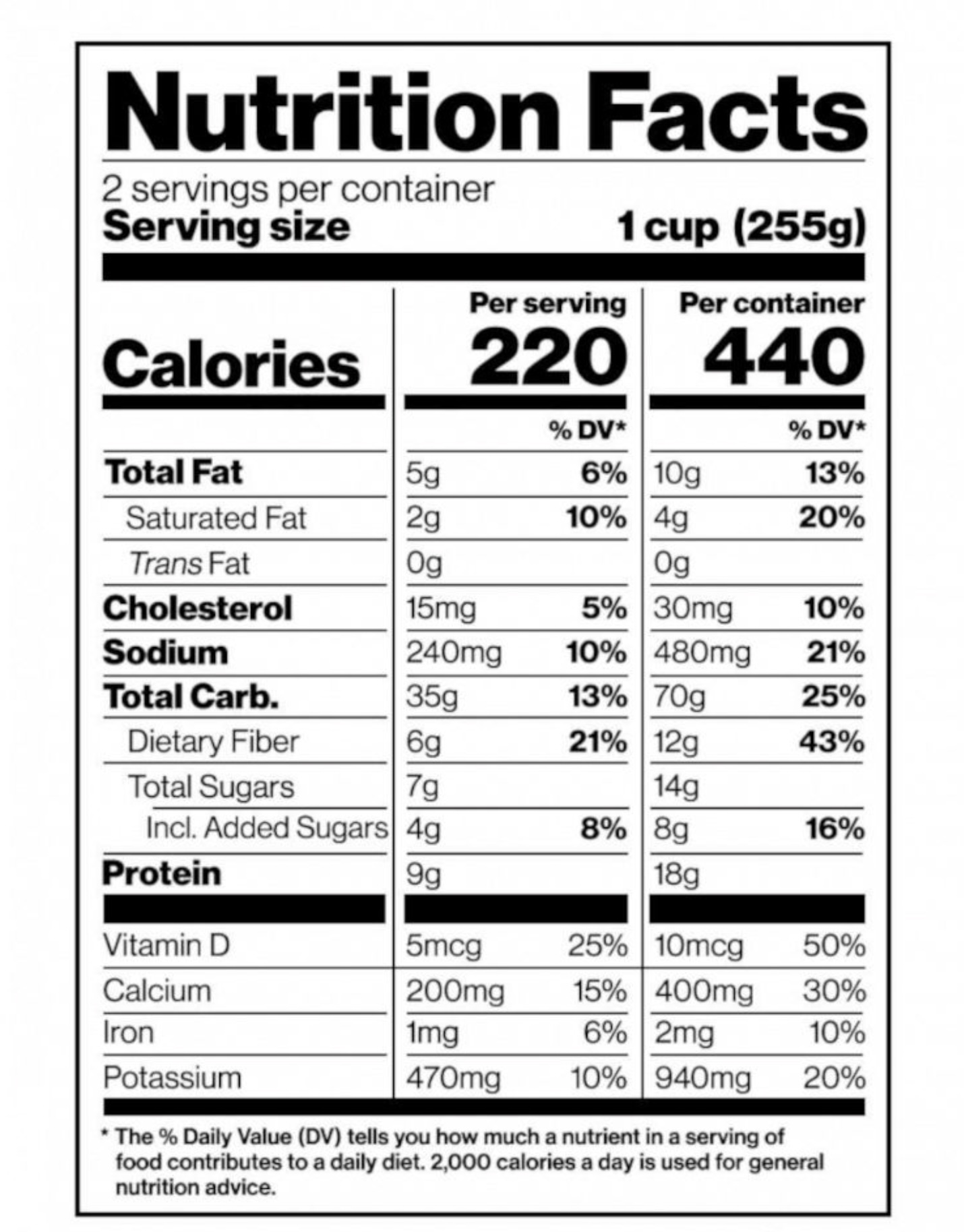
Nutrition labels are designed to provide essential information about the food you consume. They can help you understand the nutritional value of the product and how it fits into your overall diet. Here’s what you need to know:
Serving Size
The first thing you’ll notice on any nutrition label is the serving size. This indicates the amount of food that the nutritional information is based on.
- • Why It Matters: Serving sizes can be misleading; they may be smaller than what you typically eat. Always check the serving size to gauge how the nutritional values apply to your portion.
Calories
Calories tell you how much energy you will get from a serving of the food.
- • Keep in Mind: While counting calories can be helpful for some, focus on the quality of those calories—look for nutrient-dense foods that offer vitamins, minerals, and other health benefits.
Nutrients to Watch
Nutrition labels also list various nutrients, which can help you assess whether a food fits into your dietary needs.
- • Total Fat: Check the type of fats—saturated and trans fats can be harmful in excess, while unsaturated fats are beneficial.
- • Cholesterol and Sodium: High levels can have negative health implications, especially for heart health.
- • Total Carbohydrates: This includes sugars and dietary fiber. Aim for foods high in fiber, which can aid digestion and keep you feeling full longer.
- • Protein: Important for muscle repair and overall health, protein sources can vary widely in quality.
Vitamins and Minerals
Labels often highlight key vitamins and minerals, such as vitamin D, calcium, iron, and potassium.
- • Look for Fortified Foods: Some products are fortified with additional nutrients, which can be beneficial if you're trying to boost your intake of specific vitamins and minerals.
Percent Daily Values (% DV)
The % DV helps you understand how much a serving contributes to your daily diet based on a 2,000-calorie daily intake.
- • Use It as a Guide: If a food item has a % DV of 20% or more for a nutrient, it’s considered high in that nutrient. Conversely, 5% or less is considered low. This can help you balance your meals.
Practical Tips for Reading Nutrition Labels
Now that we’ve covered the basics, let’s dive into some practical tips for reading nutrition labels effectively:
Compare Products
When shopping, don’t hesitate to compare nutrition labels between similar products.
- • Look for Better Options: One brand might have less sugar or more fiber than another. Take the time to evaluate your choices.
Focus on Whole Foods
While processed foods often come with nutrition labels, whole foods like fruits, vegetables, grains, and lean proteins usually don’t have labels but are naturally nutritious.
- • Shop the Perimeter: Most grocery stores have fresh produce, meats, and dairy around the perimeter. These whole foods typically offer more nutrition for your calorie budget.
Be Skeptical of Health Claims
Marketing terms like “low-fat,” “sugar-free,” or “natural” can be misleading.
- • Do Your Research: Always check the nutrition label to see if the product lives up to its claims. Sometimes, products labeled as low-fat compensate by adding sugar or sodium.
Keep an Eye on Added Sugars
Added sugars can sneak into many foods, even those you wouldn’t suspect, like sauces or bread.
- • Aim for Less: The American Heart Association recommends limiting added sugars to about 6 teaspoons for women and 9 teaspoons for men per day. Reading labels can help you stay within this guideline.
Watch for Allergens
If you or someone in your household has food allergies, pay close attention to the allergen information.
- • Look for Common Allergens: Labels are required to highlight common allergens like peanuts, tree nuts, dairy, eggs, wheat, soy, and shellfish.
Cooking with Nutrition Labels in Mind
Now that you’re equipped with the knowledge to read nutrition labels, let’s explore how to apply this information in your cooking:
Meal Planning
Using nutrition labels can enhance your meal planning process.
- • Balance Your Macros: Aim for meals that include a balance of proteins, fats, and carbohydrates. For instance, if you notice that a product is high in carbohydrates, consider pairing it with a lean protein source to balance your meal.
Smart Substitutions
Once you understand what’s in your food, you can make healthier substitutions in your recipes.
- • Swap Ingredients: If a recipe calls for a high-fat cream, consider using Greek yogurt or a plant-based alternative instead. If you’re baking, you might substitute applesauce for sugar to reduce calories and add moisture.
Healthier Cooking Techniques
The way you prepare food can also influence its nutritional value.
- • Choose Healthier Methods: Opt for grilling, steaming, or roasting instead of frying. These methods can help retain nutrients without adding unnecessary fats.
Mindful Eating
Understanding nutrition labels encourages a more mindful approach to eating.
- • Savor Your Meals: Take the time to enjoy what you’re eating. Being aware of what’s in your food can help you appreciate your meals more, leading to healthier eating habits.
Keep a Food Diary
Consider tracking your meals and snacks to see how they align with your nutritional goals.
- • Reflect on Your Choices: Writing down what you eat can help you identify patterns and areas where you can improve. This practice can also highlight how well you're adhering to your dietary needs based on what you learn from nutrition labels.
Making Nutrition Labels Work for You
As home cooks, we have the power to make choices that not only nourish our bodies but also delight our taste buds. By understanding how to read nutrition labels, you can create meals that are both healthy and satisfying.
Experiment with New Ingredients
Don’t hesitate to explore different ingredients that align with your nutritional goals.
- • Try New Grains: Quinoa, farro, and barley can be great alternatives to white rice. They often pack more nutrients and fiber.
- • Explore Plant-Based Options: Incorporating more plant-based proteins, such as lentils or chickpeas, can add variety and health benefits to your meals.
Educate Yourself on Nutritional Needs
Consider your individual health goals and dietary needs when planning meals.
- • Seek Professional Advice: If you’re unsure about what’s best for your health, consult with a registered dietitian or nutritionist. They can provide personalized recommendations based on your lifestyle.
Share Your Knowledge
As you learn to navigate nutrition labels, share your insights with friends and family.
- • Cooking Together: Engage in cooking sessions where you can discuss nutrition labels and make healthier recipes together. This not only enhances your culinary skills but also fosters a supportive cooking community.