Making Fresh Pasta at Home: A Step-by-Step Guide
Making fresh pasta at home is one of those culinary adventures that can seem daunting at first, but trust us, it’s absolutely worth it. The process is not only satisfying but also incredibly rewarding when you taste the difference between store-bought and homemade pasta. So, let’s roll up our sleeves and dive into the art of fresh pasta making together. We’ll explore the ingredients, tools, and techniques that will help us create our very own delicious pasta dishes.
The Joy of Fresh Pasta
Before we get into the nitty-gritty, let’s take a moment to appreciate why fresh pasta is such a delight. Unlike the dry pasta we often find at the grocery store, fresh pasta has a tender texture and a wonderful ability to absorb sauces. When we make pasta from scratch, we have control over the ingredients, allowing us to create flavors that align perfectly with our taste buds. Plus, there’s something truly special about the process of kneading dough and rolling it out by hand—it connects us to a tradition that stretches back thousands of years.
Essential Ingredients
To get started, we need just a few simple ingredients. The beauty of pasta lies in its simplicity. We’ll need:
- • Flour: The most commonly used flour for pasta is “00” flour, which is finely milled and perfect for achieving that silky texture. However, all-purpose flour works well too, especially if that’s what we have on hand.
- • Eggs: Fresh eggs are vital for creating rich and flavorful pasta. They add moisture and bind the dough together.
- • Salt: A pinch of salt enhances the flavor of the pasta and helps to bring out the other ingredients.
Tools of the Trade
While we can certainly make pasta without fancy equipment, having a few key tools can make the process smoother and more enjoyable. Here’s what we’ll want to have on hand:
- • A clean work surface: This can be a large wooden cutting board or a clean countertop—any space where we can roll out our dough.
- • A rolling pin: If we don’t have a pasta machine, a rolling pin will work just fine. It’s all about getting that dough as thin as possible.
- • A sharp knife or pasta cutter: We’ll need this for cutting our pasta into the desired shapes.
- • A fork: This will help us mix our ingredients and later can be used to create decorative edges or shapes on our pasta.
Making the Dough
Now that we have our ingredients and tools ready, let’s start making the dough. This is where the magic begins!
First, we’ll create a mound of flour on our work surface. We want to make a well in the center, almost like a little flour volcano. Into this well, we’ll crack our fresh eggs and add a pinch of salt. With a fork, we’ll gently beat the eggs, gradually incorporating the flour from the edges of the well. At this point, it’s okay if things get a bit messy—that’s part of the fun!
Once the mixture starts to come together, we can use our hands to knead the dough. This is an essential step! We’ll want to knead the dough for around eight to ten minutes until it becomes smooth and elastic. If the dough feels too sticky, we can sprinkle a little more flour on the surface. If it’s too dry, we can add a tiny bit of water.
Resting the Dough
After kneading, it’s important to let our dough rest. This allows the gluten to relax, which will make rolling it out much easier. We’ll wrap the dough in plastic wrap or cover it with a kitchen towel, letting it rest for about 30 minutes at room temperature.
Rolling Out the Dough
Once our dough has rested, it’s time to roll it out! If we have a pasta machine, we can divide the dough into manageable pieces and feed it through the machine, gradually adjusting the thickness setting until we reach our desired thinness. If we’re using a rolling pin instead, we’ll want to dust our work surface and the dough with flour to prevent sticking.
The goal is to get the dough as thin as possible—almost translucent. This is where practice makes perfect. Don’t worry if it’s not perfect the first time; we’ll get there!
Cutting the Pasta
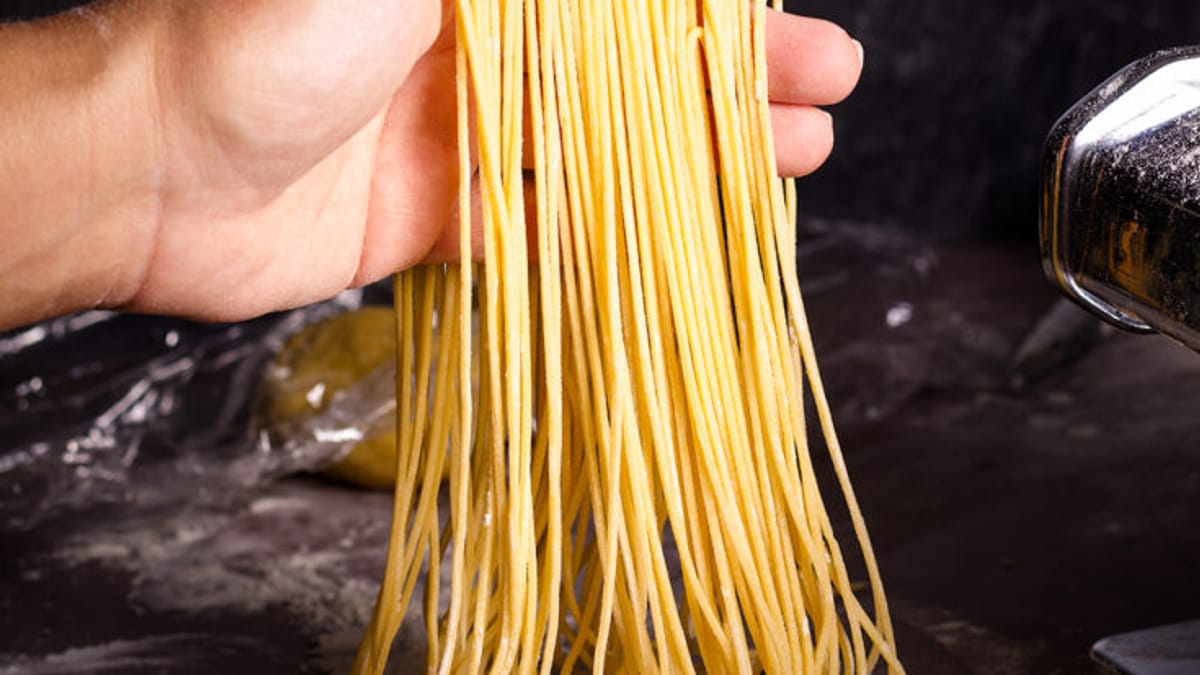
Now that we’ve rolled out the dough, it’s time to cut it into our chosen shape. For fettuccine, we can fold the sheet of pasta gently and use a sharp knife to cut it into strips. For tagliatelle, we’ll want to cut it a bit wider. If we’re feeling adventurous, we can try our hand at making ravioli or tortellini, which involve filling the pasta with delicious ingredients like ricotta, spinach, or even meat.
Once cut, we’ll want to dust the pasta with a bit of flour to keep the pieces from sticking together. We can hang the pasta on a drying rack or lay it flat on a floured surface.
Cooking Fresh Pasta
Cooking fresh pasta is a quick process. Because it’s made with fresh ingredients and is thinner than dried pasta, it typically only takes two to four minutes to cook. We’ll want to bring a large pot of salted water to a rolling boil—adding salt is crucial as it flavors the pasta while cooking.
Once the water is boiling, we’ll gently add our fresh pasta. We can stir it lightly to ensure it doesn’t stick together. As it cooks, we’ll keep an eye on it, tasting a piece after a couple of minutes to see if it’s done to our liking.
Saucing and Serving
Now comes the best part—saucing our fresh pasta! The beauty of fresh pasta is that it pairs beautifully with a variety of sauces. Whether we opt for a simple garlic and olive oil sauce, a hearty marinara, or a creamy Alfredo, the possibilities are endless.
We’ll want to reserve a bit of the pasta cooking water before draining, as this starchy water can help to loosen our sauce and help it cling to the pasta. After draining the pasta, we can toss it in our chosen sauce. The goal is to coat the pasta evenly without drowning it in sauce.
Experimenting with Flavors
Once we feel comfortable with the basic technique of making fresh pasta, we can start experimenting with different flavors and colors. For instance, we can incorporate spinach or beet puree into the dough to create vibrant green or pink pasta. Adding herbs or spices can also enhance the flavor profile, making our pasta dishes even more exciting.
Sharing the Experience
One of the best parts about making fresh pasta is sharing the experience with friends and family. Whether we gather around the kitchen table to roll out dough together or enjoy a beautiful meal at the end of the process, cooking brings people together. We can even make it a fun event by hosting a pasta-making night, where everyone can pitch in and create their own pasta shapes, followed by a delightful dinner.
Final Thoughts
Making fresh pasta at home is a delightful journey that celebrates the beauty of simple ingredients and the art of cooking. While it may take a little practice to perfect our technique, each batch will taste better than the last, and the satisfaction of creating something from scratch is truly fulfilling.
So, let’s embrace the process, enjoy the mess, and savor every delicious bite of our homemade pasta. With time and practice, we’ll not only improve our skills but also create cherished memories around the dining table. Let’s start this pasta adventure together and make every meal a celebration!