Liquid Gold from Garbage: How to Turn Meat Scraps into Ancient Roman Garum
If you’ve ever prepared a roast or a hearty stew, you might find yourself staring at a pile of meat scraps and bones, wondering what to do with them. In our modern cooking culture, it's easy to see those remnants as nothing more than garbage. However, what if we told you that these seemingly worthless scraps could be transformed into something remarkable? Enter garum, the ancient Roman condiment that is essentially liquid gold derived from fish and meat scraps. This age-old practice of fermentation not only reduces food waste but also opens up a world of flavor in our kitchens. Let’s explore how we can embrace this culinary tradition and create our very own garum at home.
The Fascinating History of Garum
Garum has a rich history dating back to ancient Rome, where it was a staple in Roman cuisine. Made primarily from fermented fish, garum was used as a seasoning much like we use soy sauce or Worcestershire sauce today. It was prized for its umami flavor and was seen as a delicacy. As the Romans expanded their empire, they spread the techniques of garum production across Europe, influencing the culinary practices of many cultures.
The beauty of garum lies in its versatility. While the Romans primarily used fish, the principle of turning scraps into something delicious can be applied to various types of meat. This historical context not only enriches our understanding of this condiment but also inspires us to reclaim our culinary heritage.
Understanding the Fermentation Process
At its core, fermentation is the process of breaking down organic substances through the action of microorganisms. In the case of garum, we’re harnessing the power of bacteria and enzymes to transform meat scraps into a flavorful liquid. This natural process not only enhances flavors but also preserves food, making it a perfect way to utilize scraps that might otherwise go to waste.
The primary components of garum are proteins and enzymes, which break down into amino acids and other compounds during fermentation. These compounds contribute to the rich, savory flavor profile that garum is known for. While the idea of fermentation may seem daunting, it's a straightforward process once you understand the basics.
Gathering Ingredients: What We Need
To make garum, we’ll need a few essential ingredients. First, let’s gather our meat scraps. These can come from any cut of meat, including beef, pork, or poultry. The key is to ensure that our scraps contain connective tissue and fat, as these contribute to the flavor and texture of the final product.
Next, we’ll need salt. Salt is a crucial component of the fermentation process as it helps to draw moisture out of the meat, creating an environment where beneficial bacteria can thrive while inhibiting harmful ones. The ideal ratio is generally a good amount of salt to ensure proper fermentation.
Lastly, while not strictly necessary, adding aromatics such as garlic, herbs, or spices can enhance the depth of flavor in our garum. Think of it as an opportunity to infuse your personal taste into this ancient recipe.
The Step-by-Step Process of Making Garum
Now that we have our ingredients ready, let’s dive into the step-by-step process of making garum. This is where the magic happens, and we can turn our kitchen scraps into a culinary treasure.
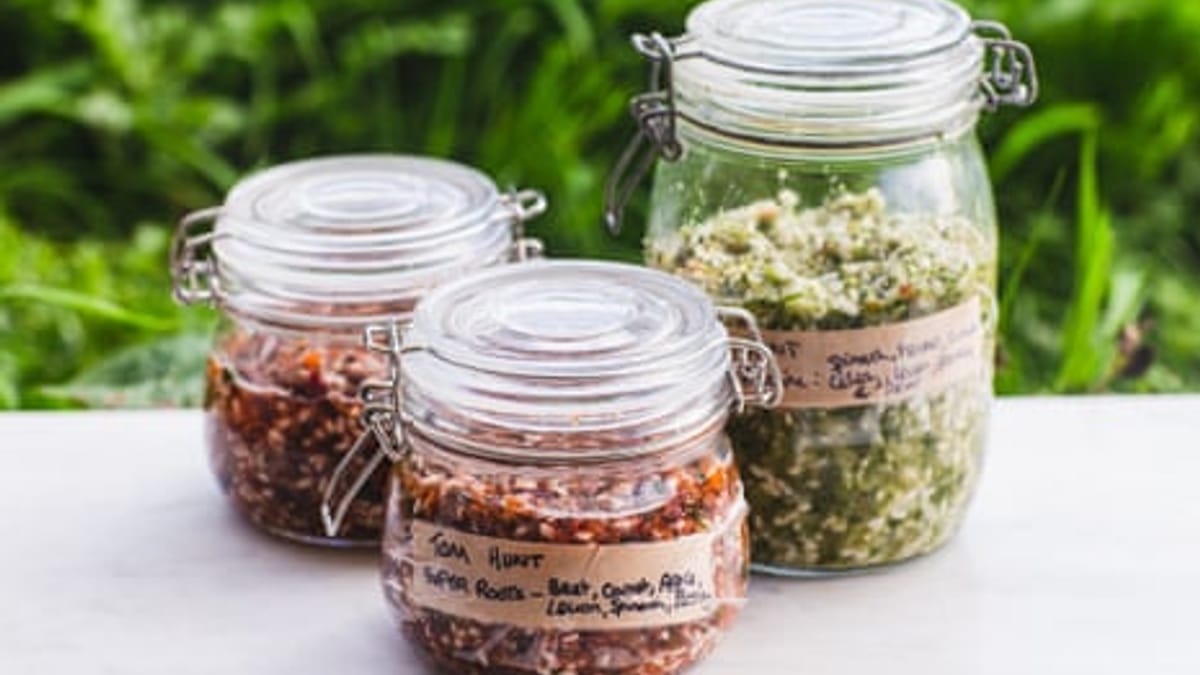
We begin by chopping our meat scraps into smaller pieces. This will help to increase the surface area, allowing for better fermentation. Next, we’ll place the chopped scraps into a clean glass jar or container. It’s important to use a container that can be sealed but still allows for some air exchange—think of a jar with a loose lid or a cheesecloth covering.
Once our scraps are in the jar, we generously sprinkle salt over them, ensuring every piece is coated. The salt will draw moisture from the meat, creating a brine that will facilitate fermentation. Depending on the amount of scraps, we want to make sure we have enough salt to create an environment that encourages the right kind of bacteria to thrive.
Next, we’ll add any additional flavorings we desire. Perhaps a few cloves of crushed garlic, a sprig of rosemary, or even a pinch of chili flakes for some heat. This is where we can get creative and tailor the garum to our specific tastes.
After everything is combined, we seal the jar loosely and place it in a cool, dark location. Now comes the waiting game. Fermentation can take anywhere from a few weeks to several months, depending on the temperature and our desired flavor profile. It’s important to check on our garum periodically, giving it a gentle shake to help distribute the salt and moisture.
The Art of Patience: Fermentation Time
During the fermentation process, we may notice bubbles forming and perhaps even a change in the aroma. These are good signs that the fermentation is happening! We should aim for a strong, savory smell without any off-putting odors. If we ever detect anything unusual, such as a foul smell or mold, it’s best to err on the side of caution and discard the batch.
Once fermentation is complete, we can strain the liquid through a fine mesh sieve or cheesecloth, separating the solids from the liquid. The resulting liquid is our garum, which can be stored in a clean, airtight container in the refrigerator. It’s important to note that garum can last for quite a long time due to its salty nature, but it’s always best to use our senses to determine its freshness.
How to Use Your Homemade Garum
Now that we have our homemade garum, the real fun begins! This liquid gold can be used in a multitude of ways to elevate our dishes. We can use it as a seasoning for meats, vegetables, or even pasta. A dash of garum can enhance the umami flavor in sauces, soups, and marinades, adding depth and complexity to our culinary creations.
Incorporating garum into our cooking doesn’t require extensive changes to our recipes. A few drops can be added to a stir-fry, drizzled over roasted vegetables, or mixed into salad dressings for an extra punch. We might find ourselves experimenting with different cuisines, as garum's flavor profile complements various culinary traditions.
Embracing Sustainability in Our Kitchens
The act of making garum from scraps is not just about creating a delicious condiment; it’s also a step towards embracing sustainability in our kitchens. In a world where food waste is a growing concern, we can take pride in transforming what would have been discarded into something flavorful and valuable.
By adopting this mindset, we can inspire others to think creatively about their cooking practices. Whether it’s making garum, stock from bones, or composting vegetable scraps, every effort counts. We can cultivate a deeper appreciation for food and its journey from our kitchens to our tables.
A Culinary Adventure Awaits
Making garum is not just a recipe; it’s an adventure that connects us to centuries of culinary history. As we embark on this journey, we embrace the art of fermentation, the joy of sustainability, and the thrill of creating something extraordinary from what might have been considered trash.
So, the next time we find ourselves with meat scraps, let’s remember the legacy of garum and the delicious possibilities that lie within those scraps. With a little patience and creativity, we can transform our kitchens into a space of innovation and flavor, honoring the culinary traditions of the past while making a positive impact on our present.
Let’s roll up our sleeves, gather our scraps, and get ready to create our own liquid gold. The journey from garbage to garum is one that promises to deepen our culinary skills and enrich our cooking experience. Who knew that something once tossed aside could become such a prized addition to our pantry? Happy fermenting!