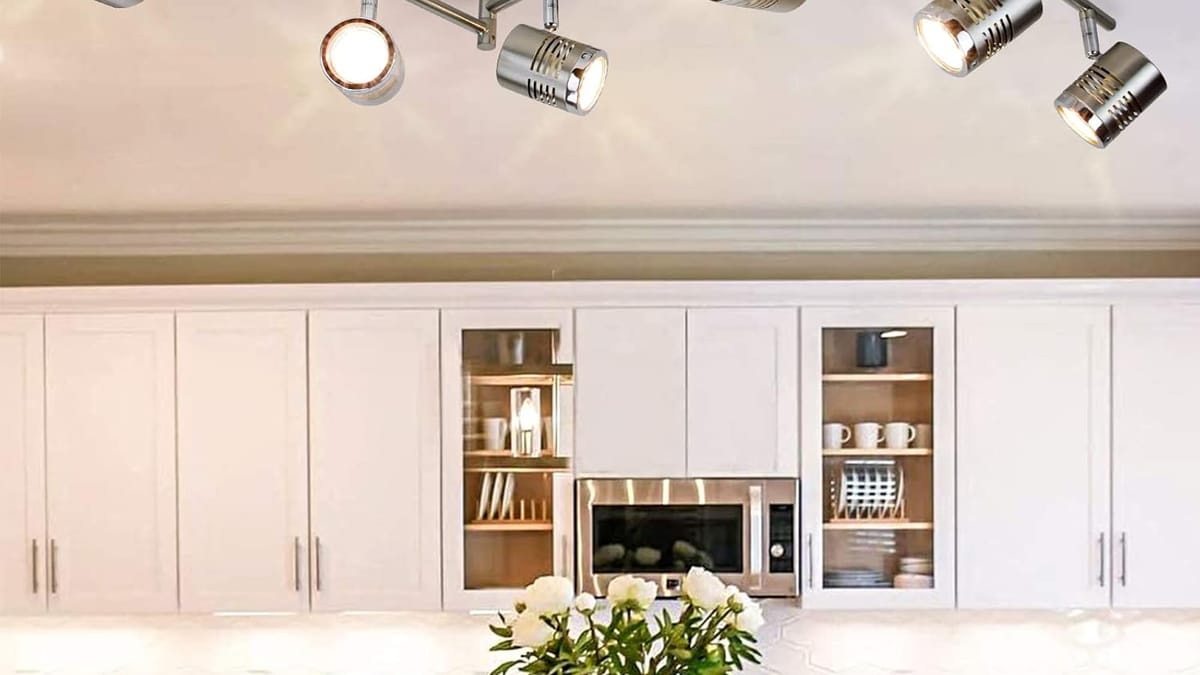
Kitchen Lighting Tips for Better Cooking Experiences
When we think about creating delicious meals, we often focus on the ingredients we use, the techniques we apply, and the recipes we follow. Yet, one critical element that can dramatically enhance our cooking experience is something we might overlook: lighting. The right kitchen lighting doesn’t just illuminate our workspace; it can transform our cooking environment, making it more enjoyable, efficient, and even safer. Let’s explore some practical tips for optimizing kitchen lighting that will elevate our culinary adventures.
Understanding the Basics of Kitchen Lighting
Before jumping into specific tips, it's important to understand the different types of kitchen lighting we can use. Broadly speaking, we can categorize kitchen lighting into three main types: ambient, task, and accent lighting.
Ambient lighting serves as the general illumination of the kitchen. It creates a warm and inviting atmosphere, making it easier for us to move around safely. Task lighting, on the other hand, focuses on specific areas where we perform tasks, such as cutting vegetables or reading a recipe. Finally, accent lighting adds a decorative touch, highlighting features like open shelving or artwork. Balancing these three types can create a cooking environment that is both functional and aesthetically pleasing.
Assessing Your Kitchen's Natural Light
Before we start adding new fixtures or changing bulbs, let’s take a moment to assess the natural light we have in our kitchen. Natural light can dramatically affect our cooking experience, so it’s worth considering how we can make the most of it.
Do we have large windows that let in sunlight? If so, we should think about how to maintain that brightness. Keeping windows clean and unobstructed allows maximum light to come in. If our kitchen feels dark, we might want to consider lighter window treatments that let in more light while still providing privacy.
For those of us with limited natural light, we can create the illusion of brightness by using reflective surfaces. Using glossy finishes on cabinets or incorporating mirrors can help bounce light around the room, making our space feel more open and airy.
Choosing the Right Bulbs
Once we’ve assessed our natural lighting, it’s time to think about artificial lighting. Choosing the right bulbs is crucial for creating the perfect cooking atmosphere. We often overlook the color temperature of bulbs, which can significantly impact our mood and our ability to focus.
Warm white bulbs (around 2700K to 3000K) provide a cozy and inviting atmosphere, perfect for a casual cooking experience. However, for more detailed tasks like chopping or measuring, we might find that cooler white bulbs (around 4000K) offer better visibility and clarity.
It’s also helpful to choose LED bulbs, as they are energy-efficient and long-lasting. While they may have a higher upfront cost, their longevity and energy savings make them a smart investment in the long run.
Layering Your Lighting
Now that we’ve chosen our bulbs, let’s talk about layering our lighting. A well-lit kitchen often combines ambient, task, and accent lighting to create a harmonious environment. We can achieve this by strategically placing different types of fixtures throughout the kitchen.
For ambient lighting, consider flush mounts or chandeliers that distribute light evenly across the entire space. Under-cabinet lighting can serve as an excellent task light, illuminating our countertops where we prepare our meals. Pendant lights above an island can provide focused task lighting while adding a stylish touch.
Don’t forget about accent lighting! Using LED strips to highlight shelves or artwork can create a warm ambiance and add a personal touch to our kitchen.
The Importance of Dimmer Switches
One often-overlooked feature that can enhance our cooking experience is the installation of dimmer switches. Dimmer switches allow us to adjust the brightness of our lights based on the time of day or the mood we want to create.
Imagine cooking dinner after a long day, the kitchen filled with bright, harsh light. With a dimmer switch, we can soften the ambiance, making it feel more relaxed and inviting. Conversely, if we’re tackling a challenging recipe that requires precision, we can crank up the brightness for better visibility. This flexibility can help us feel more comfortable and engaged while cooking.
Providing Adequate Task Lighting
We’ve all experienced the frustration of trying to chop vegetables in a poorly lit area. Task lighting is essential for ensuring we can see what we’re doing, reducing the risk of accidents, and making cooking more enjoyable.
Under-cabinet lights are a fantastic solution for providing illumination directly over countertops. LED strip lights or puck lights can be easily installed and provide excellent lighting for our food prep areas. If we have a kitchen island, pendant lights hanging above can serve as a stylish task light, illuminating our work surface while adding a touch of design flair.
Organizing Our Workspace for Optimal Lighting
Effective kitchen lighting goes hand in hand with an organized workspace. When we keep our kitchen tidy and everything in its place, we not only create a more pleasant cooking environment but also ensure that the light can reach all areas effectively.
It’s helpful to keep high-use items within easy reach and away from shaded areas. For example, we should store our cutting boards and knives near a well-lit section of the countertop. This way, when we’re ready to cook, we can easily access our tools in a well-lit space, allowing us to focus on preparing our meals.
Considering Safety in Our Lighting Choices
Safety is paramount in the kitchen, and our lighting choices can play a significant role in preventing accidents. Poorly lit areas can lead to mishaps, especially when we’re working with sharp knives or hot surfaces.
To enhance safety, we should ensure that all pathways in the kitchen are well-lit. If we have dark corners or transitions between different areas, consider adding motion-sensor lights or strategically placed fixtures to eliminate shadows.
Additionally, it’s wise to avoid placing lights directly above stovetops or other heat sources, as this can create hazards. Instead, opt for fixtures that provide illumination without the risk of overheating.
Keeping It Personal
As we enhance our kitchen lighting, let’s not forget to make it our own. The kitchen is often the heart of the home, and the lighting we choose should reflect our personal style and preferences.
Incorporating different styles of fixtures, such as vintage pendant lights or modern sconces, can add character to our space. We might also consider decorative light bulbs, such as Edison-style bulbs, that offer both function and visual appeal.
Emphasizing Sustainability
In today’s world, sustainability is more important than ever. When choosing our kitchen lighting, we can opt for energy-efficient solutions that not only save money on our utility bills but also reduce our environmental footprint.
LED bulbs are an excellent choice, but we can also look for eco-friendly fixtures made from sustainable materials. Taking small steps like choosing energy-efficient options can make a big difference in the long run.
Bringing It All Together
As we wrap up our exploration of kitchen lighting, it’s clear that the right lighting can significantly influence our cooking experience. By understanding the different types of lighting, assessing our natural light, choosing the right bulbs, and layering our lighting, we can create a kitchen that is both functional and inviting.
Let’s not forget the importance of safety, organization, and personal style in our lighting choices. The kitchen is a space where we express our creativity and passion for food, and the right lighting can enhance that experience.
So, whether we’re whipping up a quick weeknight dinner or preparing a feast for friends and family, let’s take a moment to appreciate the light that guides our culinary journey. With these tips in mind, we can transform our kitchens into a well-lit haven where cooking becomes a joyful adventure. Happy cooking!