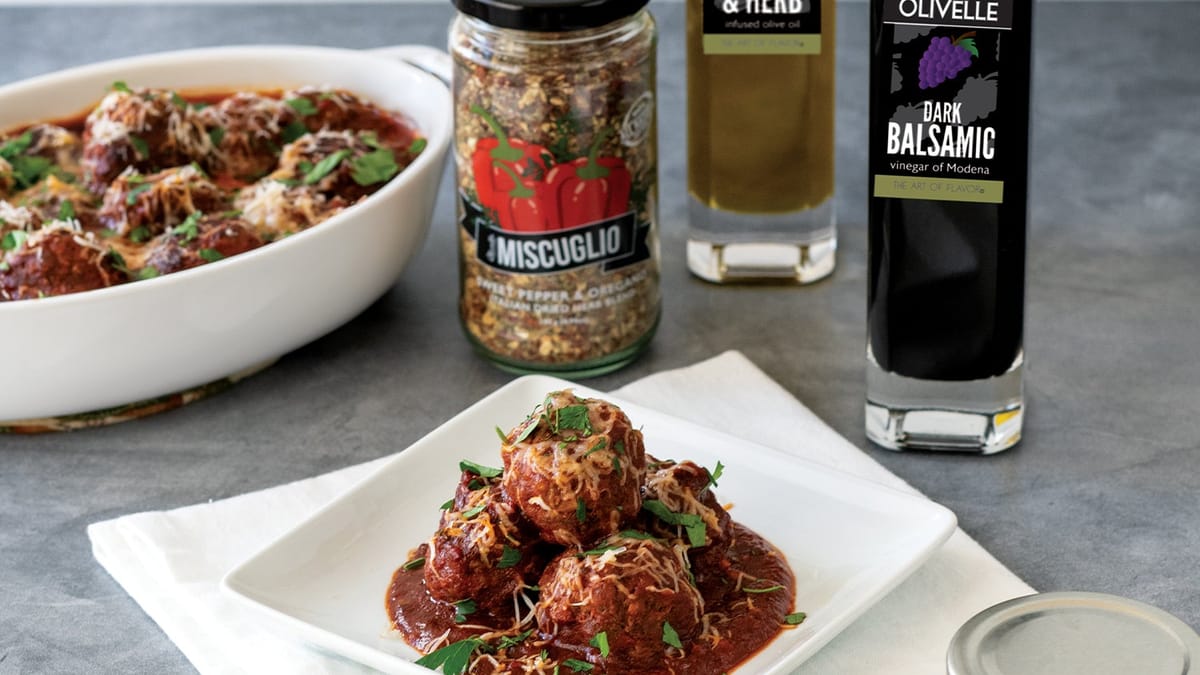
Infusing Flavors into Oils and Vinegars at Home
There’s something magical about the way food can be transformed with just a hint of flavor. At the heart of this transformation are two kitchen staples: oils and vinegars. By infusing these ingredients with herbs, spices, fruits, and even vegetables, we can elevate our everyday dishes into something truly special. Whether you're drizzling a fragrant herb-infused oil over a salad, or adding a splash of zesty citrus vinegar to a marinade, the possibilities are practically endless. So, let’s explore how we can infuse flavors into oils and vinegars right at home, and turn our culinary creations into vibrant experiences.
Understanding the Basics of Infusion
Infusion is the process of extracting flavors from one ingredient and transferring them to another. In our case, we’re taking the essence of herbs, spices, or fruits and infusing them into oils or vinegars. This creates a delightful depth of flavor that can enhance everything from dressings to marinades, or even serve as a standalone condiment.
When we infuse oils or vinegars, we’re not just creating a new flavor; we’re also enhancing the experience of our meals. The aroma, taste, and even the visual appeal of a dish can be uplifted with a simple drizzle or splash of our homemade infused oil or vinegar.
Choosing the Right Ingredients
The beauty of infusing oils and vinegars lies in the ingredients we choose. Fresh herbs, dried spices, fruits, and even garlic can all play a role in this flavor transformation. Here are a few popular options we might consider:
- • Herbs: Basil, rosemary, thyme, and oregano are all fantastic choices for oils. For vinegars, consider dill or tarragon.
- • Fruits: Citrus peels, berries, or even stone fruits can add a refreshing zing.
- • Spices: Whole spices like peppercorns, coriander seeds, or star anise can bring warmth and depth.
- • Garlic and Onions: These aromatic ingredients can add layers of flavor but should be used with caution to avoid overpowering the infusion.
Preparing Our Oils and Vinegars for Infusion
Before we jump into the infusion process, we need to prepare our oils and vinegars properly. For oils, we should ensure they’re at room temperature and in a clean, dry jar or bottle. This helps the infusion process by allowing the flavors to blend more thoroughly. If you're using whole spices or dried herbs, a quick toast in a dry skillet can help release their essential oils, enhancing their flavor.
For vinegars, we can use the same approach, but it's also beneficial to warm them slightly. Gentle heating can help extract flavors more effectively, but we need to be careful not to boil them. Just warming to a low temperature will do the trick.
The Infusion Process: Step-by-Step
Now that we have our ingredients ready, let’s dive into the infusion process. It’s simpler than it sounds, and the results are worth the minimal effort.
First, we should choose our base. If we’re making a herb-infused oil, we might opt for olive oil, while for vinegar, a good quality white wine vinegar can be an excellent choice. Once we have our base, we can chop or crush our flavoring ingredients to help release their oils and essences. For herbs, a rough chop works well; for fruits, we might want to slice or muddle them.
Next, we’re ready to combine everything in a clean jar. It’s essential to leave some space at the top, as this allows the flavors to meld without overflowing. Once combined, we should seal the jar tightly and give it a gentle shake to mix everything together.
Now comes the waiting game. For oils, we typically need to let the infusion sit for one to two weeks, while vinegars can take about three to four days. During this period, we should store our jars in a cool, dark place, shaking them gently every day to help the flavors disperse.
Straining and Storing
After our infusion has reached the desired flavor intensity, it’s time to strain out the solids. Using a fine mesh strainer or cheesecloth, we can pour the mixture into another clean jar or bottle, discarding the solids. This step not only helps clarify our oil or vinegar but also ensures a clean, smooth finish.
Storage is crucial for maintaining the quality of our infused oils and vinegars. We should always keep them in dark glass bottles if possible, as light can degrade the flavor and quality over time. A cool, dark cupboard is the best spot for our creations, away from heat sources.
Flavor Pairing Ideas
Once we start infusing, we might find ourselves experimenting with a variety of flavor combinations. Here are a few ideas to inspire our creativity:
For oils, we could consider:
- • Lemon and Thyme Olive Oil: Perfect for drizzling over grilled vegetables or seafood.
- • Garlic and Rosemary Olive Oil: A wonderful accompaniment for bread or as a base for marinades.
- • Chili and Lime Oil: Adds a spicy kick to tacos or roasted meats.
- • Raspberry Balsamic Vinegar: A delightful addition to salads, particularly with goat cheese.
- • Cilantro Lime Vinegar: Great for salsas or as a marinade for chicken.
- • Apple and Cinnamon Vinegar: A lovely choice for autumn-inspired dishes and desserts.
Safety Considerations
While infusing oils and vinegars is generally safe, there are a few things we should keep in mind. For oils, it’s important to avoid using fresh garlic or herbs without proper handling. Fresh ingredients can harbor botulinum spores, which can lead to foodborne illness if not stored correctly. To minimize this risk, we can use dried herbs or ensure that any fresh ingredients are thoroughly dried before infusion.
Vinegars, on the other hand, are generally quite safe, but we should always use clean utensils and containers to prevent contamination.
Using Our Infused Oils and Vinegars
Now that we’ve made our own infused oils and vinegars, how do we incorporate them into our cooking? The options are virtually limitless!
We can use infused oils as finishing drizzles on salads, pastas, or grilled meats. They can also serve as a flavorful base for marinades or dressings. Infused vinegars can be used in salad dressings or as a tangy addition to sauces and dips.
Beyond cooking, our infused creations can also enhance our culinary presentations. Imagine a beautiful salad drizzled with vibrant herb oil or a stunning cheese plate paired with a fruity vinegar. Not only do they taste great, but they also add an artistic flair to our dishes.
Sharing the Love
Infused oils and vinegars also make fantastic gifts. We can bottle them up in decorative jars, label them with unique names, and even include a recipe suggestion for the lucky recipient. It’s a thoughtful way to share our love of cooking and inspire others to explore their culinary creativity.
Embracing Creativity in the Kitchen
As we experiment with infusing oils and vinegars, we can embrace the creative process. There’s no right or wrong way to do this; every infusion is a reflection of our tastes and preferences. Perhaps we’ll stumble upon a flavor combination that surprises us. Maybe we’ll find a new favorite way to enhance our meals.
So, whether we’re infusing a classic herb oil or a zesty fruit vinegar, let’s enjoy the journey. Cooking is about exploration, and infusing flavors into oils and vinegars is just one way we can make our culinary experiences even more delightful. Let’s gather our ingredients, roll up our sleeves, and infuse some magic into our kitchens!