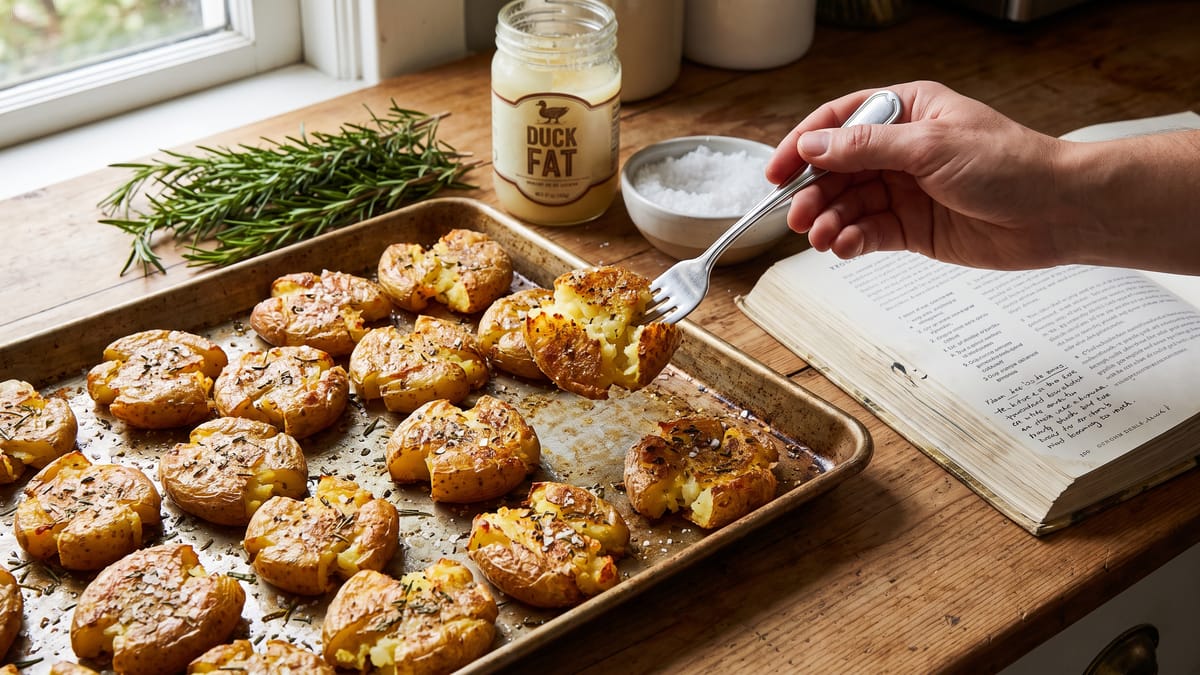
I Tried the Viral Crispy Potato Trick and Now I Make Potatoes This Way Every Time
We've all been there, scrolling through our feeds, eyes glazing over at yet another "revolutionary" kitchen hack promising to transform our culinary lives. Often, these viral sensations turn out to be more hype than substance, leaving us with a lingering sense of disappointment and a slightly messier kitchen. So, when the "crispy potato trick" started dominating our screens, we approached it with a healthy dose of skepticism. Our culinary journey has been a long and winding one, filled with countless experiments, triumphs, and the occasional, albeit rare, kitchen disaster. We've roasted, fried, boiled, and mashed potatoes in nearly every conceivable way, each method yielding its own unique texture and flavor profile. Yet, the elusive, perfectly crispy potato, one that boasts a shatteringly crisp exterior while maintaining a fluffy, almost creamy interior, has always felt like the holy grail. We yearned for that golden-brown perfection, a potato that sings with each bite, a symphony of textures that elevates the humble spud to an art form. This quest for potato perfection has been a consistent thread throughout our cooking endeavors, a delicious challenge we've always been eager to tackle.
The Genesis of Our Potato Obsession
Our love affair with potatoes began, as it does for many, in childhood. Sunday roasts, laden with glistening, golden-brown potatoes, were a weekly ritual, a comforting anchor in the ebb and flow of life. However, even in those cherished memories, the potatoes, while undeniably delicious, rarely achieved that transcendent crispness we now actively pursue. They were good, certainly, but they weren't extraordinary. As we delved deeper into the world of gastronomy, we encountered various schools of thought on potato preparation. Some championed par-boiling, others advocated for specific oil temperatures, and a few even suggested intricate layering techniques. We absorbed these lessons like sponges, eager to unlock the secrets of the perfect potato. We experimented with different potato varieties, from the floury Russets to the waxy Yukon Golds, understanding that each type possessed its own unique characteristics that would influence the final texture. We learned about the importance of starch content, how it affects the way potatoes crisp and how they absorb flavor. This empirical approach, combined with a healthy curiosity, became the bedrock of our potato mastery.
The Viral Sensation: What Was the Buzz About?
The viral crispy potato trick, as we observed it unfolding across various platforms, seemed deceptively simple. It involved a few key steps that, on the surface, didn't appear radically different from methods we had already tried. However, the sheer volume of enthusiastic testimonials, the almost evangelical fervor with which people were declaring this the "only way" to make potatoes, piqued our interest. The core tenets of the trick seemed to revolve around a specific combination of boiling, roughing up the edges, and then roasting at a high temperature. There was also a recurring emphasis on the type of fat used, with many proponents swearing by duck fat or goose fat for an unparalleled crispness. We noted the recurring visual evidence, the perfectly craggy, golden-brown potatoes that looked almost too good to be true. It was this consistent visual appeal, coupled with the fervent endorsements, that finally convinced us to set aside our skepticism and give it a genuine, unbiased try. We reasoned that even if it didn't live up to the hype, it would at least be another data point in our ongoing potato research.
Our First Foray: A Step-by-Step Account
Our initial attempt at replicating the viral crispy potato trick was approached with a meticulous attention to detail. We chose a robust, floury potato variety, as these tend to break down more easily, creating those coveted craggy edges.
The Preparation Phase
First, we peeled and chopped our potatoes into roughly equal-sized pieces, aiming for uniformity to ensure even cooking. This step is crucial, as irregularly sized pieces will cook at different rates, leading to some being overcooked and others undercooked. We then placed the chopped potatoes into a large pot and covered them with cold water, ensuring there was ample room for them to boil freely. A generous pinch of salt was added to the water, not just for seasoning, but also to help draw out moisture and contribute to the overall flavor. We brought the water to a rolling boil and then reduced the heat, allowing the potatoes to simmer gently until they were just tender enough to be pierced with a fork, but not so soft that they were falling apart. This par-boiling stage is critical, as it starts the cooking process and helps to soften the interior of the potato while keeping it intact.
The "Roughing Up" Technique
Here's where the viral trick truly began to diverge from our usual methods. Once the potatoes were par-boiled, we carefully drained them in a colander. The next step involved a gentle but firm shaking of the colander. This wasn't a violent thrashing, but rather a rhythmic agitation designed to "rough up" the surfaces of the potatoes. The goal was to create a multitude of tiny, feathery edges, almost like microscopic shards, that would crisp up beautifully in the oven. This process, while seemingly simple, is key to achieving that distinctive texture. We observed how the once smooth surfaces of the potatoes transformed, developing a slightly fuzzy, almost spiky appearance. It was a subtle but noticeable change, and we could already envision the potential for crispness.
The Roasting Ritual
With the potatoes sufficiently roughed up, we transferred them to a baking sheet. This is where the choice of fat comes into play. Many of the viral videos championed duck fat or goose fat, and while we appreciate their flavor, we opted for a high-quality olive oil, as it's a more accessible option for most home cooks. We drizzled a generous amount of olive oil over the potatoes, ensuring each piece was lightly coated. A sprinkle of salt and freshly ground black pepper completed the seasoning. The baking sheet was then placed into a preheated oven at a relatively high temperature, around 400°F (200°C). The high heat is essential for achieving that deep golden-brown color and shatteringly crisp exterior. We allowed the potatoes to roast undisturbed for about 20 minutes, then flipped them and continued roasting until they were gloriously golden and incredibly crispy. The aroma wafting from the oven was intoxicating, a promising prelude to the deliciousness that awaited us.
The Revelation: What Made It Different?
The moment of truth arrived, and we were not disappointed. The potatoes emerged from the oven, a testament to the power of this viral method. They were, without exaggeration, the crispiest potatoes we had ever made. The exterior was a symphony of textures, a mosaic of golden-brown shards that crackled with each bite. The interior, however, remained wonderfully fluffy and tender, a delightful contrast to the outer crunch.
The Science Behind the Success
So, what exactly made this trick so effective? We believe it's a harmonious combination of several factors:
The Par-boiling Advantage
Par-boiling the potatoes before roasting serves a crucial purpose. It starts the cooking process, softening the starch within the potato. This pre-cooking means that by the time the potatoes hit the high heat of the oven, their interiors are already well on their way to being tender, allowing the oven's energy to focus primarily on crisping the exterior. It's a clever way to achieve both desired textures simultaneously.
The Magic of "Roughing Up"
This, in our estimation, is the true game-changer. By gently agitating the par-boiled potatoes, we create a larger surface area for crisping. The feathery edges and microscopic cracks act like tiny sponges, absorbing the fat and becoming incredibly brittle and crunchy when exposed to high heat. It’s akin to creating a natural, highly textured coating that transforms into pure crispness. Without this step, the potatoes would still be good, but they wouldn't achieve that extraordinary, almost ethereal crispness.
The High Heat and Fat Factor
Roasting at a high temperature, coupled with a generous amount of fat, is non-negotiable for achieving optimal crispness. The high heat promotes the Maillard reaction, the chemical process responsible for browning and developing complex flavors. The fat, whether it's olive oil, duck fat, or another high-smoke-point oil, acts as a heat conductor, helping to transfer heat efficiently to the potato surfaces and contributing to the overall crispness. It also provides a rich, satisfying mouthfeel.
Our Ongoing Experimentation: Refining the Technique
While our first attempt was a resounding success, our culinary curiosity compelled us to continue experimenting, seeking to refine and personalize this already exceptional method. We believe that true mastery lies in understanding the nuances and adapting techniques to suit individual preferences.
The Potato Variety Conundrum
We've found that floury varieties, like Russets or Maris Pipers, excel with this method due to their higher starch content, which contributes to those desirable craggy edges. However, waxy potatoes, like new potatoes or Yukon Golds, can also be used, though they may require a bit more vigorous shaking to achieve the same level of surface disruption. The key is to understand the inherent characteristics of each potato type and adjust your approach accordingly.
The Art of Seasoning
Beyond salt and pepper, we've explored a plethora of seasoning options. A sprinkle of garlic powder, onion powder, or smoked paprika can add layers of flavor. Fresh rosemary or thyme, added during the last 10-15 minutes of roasting, infuses the potatoes with an aromatic herbaceousness. For a touch of heat, a pinch of cayenne pepper or chili flakes can elevate the experience. The beauty of this technique is its versatility, allowing for endless customization.
The Fat Debate: Olive Oil vs. Duck Fat
While duck fat and goose fat undeniably impart a rich, savory flavor and exceptional crispness, we've found that good quality olive oil yields fantastic results and is a more readily available option. For those seeking a vegetarian alternative, avocado oil or even a neutral-flavored vegetable oil can work well, though they may not contribute the same depth of flavor as animal fats. The most important aspect is to use enough fat to adequately coat the potatoes and facilitate browning.
The Pan Predicament: Don't Crowd the Tray
One crucial tip we've learned through trial and error is to avoid crowding the baking sheet. Potatoes need space to breathe and crisp up. If they are too close together, they will steam instead of roast, resulting in a less-than-crispy outcome. If you're making a large batch, it's always better to use two baking sheets rather than cramming them all onto one. This seemingly small detail can make a significant difference in the final product.
The Oven Temperature Tweak
While 400°F (200°C) is a great starting point, we've found that some ovens run hotter or colder. It's always a good idea to know your oven and adjust the temperature accordingly. For an even crispier result, some cooks advocate for starting at a slightly lower temperature and then increasing it towards the end, or even finishing under the broiler for a minute or two, though this requires careful monitoring to prevent burning.
Why This Method Has Become Our Go-To
The transformation has been complete. We now approach potato preparation with an entirely new perspective. This viral crispy potato trick isn't just a fleeting trend, it's a fundamental shift in our culinary philosophy regarding potatoes.
Unparalleled Texture
The primary reason this method reigns supreme is the unparalleled texture it consistently delivers. The combination of the shatteringly crisp exterior and the fluffy interior is simply unmatched by any other method we've tried. It's a textural delight that elevates every meal.
Versatility Personified
These crispy potatoes are incredibly versatile. They make an exceptional side dish for nearly any main course, from a simple roasted chicken to a more elaborate steak dinner. They can be transformed into a delicious breakfast component, served alongside eggs and bacon. We've even enjoyed them as a standalone snack, perhaps with a dipping sauce. Their robust flavor and satisfying texture make them a welcome addition to countless culinary scenarios.
Simplicity and Repeatability
Despite the seemingly involved steps, the process is remarkably straightforward and repeatable. Once you've done it a few times, it becomes second nature. The consistency of the results is a huge draw, as we can confidently expect perfectly crispy potatoes every single time. This reliability is a major factor in its adoption as our default method.
The Joy of a Perfect Potato
There's an undeniable joy in creating something truly delicious, something that brings a smile to the faces of those you share it with. These crispy potatoes consistently elicit that joy. They are a testament to the fact that sometimes, the simplest ingredients, when treated with care and a touch of ingenuity, can yield the most extraordinary results. It's a reminder that even in the vast landscape of culinary techniques, there's always something new and wonderful to discover.
To Wrap Things Up
Our journey with the viral crispy potato trick has been an enlightening one. What began as a skeptical experiment has blossomed into a cherished culinary technique, one that has permanently altered our approach to potato preparation. We encourage you, our fellow home cooks, to embrace this method with an open mind and a hungry spirit. The results, we assure you, will be nothing short of revelatory. So, the next time you're contemplating how to prepare your potatoes, remember the lessons learned from this viral sensation. Embrace the par-boil, revel in the roughing up, and unleash the power of high heat. Your taste buds, and your dinner guests, will thank you for it. Happy cooking.