I Tried Replacing Ultra-Processed Snacks With Whole Foods—Here’s What I Learned
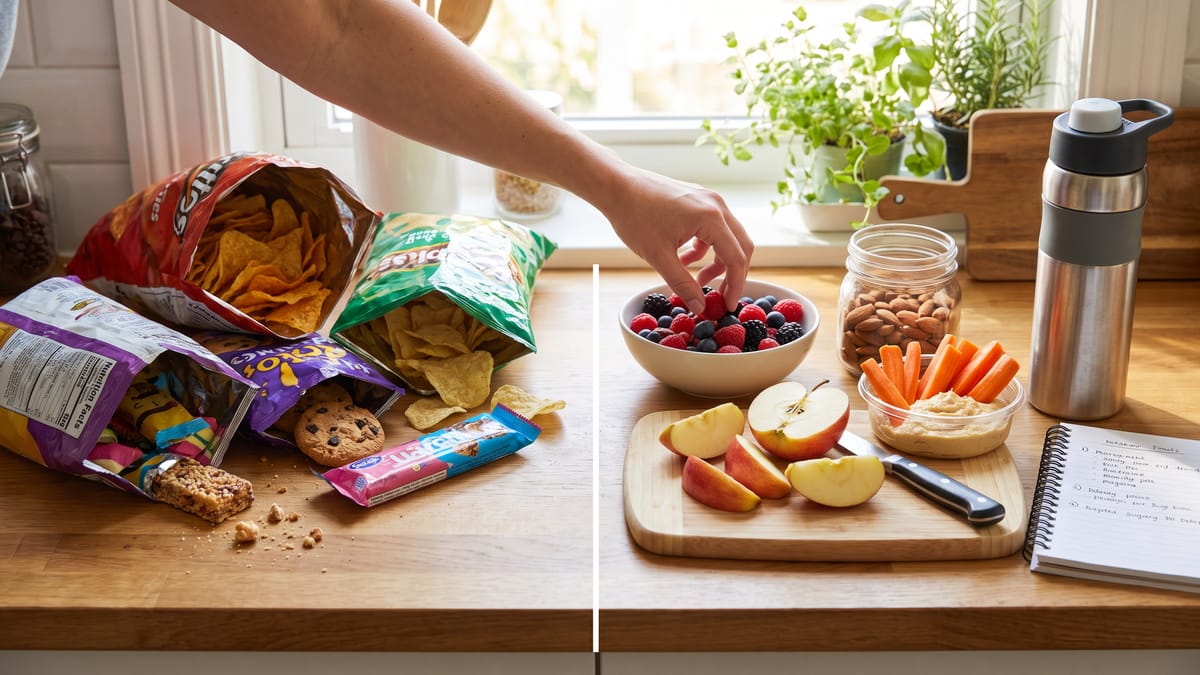
We've all been there, standing in the pantry, eyes glazing over the colorful array of snacks, each promising a fleeting moment of sugary bliss or salty satisfaction. For years, our snack drawer was a veritable monument to convenience: brightly packaged cookies, meticulously engineered crackers, and an assortment of chips that whispered sweet nothings of artificial flavor. We were, by all accounts, habitual consumers of ultra-processed snacks. The allure was undeniable: instant gratification, minimal effort, and a comforting familiarity that felt like a culinary security blanket. But beneath the veneer of ease, a quiet unease began to stir. We noticed the energy dips, the occasional digestive grumbles, and a pervasive feeling of not quite being nourished, even after consuming a significant quantity of "food." It was a nagging suspicion that these convenient bites were doing more to fill a void than to truly fuel our bodies. This realization sparked a challenge, a culinary experiment born from curiosity and a desire for something more substantial: we decided to replace our beloved ultra-processed snacks with whole foods. What began as a simple dietary swap evolved into a profound journey of rediscovery, a re-education of our palates, and a testament to the transformative power of real, unadulterated ingredients. We invite you to join us as we recount the highs, the lows, and the unexpected delights of this whole-food snacking odyssey.
The Initial Shock: A Pantry Purge and Paradigm Shift
The first step, as with any grand culinary undertaking, was a thorough pantry purge. This wasn't merely a matter of tidying; it was an act of deliberate eviction. We systematically removed every package, every bag, and every box that bore the telltale signs of ultra-processing: lengthy ingredient lists filled with unpronounceable chemicals, high fructose corn syrup lurking in myriad forms, and a general air of artificiality. The sheer volume of what we discarded was startling, a tangible representation of our previous snacking habits. This initial act was more than just physical; it was a psychological shift. We were actively choosing to disconnect from a pervasive food culture that prioritizes convenience over nourishment.
The immediate aftermath was, to be frank, a bit disorienting. Our snack drawer, once a cornucopia of readily available treats, now stood starkly empty. The familiar crinkle of a chip bag was replaced by an unnerving silence. This void, however, wasn't meant to last. It was an invitation, a blank canvas upon which we would paint a new snacking landscape. The paradigm shift was underway: from passive consumption of pre-made items to active creation and mindful selection of whole, unprocessed ingredients. This meant a complete re-evaluation of what constituted a "snack" in our minds. No longer would it be a quick fix derived from a factory, but rather a deliberate choice rooted in nature's bounty.
Redefining "Snack": From Empty Calories to Nutrient Powerhouses
One of the most profound lessons we gleaned from this experiment was the radical redefinition of what a "snack" truly entails. Previously, our snacks were often synonymous with empty calories: quick bursts of energy followed by inevitable crashes. They were designed to be palatable, addictive, and easily consumable, often at the expense of nutritional value. With the pivot to whole foods, our understanding of snacking underwent a complete metamorphosis.
We began to view snacks not as mere distractions or cravings satisfiers, but as mini-meals, opportunities to infuse our bodies with vital nutrients. This meant embracing a diverse array of ingredients. Fresh fruits, bursting with natural sugars and fiber, became our go-to for sweet cravings. Think crisp apples, juicy berries, and succulent oranges. Vegetables, often overlooked in the snack department, emerged as unsung heroes. Carrot sticks, cucumber slices, and bell pepper strips, paired with homemade hummus or a simple vinaigrette, offered a satisfying crunch and a wealth of vitamins.
Nuts and seeds, once relegated to baking or occasional trail mixes, became indispensable. Almonds, walnuts, cashews, pumpkin seeds, and sunflower seeds provided healthy fats, protein, and sustained energy. We discovered the joy of making our own nut butter, a surprisingly simple process that yields a far superior product to its store-bought counterparts, often laden with added sugars and oils. Hard-boiled eggs, a humble yet mighty snack, provided a protein punch that kept hunger at bay for hours. Greek yogurt, plain and unsweetened, became a versatile base for fruit, a sprinkle of granola, or a drizzle of honey.
The Art of Preparation: More Than Just Grabbing and Going
Perhaps the most significant hurdle we encountered, and ultimately overcame, was the perceived time commitment involved in preparing whole-food snacks. The allure of ultra-processed snacks lies precisely in their "grab and go" nature. Transitioning to whole foods demanded a shift in our approach to food preparation. It required a degree of foresight, planning, and a willingness to invest a little time upfront for significant returns later.
We quickly learned the invaluable practice of "snack prepping." This involved dedicating a small portion of our weekend to washing and chopping vegetables, portioning out nuts and seeds, and preparing homemade dips. For instance, we would roast a large batch of sweet potato wedges, which could then be enjoyed cold or reheated throughout the week. We'd boil a dozen eggs, peel them, and store them in an airtight container for easy access. Making a big batch of hummus on a Sunday meant we had a healthy, protein-rich dip ready for a variety of vegetables for days.
This proactive approach transformed snack time from a frantic search for something edible into a deliberate and enjoyable experience. We also embraced simplicity. Not every snack needed to be an elaborate creation. A handful of almonds, a piece of fruit, or a few rice cakes with avocado were perfectly acceptable and often just what we needed. The key was to have these readily available, making the healthy choice the easy choice. We found that having a designated "snack zone" in the refrigerator, stocked with prepped items, significantly reduced the temptation to revert to old habits.
Unmasking the Deception: The Palate's Awakening
One of the most astonishing revelations of this experiment was the profound transformation of our palates. For years, our taste buds had been accustomed to the intense, often hyper-palatable flavors of ultra-processed foods: the exaggerated sweetness, the amplified saltiness, the intricate dance of artificial enhancers designed to keep us coming back for more. These foods are engineered for maximum sensory appeal, often overwhelming the more subtle nuances of natural ingredients.
When we removed these highly stimulating flavors from our diet, an interesting phenomenon occurred. Initially, whole foods tasted, dare we say, a little bland. A plain apple, while refreshing, lacked the sugary punch of a fruit-flavored gummy. A handful of unsalted nuts seemed almost austere compared to a seasoned potato chip. This initial "flavor shock" was a testament to how desensitized our taste buds had become.
However, with consistent exposure to whole foods, a remarkable reawakening began. The subtle sweetness of a ripe banana became exquisitely satisfying. The earthy notes of roasted vegetables, once overlooked, now sang with complexity. The natural saltiness of certain cheeses or the delicate bitterness of dark leafy greens became genuinely enjoyable. Our palates, once dulled by artificiality, began to appreciate the inherent flavors of real food. We discovered that natural sweetness, when not competing with refined sugars, is incredibly potent and satisfying. We learned to savor the nuanced textures and aromas that ultra-processed foods simply cannot replicate. This re-education of our taste buds was perhaps the most enduring and delightful outcome of our journey. It was like upgrading from a monochromatic view of food to a vibrant, full-color spectrum.
The Unexpected Side Effects: Beyond Just Snacking
The impact of this dietary shift extended far beyond the confines of our snack drawer. We noticed a cascade of positive changes that permeated various aspects of our daily lives. One of the most immediate and welcome improvements was a significant increase in sustained energy. Gone were the dramatic sugar highs and subsequent crashes that often characterized our afternoons. Instead, we experienced a more consistent, even keel energy level throughout the day, allowing us to focus better and feel more productive.
Digestive health, a topic often politely ignored, also saw remarkable improvement. The fiber-rich nature of whole foods, from fruits and vegetables to nuts and seeds, promoted regularity and a general feeling of lightness. The bloating and discomfort that sometimes accompanied our ultra-processed snack binges became a distant memory. This wasn't merely about physical comfort; it contributed to an overall sense of well-being.
Perhaps most surprisingly, our relationship with food itself underwent a profound transformation. We became more mindful eaters, paying closer attention to hunger cues and satiety signals. The act of eating transformed from a passive, often rushed activity into a more deliberate and enjoyable experience. We found ourselves appreciating the textures, aromas, and flavors of our food in a way we hadn't before. This heightened awareness fostered a sense of gratitude for the nourishment we were providing our bodies. The "food noise," that constant mental chatter about what to eat next, significantly diminished. We felt more in tune with our bodies' actual needs, rather than being driven by artificial cravings.
Navigating the Social Landscape and Occasional Slip-Ups
No dietary journey is without its challenges, and ours was no exception. Navigating social situations, where ultra-processed snacks often reign supreme, required a bit of strategic planning. Attending parties or gatherings sometimes meant bringing our own healthy options or making conscious choices from what was available. We learned to politely decline offers of highly processed treats without feeling deprived or judgmental. This wasn't about being rigid, but about making choices that aligned with our newfound commitment to whole foods.
We also experienced occasional slip-ups. There were moments of weakness, instances where the siren song of a particularly appealing bag of chips or a tempting cookie proved too strong to resist. And that was perfectly okay. We learned that perfection is an unrealistic and ultimately unsustainable goal. The key was to acknowledge the momentary indulgence without dwelling on guilt, and then gently steer ourselves back towards our chosen path. These occasional deviations actually served as valuable reminders of how far we had come and how much better we felt when adhering to our whole-food principles. It reinforced the idea that this was a sustainable lifestyle change, not a restrictive diet.
Practical Tips for Your Own Whole-Food Snacking Journey
For those inspired to embark on their own whole-food snacking adventure, we offer a few practical tips gleaned from our experience:
- • Start Small, Be Consistent: Don't overhaul your entire pantry overnight. Begin by replacing one or two of your most frequent ultra-processed snacks with whole-food alternatives. Consistency, even in small steps, builds momentum.
- • Embrace Batch Prepping: Dedicate a short amount of time each week to washing, chopping, and portioning out fruits, vegetables, nuts, and seeds. This makes healthy snacking effortless during busy weekdays.
- • Keep it Visible and Accessible: Store your healthy snacks in clear containers in your refrigerator or on your countertop. Out of sight, out of mind often applies to healthy eating.
- • Experiment with Flavors: Don't be afraid to get creative. Try different spice blends on roasted chickpeas, make your own fruit leathers, or experiment with various homemade dips.
- • Hydrate, Hydrate, Hydrate: Sometimes, what feels like hunger is actually thirst. Keep a water bottle handy and sip throughout the day.
- • Listen to Your Body: Pay attention to genuine hunger cues versus emotional eating or boredom. Whole foods help us become more attuned to our bodies' true needs.
- • Don't Fear the "Mundane": A simple apple or a handful of almonds might not seem glamorous, but their nutritional power and sustained energy benefits are undeniable.
- • Educate Yourself: Learn to read food labels. Understand what ingredients to look for and what to avoid. The more informed you are, the better choices you can make.
- • Involve Your Family: If you live with others, encourage them to join you. Making healthy snacking a family affair can provide support and make the transition easier for everyone.
- • Be Patient and Kind to Yourself: Dietary changes take time and effort. There will be days when it feels challenging. Celebrate your successes, learn from your slip-ups, and remember that every step towards healthier eating is a victory.
Putting It All Together
Our journey from ultra-processed snack enthusiasts to whole-food champions has been an enlightening and profoundly rewarding experience. We set out to simply replace a category of food, but what we gained was a deeper understanding of nourishment, a recalibrated palate, and a renewed sense of vitality. The initial discomfort of letting go of convenience was quickly overshadowed by the myriad benefits: sustained energy, improved digestion, and a more harmonious relationship with food. We discovered that true satisfaction doesn't come from a perfectly engineered flavor profile in a shiny package, but from the inherent goodness of ingredients provided by nature. This isn't about deprivation; it's about abundance. It's about choosing vibrant, life-giving foods that truly fuel our bodies and uplift our spirits. We wholeheartedly encourage you to take the leap, to explore the world of whole-food snacking, and to experience the transformative power of real food for yourselves. Your body, and your taste buds, will thank you.