I Stopped Boiling My Potatoes This Way and the Difference Was Huge
I remember a time, not so long ago, when our approach to boiling potatoes was, shall we say, rather rudimentary. We’d grab a bag of spuds, peel them, chop them into roughly uniform pieces, toss them into a pot of cold water, add a pinch of salt, and bring them to a roiling boil until they were fork-tender. It was the standard operating procedure, the culinary bedrock for countless mashed potato feasts, potato salads, and hearty stews. We thought we were doing it right, following the tried-and-true methods passed down through generations. And for years, we were content with the results. Our mashed potatoes were fluffy enough, our potato salads palatable, and our stews comforting. But then, a revelation struck, a quiet whisper in the culinary winds that fundamentally altered our potato paradigm. We stopped boiling our potatoes the conventional way, and let us tell you, the difference was truly monumental. It was like upgrading from a black-and-white television to a vibrant 4K display; the essence was the same, but the clarity, the texture, and the sheer enjoyment were on an entirely different plane.
The Unseen Pitfalls of Traditional Boiling
Before we delve into our newfound enlightenment, let's dissect why the old method, while seemingly innocuous, often fell short of potato perfection. The primary culprit, we discovered, lies in the very nature of water and starch. Potatoes are starch powerhouses, and when submerged in cold water and slowly brought to a boil, several things happen that aren't entirely conducive to optimal texture and flavor.
First, the outer layers of the potato tend to cook faster than the interior. This often leads to an uneven texture, where the exterior is mushy and waterlogged while the core remains slightly firm, or even chalky. We've all experienced those frustrating moments when mashing, encountering stubborn lumps that refuse to yield to our efforts. This uneven cooking is a direct consequence of the temperature gradient within the pot. As the water heats up, the surface of the potato is exposed to higher temperatures for a longer duration, causing its starch cells to swell and burst prematurely compared to the interior.
Secondly, and perhaps more subtly, traditional boiling can leach out some of the potato's inherent flavor. Water is a solvent, and as the potatoes simmer, some of their delicate earthy notes and essential minerals can migrate into the cooking liquid. While this might not be a deal-breaker for heavily seasoned dishes, it certainly diminishes the potato's natural deliciousness, leaving you with a blander canvas that requires more aggressive seasoning later on. Think of it as diluting a perfectly good cup of coffee; it's still coffee, but it lacks the depth and intensity you crave.
Finally, and this is particularly relevant for dishes where a firm, yet tender, potato is desired, such as potato salad or roasted potatoes, the traditional boiling method often results in a somewhat crumbly or overly soft texture. The constant agitation of boiling water, combined with the extended cooking time, can break down the cell walls more than necessary, leading to potatoes that struggle to hold their shape. This is why our potato salads sometimes had a tendency to become a bit mealy, rather than showcasing distinct, perfectly cooked potato pieces.
The Dawn of a New Era: Our Game-Changing Technique
So, what was this revolutionary technique that transformed our potato game? It wasn't some arcane culinary secret or a complex scientific formula. It was, in essence, a more thoughtful and deliberate approach to cooking, focusing on understanding the potato's nature and respecting its delicate structure. Our epiphany came from a simple realization: potatoes, like many vegetables, benefit from a gentler, more controlled cooking environment.
The core of our new method involves steaming the potatoes rather than boiling them directly in water. Now, before you dismiss this as just another fancy kitchen trend, hear us out. Steaming offers a multitude of advantages that directly address the pitfalls of traditional boiling, leading to potatoes that are consistently tender, flavorful, and perfectly textured.
Why Steaming is the Superior Spud Strategy
Let's break down the science and the sensory experience behind why steaming has become our preferred potato preparation method.
Controlled Cooking Environment
When you steam potatoes, they are cooked by the gentle, moist heat of steam, not by direct contact with boiling water. This creates a much more even and controlled cooking environment. The steam envelops the potatoes uniformly, ensuring that the exterior and interior cook at a similar rate. This eliminates the problem of mushy outsides and hard centers, resulting in potatoes that are tender all the way through, with a consistently pleasant texture. Imagine a perfectly baked cake, evenly cooked from edge to center; that's the kind of consistency we're aiming for.
Preserving Flavor and Nutrients
One of the most significant benefits of steaming is its ability to preserve the potato's natural flavor and nutrients. Since the potatoes aren't submerged in water, there's no leaching of water-soluble vitamins, minerals, or delicate flavor compounds into the cooking liquid. This means you're left with potatoes that taste more intensely like potatoes, with their inherent earthiness and sweetness beautifully intact. We often find ourselves needing less salt and fewer additional seasonings when using steamed potatoes, simply because their natural flavor shines through so much more brightly. It’s a subtle but profound difference, elevating the potato from a mere vehicle for other flavors to a star in its own right.
Superior Texture for Every Application
The texture achieved through steaming is, in our opinion, unparalleled. For mashed potatoes, steamed spuds become incredibly fluffy and light, almost ethereal, without any of that dreaded waterlogged density. The starch cells expand beautifully and evenly, yielding a smooth, creamy consistency that practically melts in your mouth. For potato salads or dishes where you want the potatoes to hold their shape, steaming provides a firm yet tender bite. The cell walls remain intact enough to prevent crumbling, but the potatoes are still yielding and delicious. This versatility makes steaming an all-around winner in our kitchen.
Practical Steps to Steaming Perfection
Now that we've extolled the virtues of steaming, let's walk through the simple, actionable steps to achieve potato perfection in your own kitchen. It requires minimal special equipment, and the technique is incredibly straightforward.
Choosing the Right Potatoes
While steaming works wonderfully for almost all potato varieties, we find that starchy potatoes like Russets or Yukon Golds are particularly excellent for mashing, yielding an incredibly fluffy result. For potato salads or dishes requiring a firmer texture, waxy potatoes like red bliss or new potatoes are fantastic, as they hold their shape beautifully after steaming. Experiment with different varieties to discover your personal favorites for various applications.
Preparation is Key
Start by washing your potatoes thoroughly. We recommend peeling them if you're making mashed potatoes or a very smooth puree. For potato salads or roasted potatoes, leaving the skin on can add a lovely rustic texture and additional nutrients. Cut the potatoes into roughly uniform pieces. The size will depend on the dish and your desired cooking time, but aim for pieces that are approximately 1 to 1.5 inches for most applications. Uniformity is crucial for even cooking, so take a moment to ensure your pieces are relatively consistent.
The Steaming Setup
You don't need a fancy steamer basket to get started. A simple metal colander or a dedicated steamer insert that fits inside a pot with a tight-fitting lid will work perfectly.
Here's the basic setup:
Fill a large pot with about an inch or two of water. Ensure the water level is below the bottom of your steamer basket or colander, so the potatoes aren't submerged. Place your prepared potatoes in the steamer basket. Don't overcrowd the basket; leave a little space for the steam to circulate freely around the potatoes. If you have a large batch, steam in batches. Place the steamer basket over the pot of water and cover tightly with the lid.
The Steaming Process
Bring the water to a rolling boil over medium-high heat. Once the water is boiling and steam is actively rising, reduce the heat to medium-low or medium, just enough to maintain a steady simmer and consistent steam production. You want a gentle but continuous flow of steam.
The cooking time will vary depending on the size and type of potatoes. For 1-inch pieces, it usually takes anywhere from 15 to 25 minutes. To check for doneness, carefully remove the lid and pierce a potato piece with a fork or a sharp knife. It should slide in easily with little to no resistance. If there's any firmness, continue steaming for a few more minutes and check again. Resist the urge to constantly lift the lid, as this releases steam and prolongs the cooking time.
Once the potatoes are perfectly tender, carefully remove the steamer basket from the pot. We often let them sit in the steamer basket for a minute or two to allow any excess moisture to evaporate, especially if we're making mashed potatoes. This extra step helps prevent a watery mash.
Beyond Boiling: Other Applications of Steamed Potatoes
While we initially adopted steaming for our mashed potatoes, we quickly realized its versatility extends far beyond that.
Fluffy Mashed Potatoes
For mashed potatoes, after steaming, immediately transfer the hot potatoes to a large bowl. Add your preferred fats, such as butter, cream, or milk, and mash them using a potato masher or a ricer. The key here is to mash them while they are still hot, as this allows the fats to emulsify beautifully and creates a wonderfully creamy texture. Season generously with salt and pepper.
Perfect Potato Salad
For potato salad, allow the steamed potatoes to cool slightly before dressing them. Their firm yet tender texture makes them ideal for holding their shape and absorbing the dressing without becoming mushy. We find that a warm potato salad, dressed while the potatoes are still slightly warm, allows the flavors to meld beautifully.
Crispy Roasted Potatoes
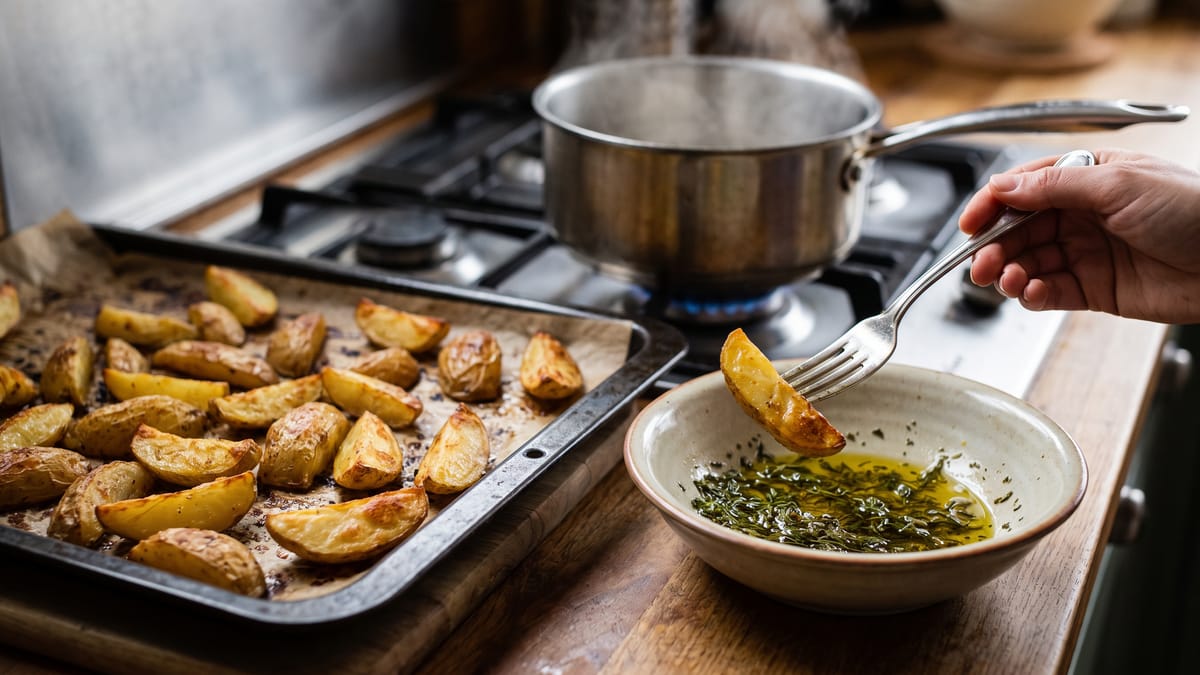
Steamed potatoes are also an excellent starting point for roasted potatoes. After steaming, let them cool and dry completely. You can even refrigerate them overnight. The steaming process par-cooks them evenly, and allowing them to dry out helps create that coveted crispy exterior when roasted. Toss them with olive oil, herbs, and spices, then roast at a high temperature until golden brown and irresistibly crispy. The internal texture will be wonderfully fluffy, a stark contrast to the crunchy exterior.
Gnocchi and Other Doughs
For homemade gnocchi, steaming is the absolute best way to cook potatoes. It ensures they are perfectly cooked and dry, which is critical for a light and tender gnocchi dough that isn't gummy. Waterlogged potatoes are the bane of gnocchi makers, and steaming elegantly sidesteps this issue.
The Ripple Effect: A Culinary Awakening
Embracing this simple shift in how we prepare our potatoes had a ripple effect throughout our cooking. It made us question other long-held assumptions and encouraged us to experiment more, always seeking out methods that prioritize flavor, texture, and the inherent qualities of the ingredients. It taught us that sometimes, the most profound improvements come from subtle adjustments and a deeper understanding of the food we're working with.
We often joke that our kitchen became a "pre-steamed potato" and "post-steamed potato" era. The difference in the final dishes was so pronounced that it's now an automatic choice for us. The extra few minutes it might take to set up a steamer are more than compensated for by the superior results.
Putting it All Together
In a nutshell, abandoning the traditional boiling method for potatoes and embracing the gentle power of steam has been a culinary revelation for us. It’s a technique that’s simple to implement, requires no specialized skills, and yields consistently superior results. From the fluffy perfection of mashed potatoes to the firm tenderness required for salads and the ideal base for crispy roasted spuds, steaming elevates the humble potato to new gastronomic heights. We encourage you to try it, to experience the subtle yet significant difference for yourselves. You might just find, as we did, that a small change in technique can lead to a huge improvement in your cooking, transforming your everyday meals into something truly extraordinary. Happy steaming, fellow food enthusiasts!