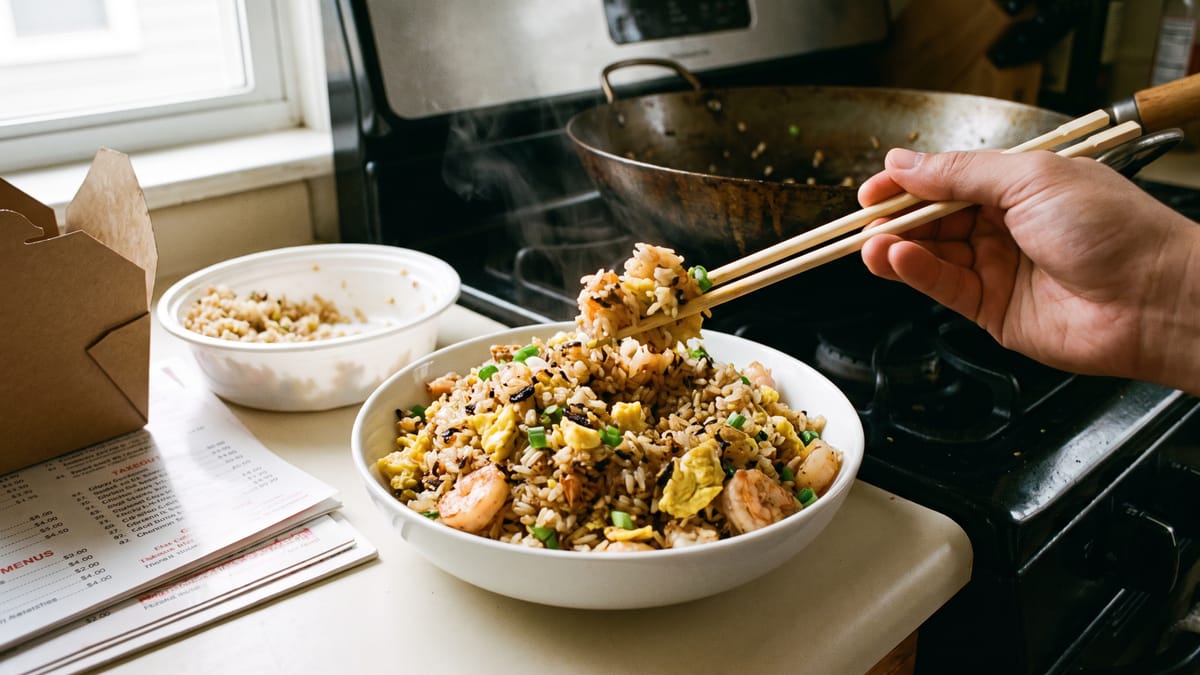
I Made Restaurant-Style Fried Rice With Leftover Rice and It Was Better Than Takeout
We've all been there. A busy weeknight, the fridge is looking a little sparse, and the siren song of takeout fried rice starts to whisper in our ears. It's quick, it's comforting, and it usually hits the spot. But what if we told you that the secret to truly exceptional, restaurant-quality fried rice isn't some closely guarded chef's technique or exotic ingredient, but rather something you likely already have lurking in your refrigerator: leftover rice? That's right, we recently embarked on a culinary adventure, transforming humble day-old rice into a fried rice masterpiece that honestly, and we say this with full confidence, surpassed our favorite takeout joint. This wasn't just a meal; it was a revelation, a testament to the power of simple ingredients and a few clever techniques. Join us as we unravel the secrets to creating fried rice so good, you'll be actively hoping for rice leftovers.
The Unsung Hero: Day-Old Rice
Let's get this out of the way first: fresh, hot, steamy rice is the enemy of good fried rice. We know, it sounds counterintuitive. We've been conditioned to believe that fresh is always best, but in the realm of fried rice, staleness is a virtue. The reason is simple science. Freshly cooked rice has a high moisture content. When you try to fry it, all that moisture turns to steam, making your rice clumpy, mushy, and frankly, unappetizing. It sticks to the pan, it refuses to separate, and you end up with a gloopy mess instead of those distinct, perfectly coated grains we all crave.
Day-old rice, on the other hand, has had time to dry out. The individual grains become firmer, less sticky, and more amenable to absorbing the flavors of your wok or skillet. This allows them to achieve that beautiful, slightly chewy texture with a hint of crispness that is the hallmark of truly great fried rice. So, the next time you cook a batch of rice, resist the urge to devour it all immediately. Instead, cool it completely, spread it out on a tray if you're in a hurry to let it air out, and then store it in an airtight container in the refrigerator for at least 12 hours, preferably 24. This simple step is perhaps the most crucial foundation for our culinary triumph.
Building the Flavor Base: The Aromatics
Every great dish starts with a solid foundation of flavor, and fried rice is no exception. For us, the holy trinity of aromatics consists of garlic, ginger, and scallions. These ingredients don't just add a pleasant aroma; they infuse the entire dish with a depth and complexity that elevates it beyond mere stir-fried rice.
We like to mince our garlic finely, almost to a paste, to ensure its potent flavor is evenly distributed. Fresh ginger, grated or finely minced, adds a zesty, slightly pungent kick that brightens the whole dish. And scallions, with their delicate oniony notes, provide a fresh, vibrant counterpoint. We typically separate the white and light green parts from the darker green tops. The whites and light greens go in at the beginning with the garlic and ginger, releasing their robust flavors into the oil. The darker green tops are reserved for a final flourish, adding a pop of color and a fresh, milder onion flavor right before serving. This layering of aromatics ensures a multi-dimensional flavor profile that keeps each bite interesting.
The Protein Powerhouse: What to Choose
While fried rice can certainly be a delicious vegetarian affair, we often find ourselves drawn to including a protein. The beauty of homemade fried rice is its adaptability. You can use almost any leftover cooked protein you have on hand, making it an excellent way to reduce food waste.
Our personal favorites include diced chicken breast or thigh, thinly sliced pork, shrimp, or even scrambled eggs. For this particular culinary endeavor, we opted for a combination of diced chicken and scrambled egg, creating a satisfying textural contrast. If you're using raw protein, ensure it's cut into small, bite-sized pieces so it cooks quickly and evenly. We recommend cooking your protein separately before adding it to the rice. This prevents overcrowding the pan, which can lead to steaming rather than searing, and ensures your protein is perfectly cooked without overcooking the other ingredients. For the eggs, a quick scramble in a lightly oiled pan, breaking them into small pieces, is all it takes. The key is to get a nice sear on your protein, developing those delicious browned bits that add another layer of flavor to the dish.
The Vegetable Medley: Color, Crunch, and Nutrients
Beyond the aromatics, vegetables are essential for adding color, texture, and a healthy dose of nutrients to our fried rice. Again, this is where your creativity can truly shine. Think of your refrigerator as a treasure trove of possibilities.
We often reach for classic fried rice vegetables like frozen peas and carrots, which are convenient and cook quickly. However, don't limit yourself. Diced bell peppers, thinly sliced mushrooms, corn kernels, green beans, or even finely chopped broccoli florets can all find a happy home in your fried rice. The trick is to cut your vegetables into uniform, small pieces so they cook evenly and integrate well with the rice. We like to add harder vegetables, like carrots, first, giving them a head start, before introducing quicker-cooking options like peas or bell peppers. The goal is to achieve tender-crisp vegetables, not mushy ones, so a quick stir-fry over high heat is paramount.
The Sauce: The Secret to Umami Depth
While the individual components are important, it's the sauce that truly brings everything together, coating each grain of rice and every morsel of protein and vegetable with a symphony of umami-rich flavor. Our go-to fried rice sauce is a simple yet potent concoction.
We typically combine soy sauce, a touch of oyster sauce for that unmistakable savory depth, a dash of sesame oil for its nutty aroma, and a pinch of sugar to balance the saltiness and encourage caramelization. Sometimes, we'll add a tiny splash of rice vinegar for a hint of acidity, which brightens the overall profile. The key here is to mix your sauce ingredients in a small bowl before you start cooking. This way, when it's time to add the sauce, you can pour it in quickly and evenly, ensuring every component gets coated without overcooking anything. Resist the urge to just splash individual ingredients into the wok; a pre-mixed sauce guarantees consistency and prevents any one flavor from dominating.
The Wok Hei Factor: Mastering the Heat
This is where we truly elevate our homemade fried rice from good to extraordinary. "Wok hei," literally translated as "breath of the wok," refers to the complex, smoky, slightly charred flavor that is characteristic of expertly cooked stir-fries. Achieving true wok hei at home can be challenging without a commercial-grade burner, but we can certainly get close with a few strategic moves.
The most important factor is heat. You need your wok or large skillet to be screaming hot. We're talking about preheating it over high heat until it's almost smoking before adding any oil. Once the oil goes in, it should shimmer immediately. This high heat is crucial for quickly searing the ingredients, preventing them from steaming, and creating those desirable browned bits that contribute so much flavor. Don't overcrowd the pan. Cooking in batches, if necessary, is far better than cramming everything in and lowering the temperature. We also advocate for using a metal spatula or wok tool to constantly move and toss the ingredients. This ensures even cooking and prevents anything from burning while encouraging that beautiful caramelization.
The Step-by-Step Symphony: Our Cooking Process
With all our ingredients prepped and our understanding of the fundamental principles in place, let's walk through the actual cooking process that led to our takeout-beating fried rice.
First, we ensure our day-old rice is completely broken up. If it's clumped together, gently separate the grains with your hands or a fork. This is crucial for even cooking.
Next, we heat our wok over high heat until it's visibly hot. We then add a tablespoon or two of a neutral oil, like canola or grapeseed. Once the oil is shimmering, we add our diced chicken. We let it sear undisturbed for a minute or two to develop a nice crust before stirring and cooking until it's almost done. We then remove the chicken from the wok and set it aside.
Into the same hot wok, we add a little more oil if needed, then toss in our minced garlic, ginger, and the white and light green parts of our scallions. We stir-fry these aromatics for about 30 seconds until fragrant, being careful not to burn the garlic.
Next, we add our harder vegetables, like diced carrots, and stir-fry for a couple of minutes until they start to soften slightly. Then come the quicker-cooking vegetables, like peas or bell peppers. We continue to stir-fry for another minute or two, aiming for tender-crisp.
Now for the star of the show: the rice. We add the prepared day-old rice to the wok, spreading it out as much as possible. We let it sit for a moment to get a little sear before vigorously stirring and tossing. This is where the magic happens. We continue to stir-fry the rice, breaking up any remaining clumps and ensuring each grain gets exposed to the hot surface of the wok. This process usually takes about 3-5 minutes, until the rice is heated through and starts to develop a slightly toasted aroma.
At this point, we push the rice and vegetables to one side of the wok, creating a small clearing. We add a tiny bit more oil if needed and then pour in our pre-scrambled egg. We quickly scramble it in the clearing, breaking it into small pieces, before incorporating it into the rest of the rice mixture.
Finally, we return our cooked chicken to the wok. We give everything a good toss to combine. Then, we pour our pre-mixed sauce evenly over the entire mixture. We stir-fry vigorously for another minute or two, ensuring every grain of rice and every ingredient is thoroughly coated in the savory sauce. The sauce should sizzle and thicken slightly, creating a beautiful glaze.
Just before serving, we stir in the reserved green parts of the scallions. A final taste test allows us to adjust seasonings if necessary, perhaps a touch more soy sauce or a sprinkle of white pepper.
Beyond the Basics: Elevating Your Fried Rice Game
Once you've mastered the fundamentals, there are countless ways to customize and elevate your fried rice.
Consider adding a pinch of white pepper, a classic addition that provides a subtle, earthy heat. A few drops of chili oil at the end can add a welcome kick for those who enjoy a bit of spice. For an extra layer of umami, a teaspoon of fermented black beans, finely chopped, can be a game-changer. Don't be afraid to experiment with different proteins and vegetables based on what you have on hand or what seasonal produce is available. We've had fantastic results with diced smoked tofu, thinly sliced shiitake mushrooms, and even kimchi for a Korean-inspired twist. The beauty of fried rice lies in its versatility and its ability to transform humble leftovers into something truly spectacular.
At the End of the Day
Our journey to creating restaurant-style fried rice with humble leftover grains was more than just a successful cooking experiment; it was a powerful reminder of the culinary alchemy that can happen in our own kitchens. It underscored the importance of understanding the science behind our ingredients, embracing simple techniques, and not being afraid to trust our instincts. The resulting fried rice, with its perfectly separated grains, deeply savory flavor, and satisfying textures, was a testament to the fact that sometimes, the best meals are born from the most unassuming beginnings. So, the next time you find yourself with a container of day-old rice, resist the urge to discard it or simply reheat it. Instead, gather your aromatics, chop your vegetables, prepare your protein, and embark on your own fried rice adventure. We promise you, the reward of a homemade dish that rivals, if not surpasses, your favorite takeout will be well worth the effort. Happy cooking.