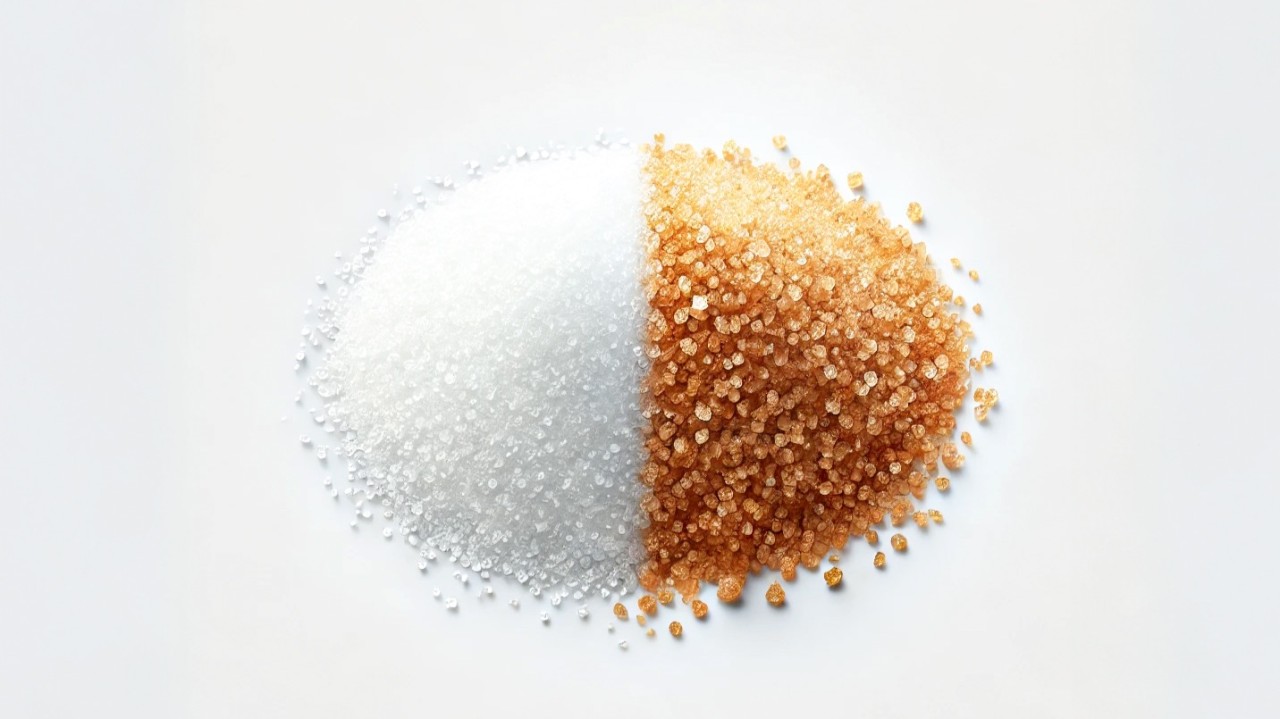
How to Use Sugar for More Than Just Sweetness
How to Use Sugar for More Than Just Sweetness
Sugar is often relegated to the role of a mere sweetener in our kitchens, but its utility extends far beyond just adding sweetness to our foods. From enhancing flavors to acting as a preservative and even playing a role in baking chemistry, sugar can do wonders in a variety of culinary applications. In this post, we’ll explore the multifaceted uses of sugar, offering practical tips and techniques to elevate your cooking game.
The Basics of Sugar
Before diving into the myriad ways to use sugar, let’s first understand the different types of sugar and their properties.
Common Types of Sugar
| Type | Flavor Profile | Common Uses |
|---|---|---|
| Granulated Sugar | Sweet | Baking, sweetening beverages |
| Brown Sugar | Caramel-like | Baking, marinades, sauces |
| Powdered Sugar | Sweet | Frosting, dusting desserts |
| Honey | Floral, sweet | Sauces, glazes, dressings |
| Maple Syrup | Earthy, sweet | Pancakes, glazes, baking |
Beyond Sweetness: Flavor Enhancement
One of the most powerful uses of sugar is its ability to enhance other flavors. Here are some practical ways to employ sugar in your cooking:
1. Balancing Acidity
Adding a pinch of sugar can effectively balance out the acidity in dishes, particularly in sauces, dressings, and soups.
Tip: When making a tomato sauce or vinaigrette, add sugar gradually, tasting as you go. This will help you find the perfect balance without overpowering the dish.
2. Enhancing Savory Dishes
Sugar isn’t just for desserts! It can also enhance the flavors of savory dishes.
Technique:
- • When cooking vegetables, sprinkle a bit of sugar while sautéing. This caramelizes the natural sugars in the vegetables, creating a deeper flavor.
- • Try adding a small amount of brown sugar to your chili or barbecue sauce for a more complex flavor profile.
Preservation Power
Sugar acts as a natural preservative, and this property can be harnessed in various ways:
3. Making Jams and Jellies
The high sugar content in jams and jellies not only adds sweetness but also helps inhibit the growth of bacteria and molds.
Basic Jam Recipe:
- 1. Ingredients:
- 2. Instructions:
4. Preserving Fruits
Sugar can also be used in preserving whole fruits or making fruit preserves.
Method:
- • Sugar Syrup: Make a simple syrup by dissolving sugar in water, then pour it over fruits in jars to keep them fresh longer.
Baking Chemistry
In baking, sugar plays a crucial role beyond sweetness, affecting texture, moisture, and color.
5. Creating Texture
Sugar contributes to the structure of baked goods. It helps create a light and airy texture in cakes and cookies.
Tip: When creaming butter and sugar, aim for a light and fluffy consistency. This process incorporates air, which will help your baked goods rise.
6. Controlling Moisture
Sugar helps retain moisture in cakes and muffins.
Advice: When making a cake, consider using a combination of granulated and brown sugar for added moisture and flavor complexity.
Cooking Techniques with Sugar
There are several cooking techniques that utilize sugar in intriguing ways:
7. Caramelization
Caramelization is the process of cooking sugar until it melts and turns golden brown, adding a rich, complex flavor.
How to Caramelize Sugar:
- 1. Heat granulated sugar in a saucepan over medium heat.
- 2. Stir continuously until it melts and turns golden.
- 3. Use immediately as a sauce or to coat fruits.
8. Sugar in Marinades
Sugar can be a key ingredient in marinades, helping to tenderize meat and enhance flavor.
Marinade Recipe:
- • 1/4 cup soy sauce
- • 2 tablespoons brown sugar
- • 2 cloves garlic, minced
- • 1 tablespoon ginger, grated
Creative Uses of Sugar
Let’s explore some innovative and fun ways to incorporate sugar into your cooking:
9. Flavoring Beverages
Sugar can be used to make flavored syrups for cocktails, coffee, or even lemonade.
Simple Syrup Recipe:
- 1. Combine equal parts sugar and water in a saucepan.
- 2. Heat until the sugar dissolves.
- 3. Add herbs or spices (like mint or cinnamon) for added flavor.
10. Sugar for Garnishing
Sugar can be used to create beautiful garnishes for desserts.
Technique:
- • Candied Citrus Peels: Boil citrus peels in sugar water, then dry them for a sweet and decorative touch to pastries and cakes.
Sugar and Health Considerations
While sugar has many culinary benefits, it’s essential to be mindful of its consumption.
11. Reducing Sugar
If you’re looking to reduce sugar intake, consider these alternatives:
- • Use natural sweeteners like honey or stevia.
- • Experiment with spices like cinnamon or vanilla extract to add sweetness without sugar.
Conclusion
Sugar is a versatile ingredient that can enhance flavors, preserve foods, and transform your culinary creations. By understanding the different uses of sugar beyond sweetness, you can elevate your cooking skills and explore new flavor profiles in your dishes. From balancing acidity in savory sauces to creating delightful desserts, sugar can be your secret weapon in the kitchen.
So, the next time you reach for that jar of sugar, remember that it has the potential to do so much more than simply sweeten. Happy cooking!